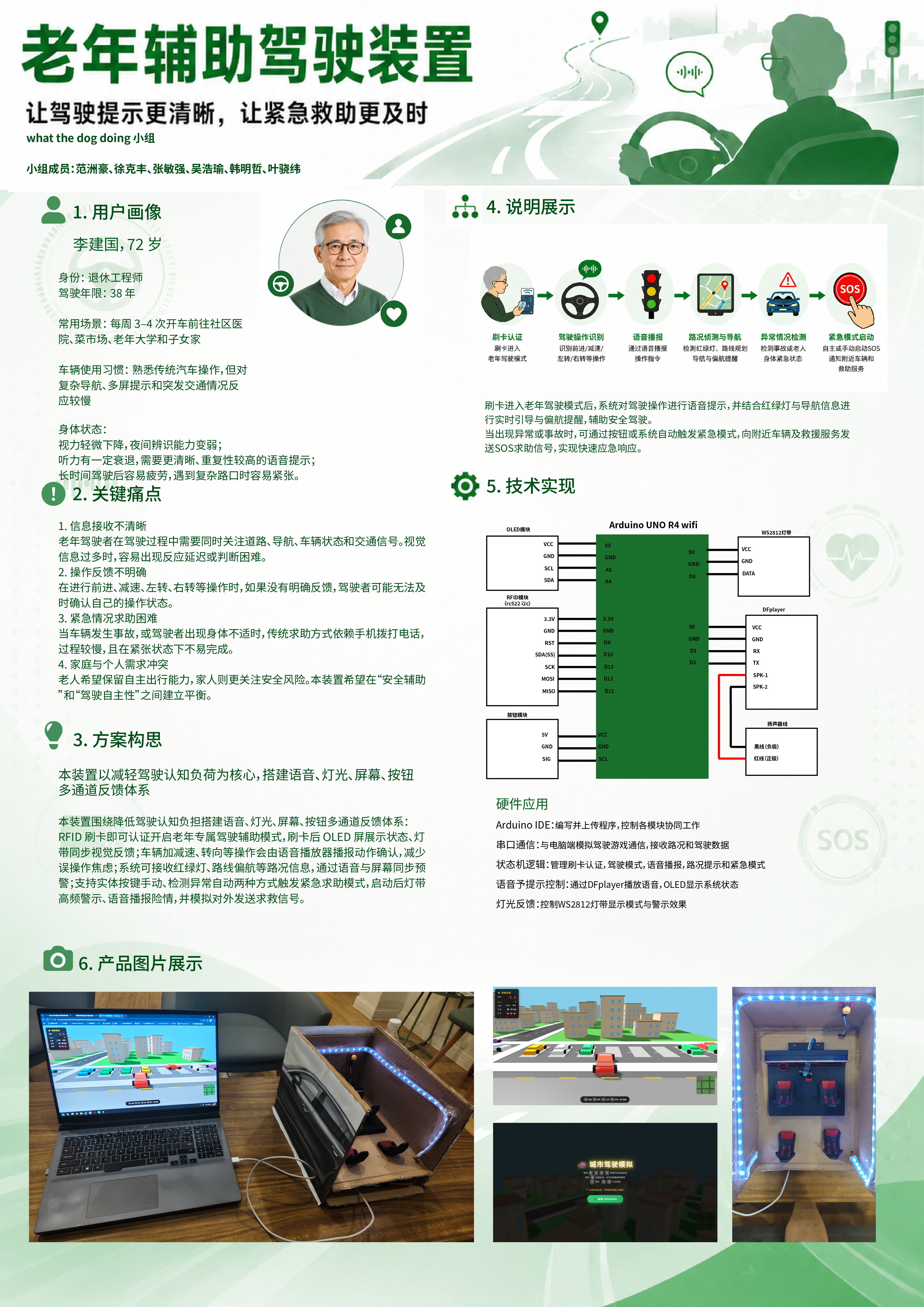
An interactive driver assistance device for seniors based on Arduino and the Internet of Things
Project Content
An autonomous driving interactive signal system designed for the elderly (or other special groups).
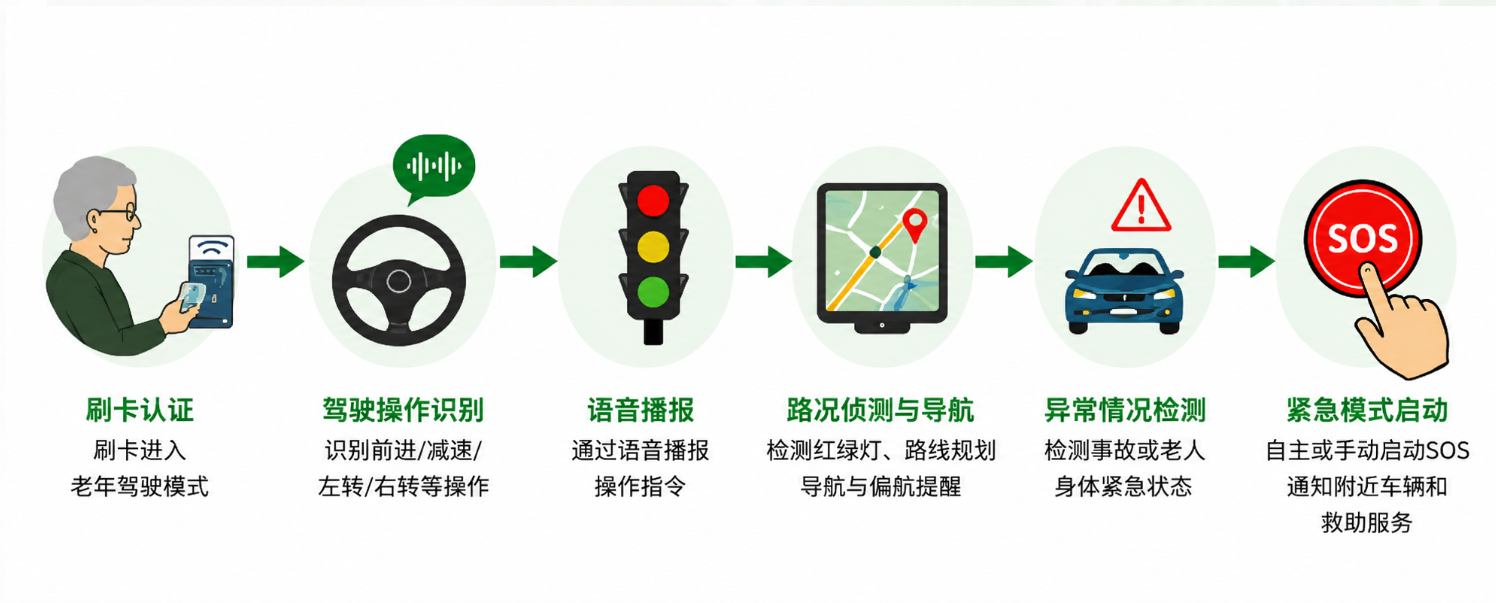
This project is an assisted driving interaction system specially designed for the elderly and special groups. By integrating functions such as RFID identity authentication, voice broadcasting, emergency braking, and computer-based driving simulation linkage, it builds a complete closed-loop system of "recognition → feedback → warning → training," aiming to compensate elderly drivers for driving risks caused by declining physical function through technical means.
System architecture
2. Which problem does the customer solve?
2.1 Core User Pain Points
User pain points
Specific performance
This project is a solution
Urgent help for difficulty
Elderly drivers who suddenly feel unwell or encounter danger cannot seek help quickly
One-click emergency button + serial SOS command to trigger alarms and lock the system
Reduced reaction ability
Slowed response to sudden traffic situations (traffic lights, obstacles).
Voice broadcast early warnings (traffic light detection, red light violation alarm)
Operation is complex
Existing in-vehicle systems are complex and difficult for elderly people to master
Minimalist interaction: card swipe to start + large button + voice prompt
Lack of training environment
Road driving practice carries high risks, and elderly people lack safe training channels
Comes with a 3D driving simulation game, offering zero-risk training scenarios
Difficulty in state perception
Elderly people find it difficult to judge whether the system is functioning properly
OLED + LED dual visual feedback makes the status clear at a glance
Emergency recovery is difficult
After emergency treatment, it is unclear how to restore normal condition
In emergency situations, you can recover by swiping the senior card
2.2 Target User Profiling
Dimension
Description
Age
Elderly drivers over 60 years old with a driver's license
Features
Vision declines, reaction speed slows, and acceptance of new technologies is lower
Demand
Safety assistance, simple operation, emergency assistance, driving practice
Scene
For daily driving, elderly care community travel, and family use
3. Project Innovation
Innovation dimension
Specific content
Innovation level
Age-friendly interactive design
Large buttons (30mm diameter), large font (≥16px), clear voice control, and intuitive lighting reduce cognitive load
⭐⭐⭐⭐⭐
Dual-mode emergency trigger
Device button + remote serial SOS command, ensuring seamless emergency response without delay
⭐⭐⭐⭐
Card swipe to remove emergency logic
In emergencies, recovery can be achieved by swiping a card, which fits the habits of elderly people and does not require searching for the reset button
⭐⭐⭐⭐⭐
Software-hard integrated driving training
The hardware device and the 3D driving simulation game are linked in real time via serial ports to build a complete training ecosystem
⭐⭐⭐⭐⭐
Sound effects mapping → game events
13 types of driving scene sound effects (going straight, turning, reversing, slowing down, traffic light detection, red light running, etc.)
⭐⭐⭐⭐
A low-cost open-source solution
All use Arduino open-source hardware + corrugated paper casing + 3D-printed interior, with a total cost of about 287 yuan
⭐⭐⭐⭐
4. Market
4.1 Comparison of similar products
Contrast dimensions
This project is equipped with
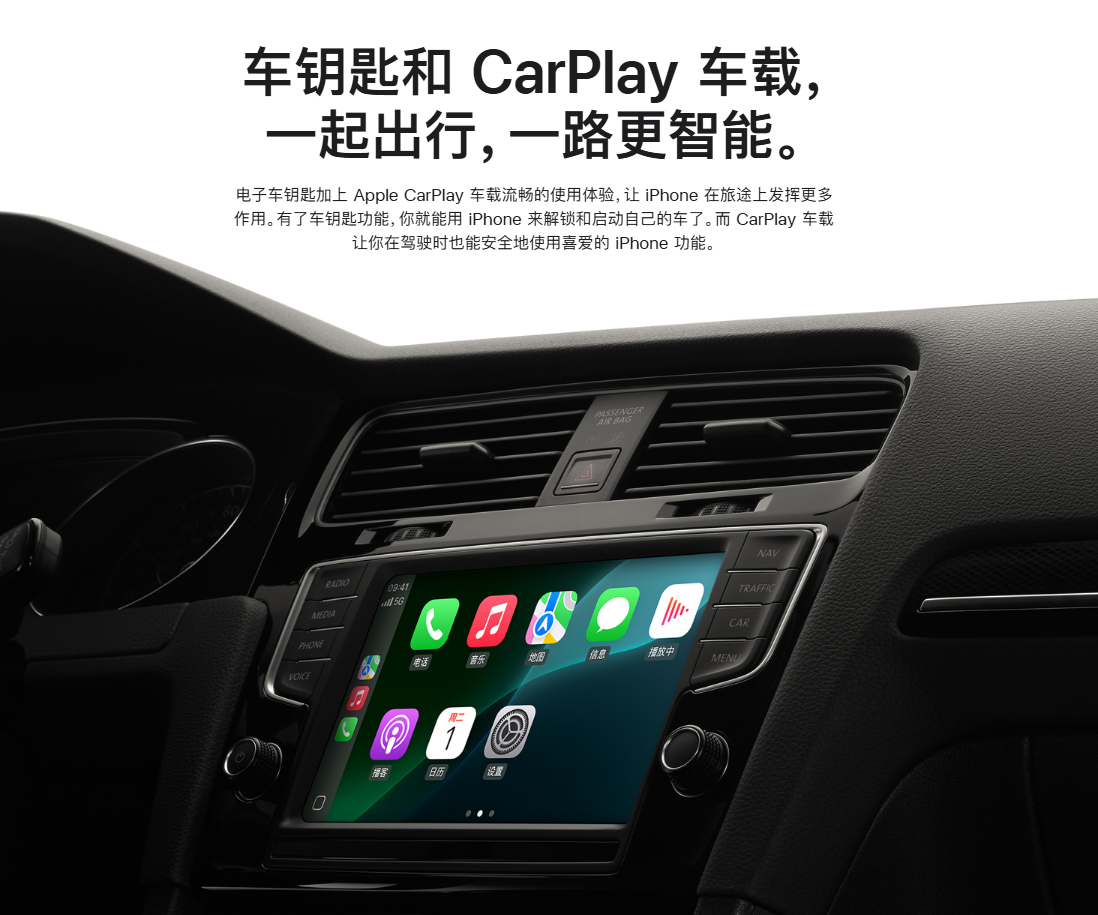
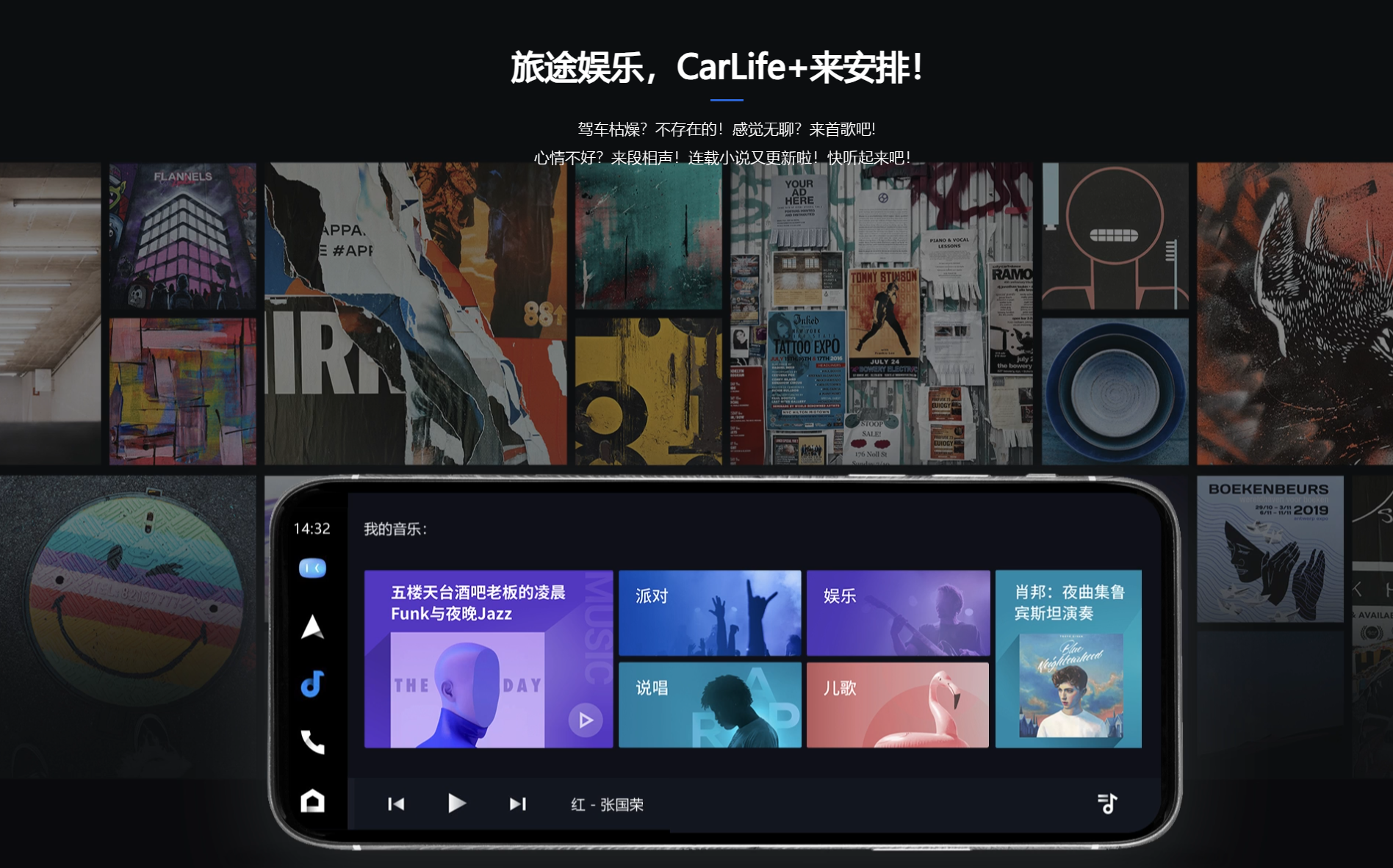
In-car voice assistant (CarPlay/Baidu CarLife)
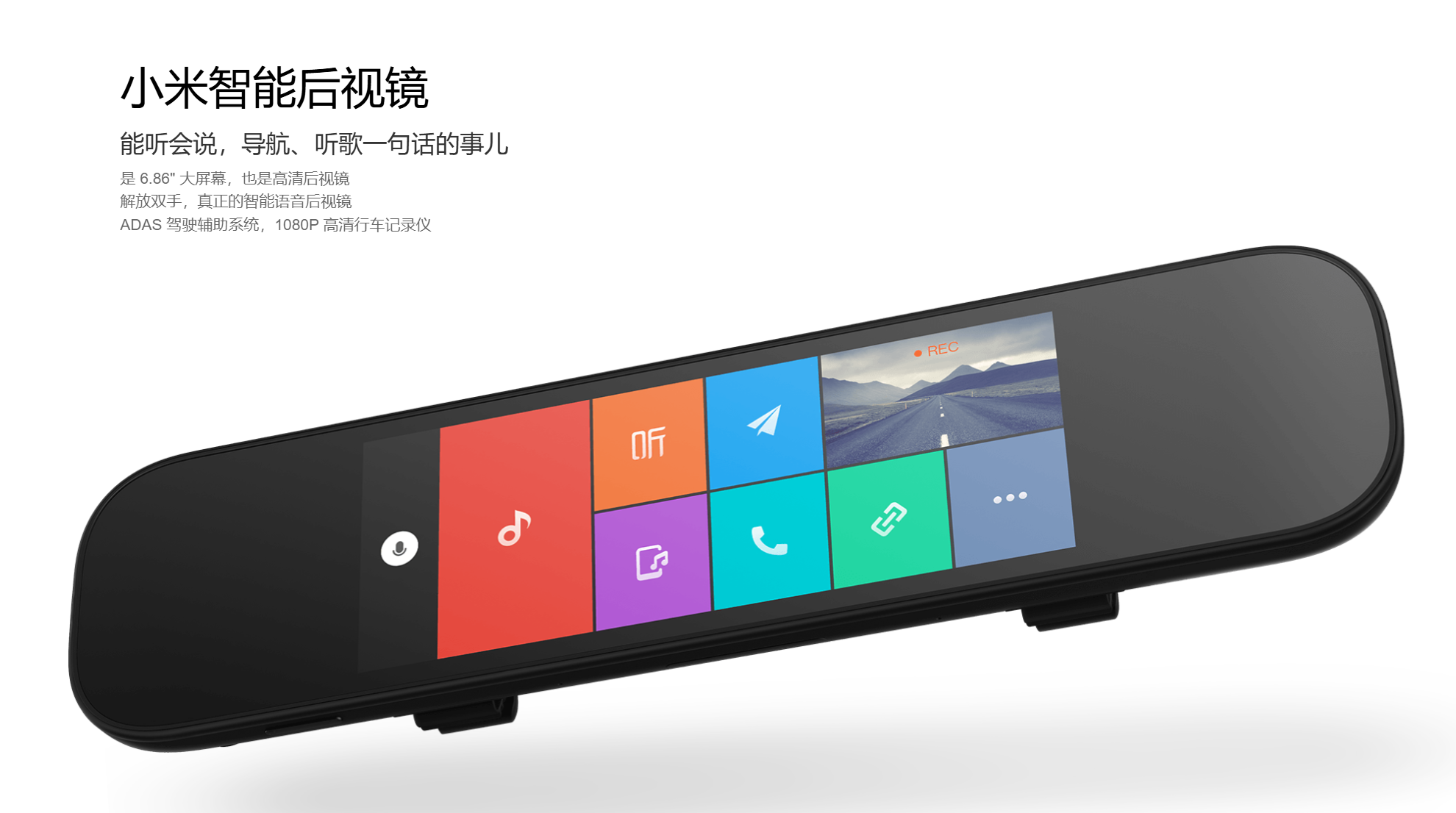
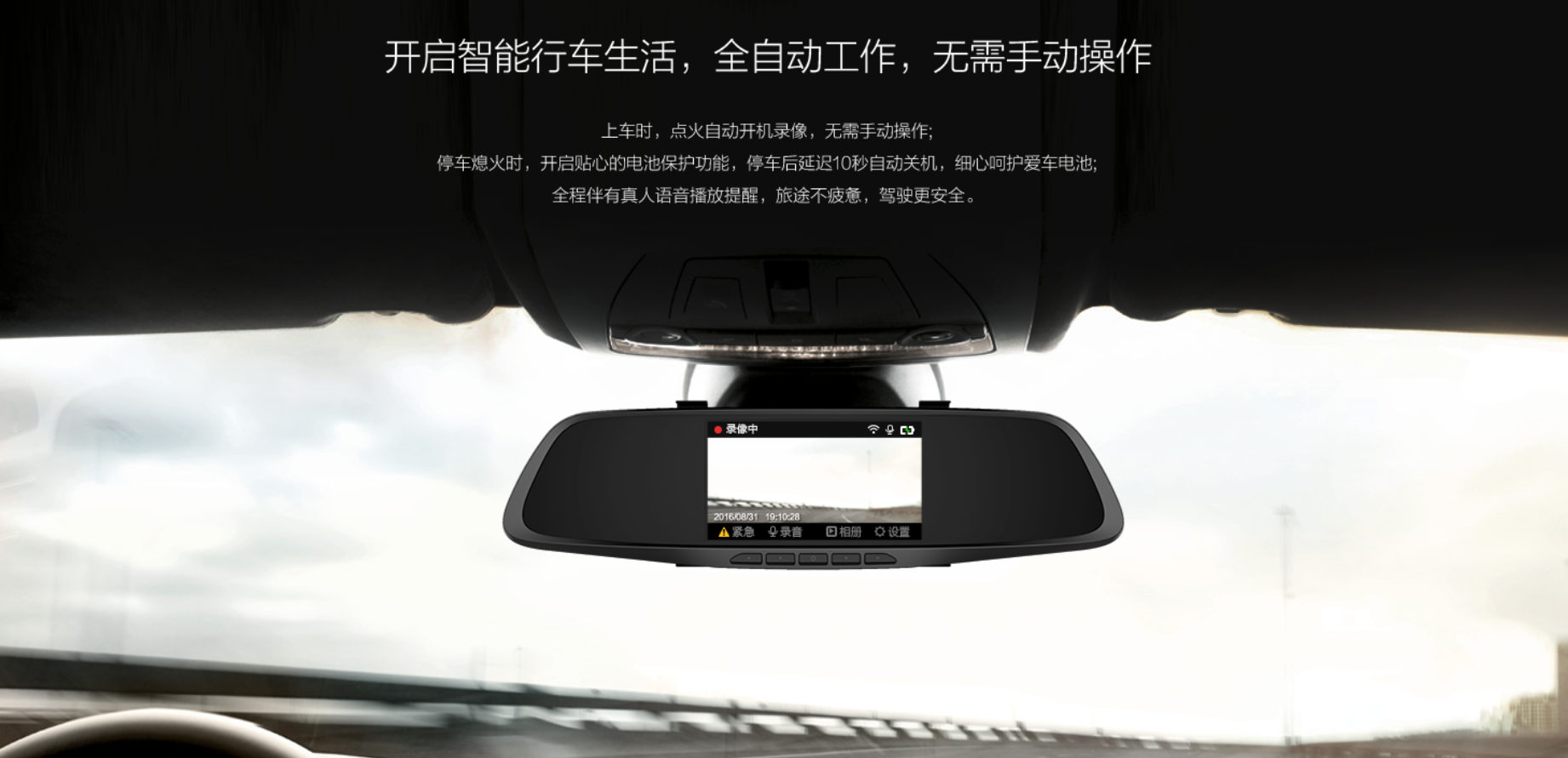
Smart Rearview Mirror (360/Xiaomi)
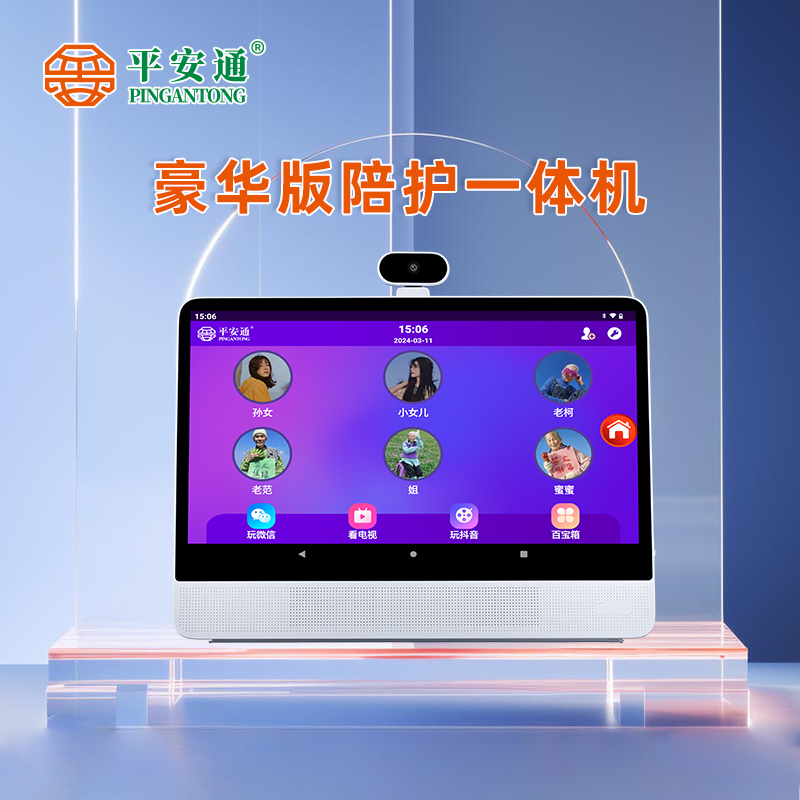
Emergency Assistance Device (Ping An Tong)
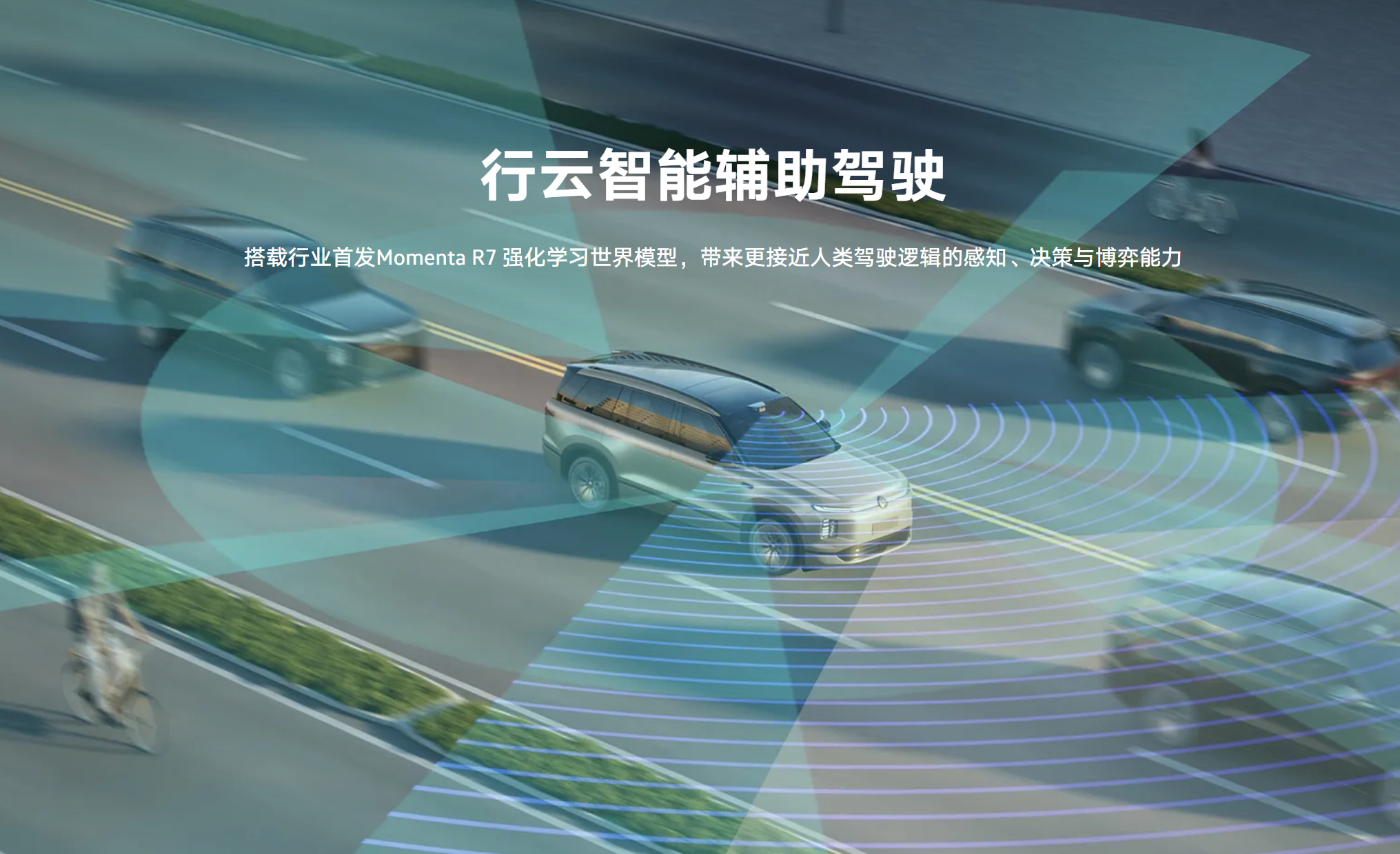
Senior driver assistance system (optional on high-end models)
Age-friendly design
✅ Designed specifically for the elderly
❌ Universal design, complex interface
❌ Universal design
✅ Some are suitable for the elderly
️ Some models include
Emergency braking
✅ Dual triggers of hardware buttons + software commands
Elderly drivers aged 60 and above (over 280 million elderly people in China), elderly care institutions, community transportation services
Market size
The population aged 60 and above in China has exceeded 280 million, with the number of elderly drivers holding driver's licenses continuing to grow
Market Positioning
Differentiated solutions fill the gap in "elderly-friendly in-car interaction + driving training," targeting elderly communities, senior universities, and family use
Competitive Advantages
Low cost (¥287 vs competitor ¥500+), hardware-software integration, open-source customizable
Sales channels
Cooperation with elderly care institutions, community exhibitions, senior products platforms, and university courses for the elderly
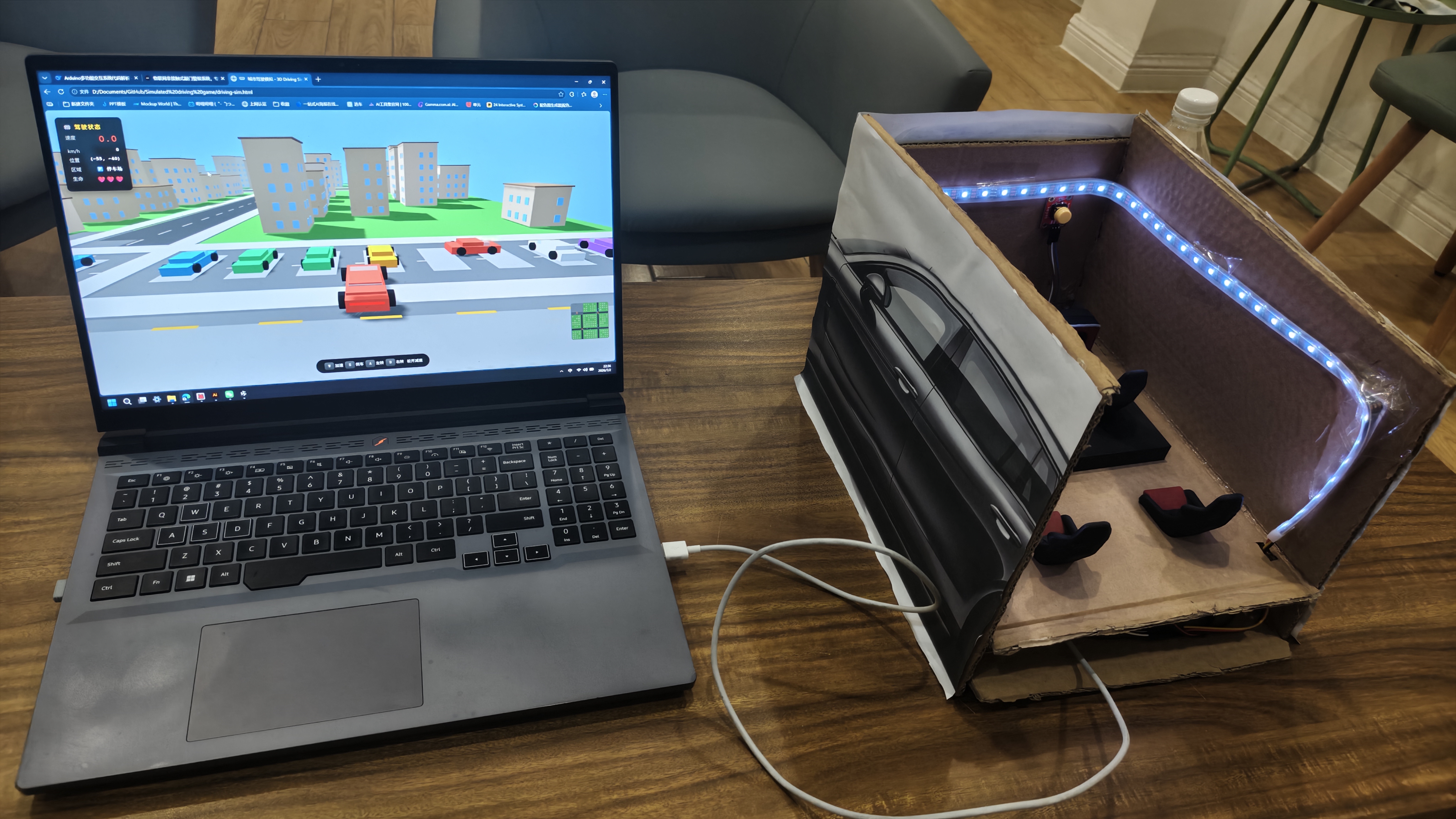
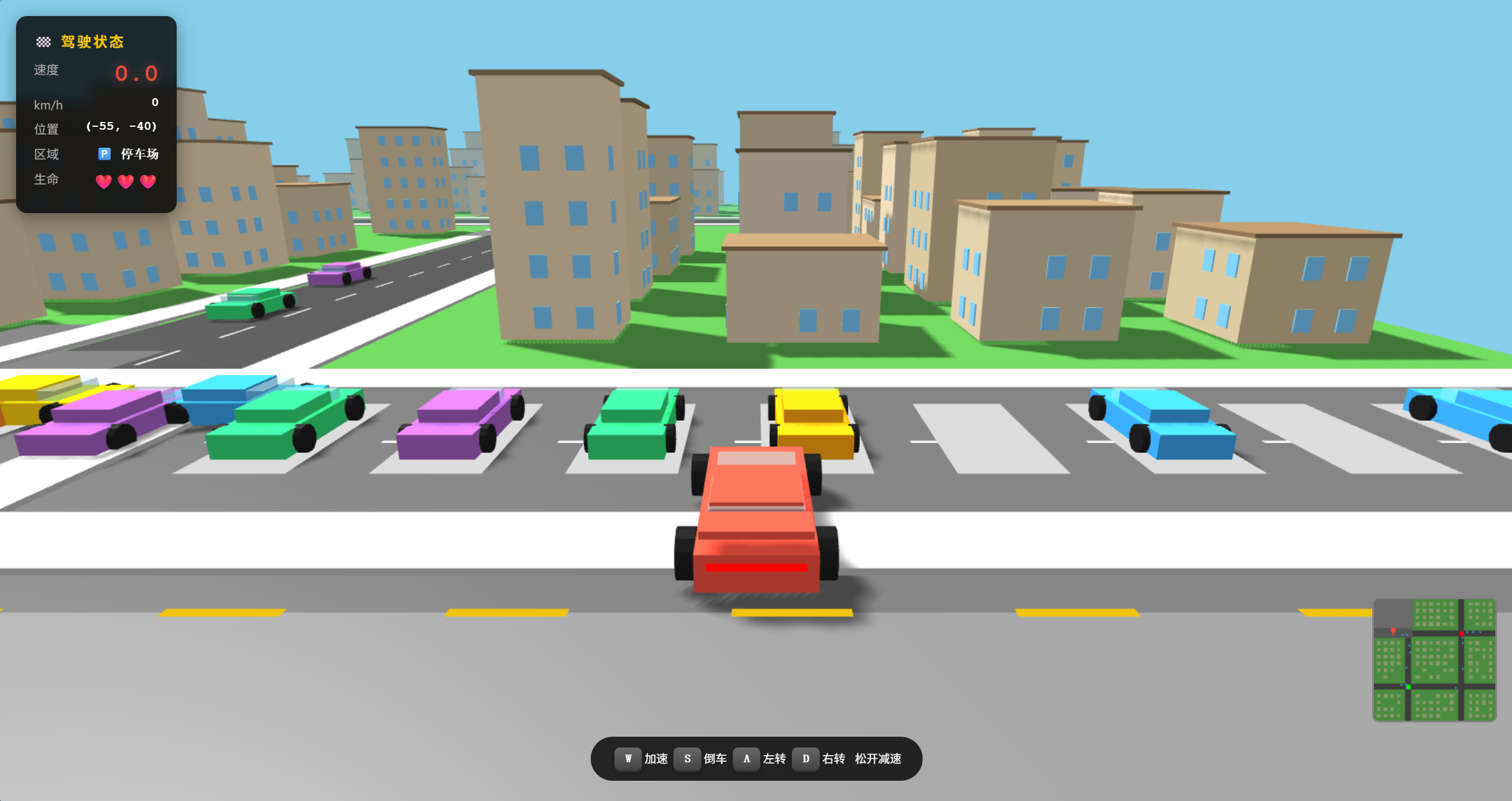
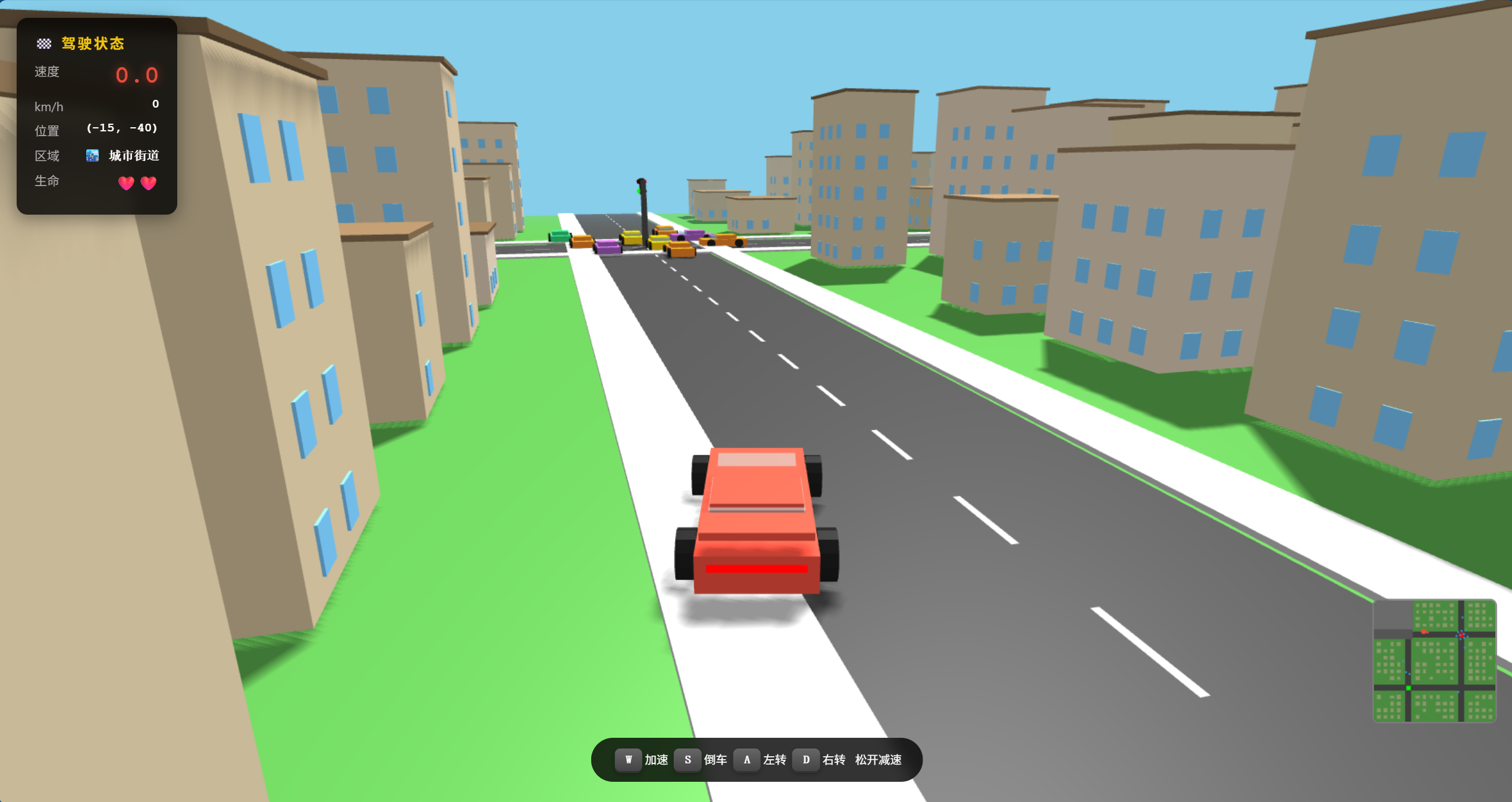
The computer-side program for this project is a 3D city driving simulation game (implemented in HTML/Three.js), with the core functions and event mappings as follows:
Separate initialization and playback commands, remove repeated begin() calls, and add 3 retry mechanisms
Emergency response delays
High
Place emergency detection at the top of the main loop and use status locks to prevent repeated activation
Serial port instructions overload/packet loss
Medium
Added cooling mechanism (audioBlockedUntil) and instruction deduplication logic
LED strip power supply is insufficient
Medium
Uses an external 5V 3A power supply for independent power supply to ensure shared ground
Insufficient RFID sensing distance
Low
Optimized antenna position, panel thickness controlled at 1-2mm
Game event and sound effects synchronization delay
Medium
Serial port baud rate 115200, instruction response < 200ms
6.4 Sandbox Scene Production Plan
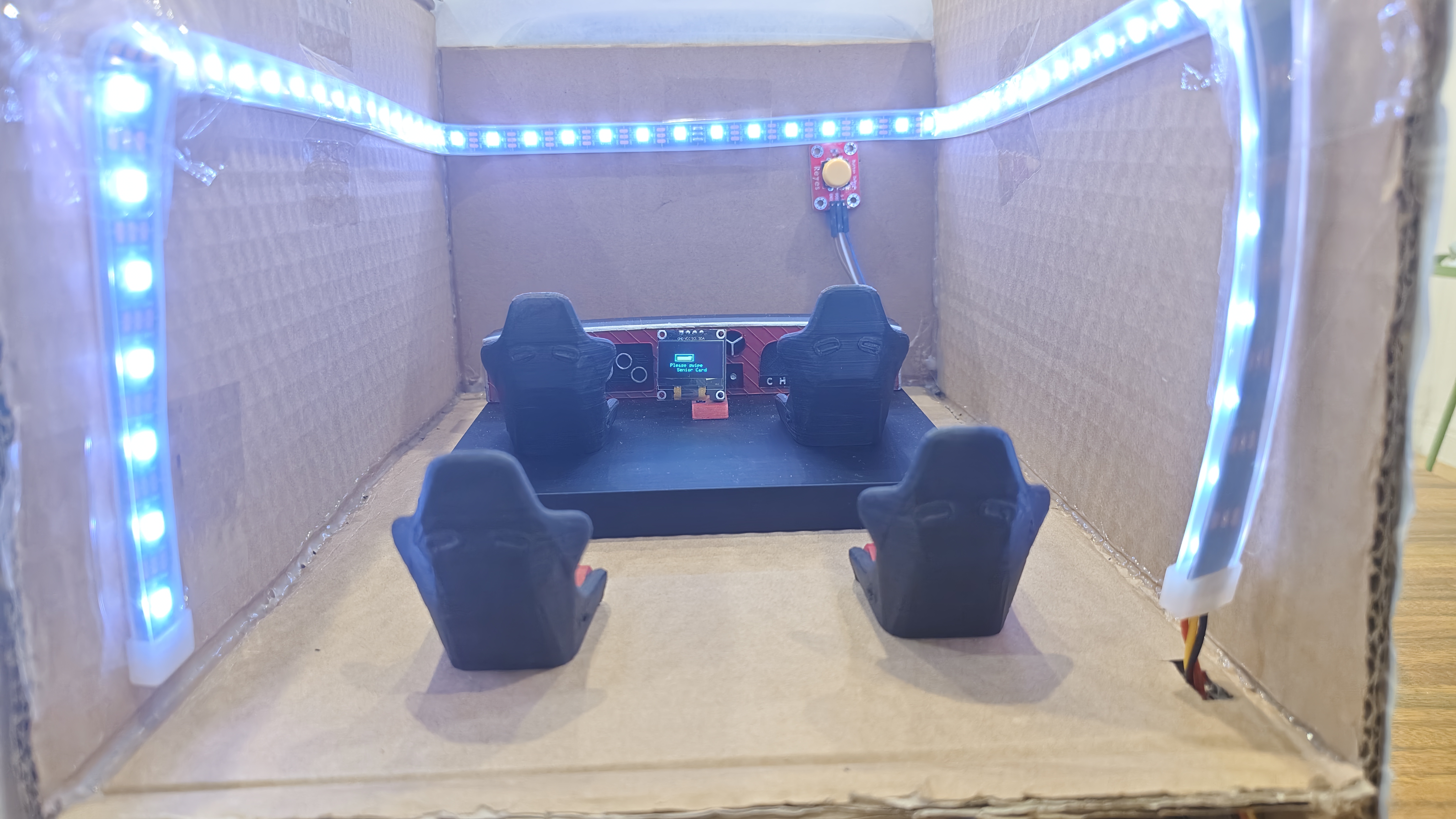
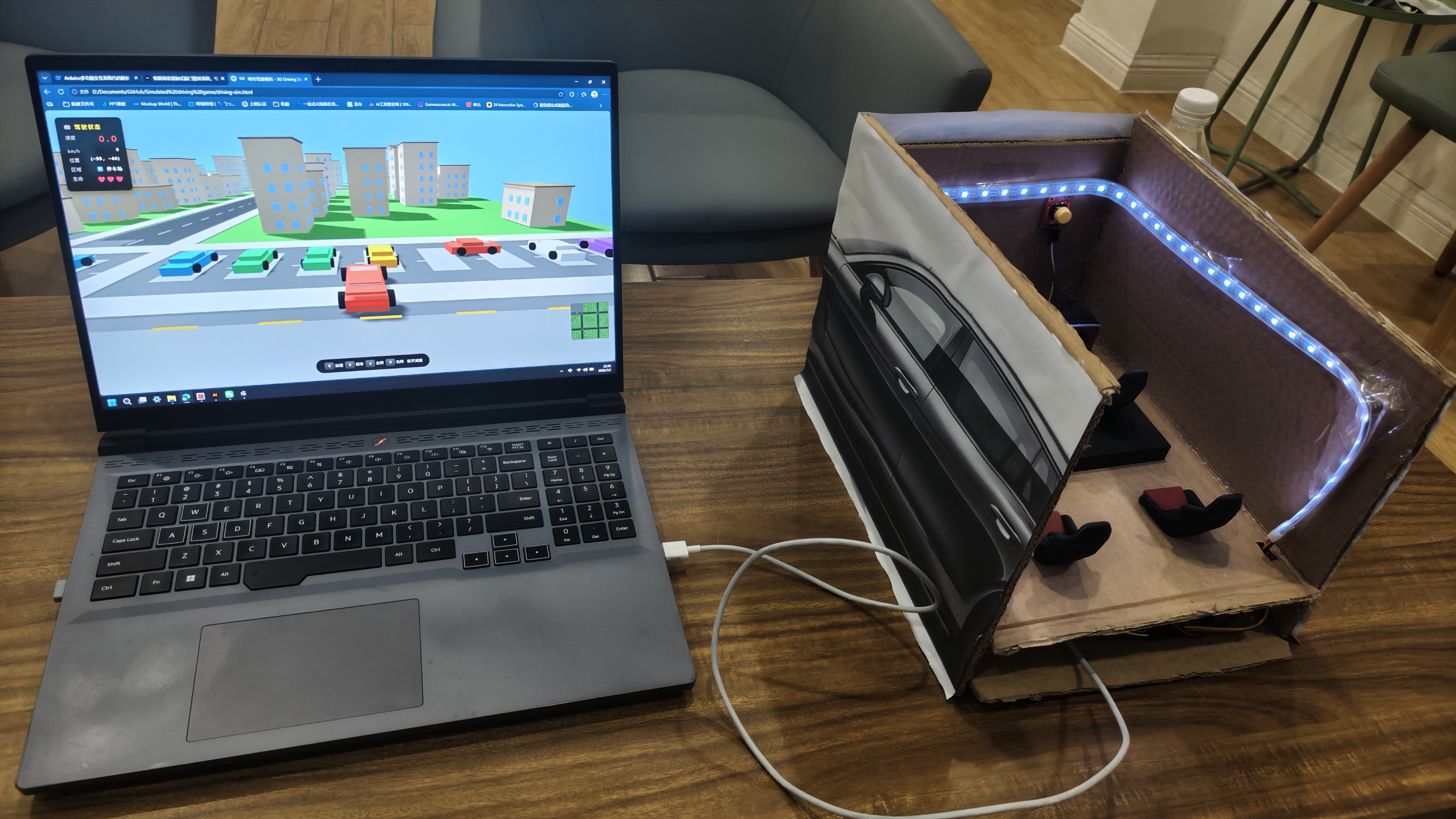
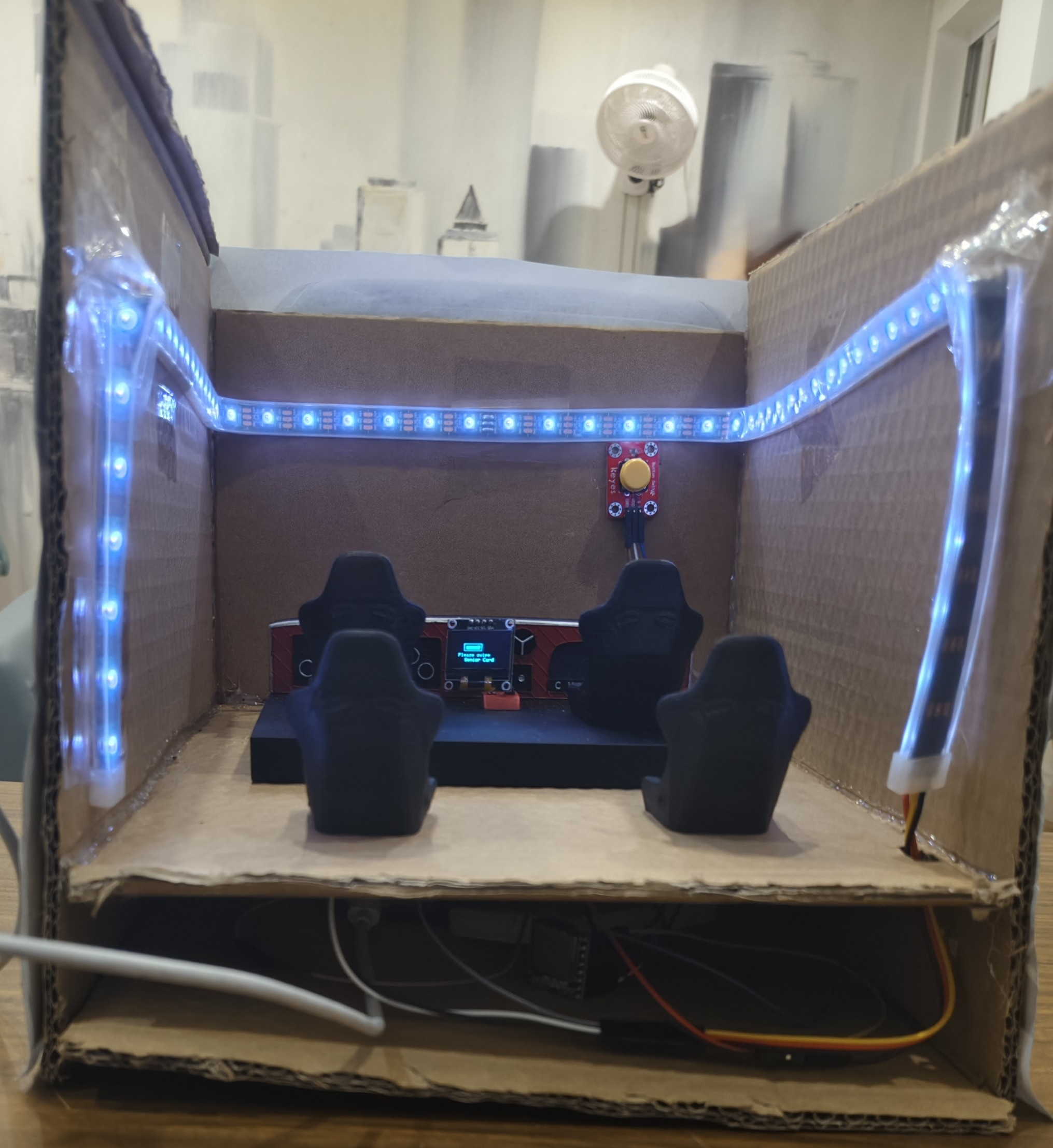
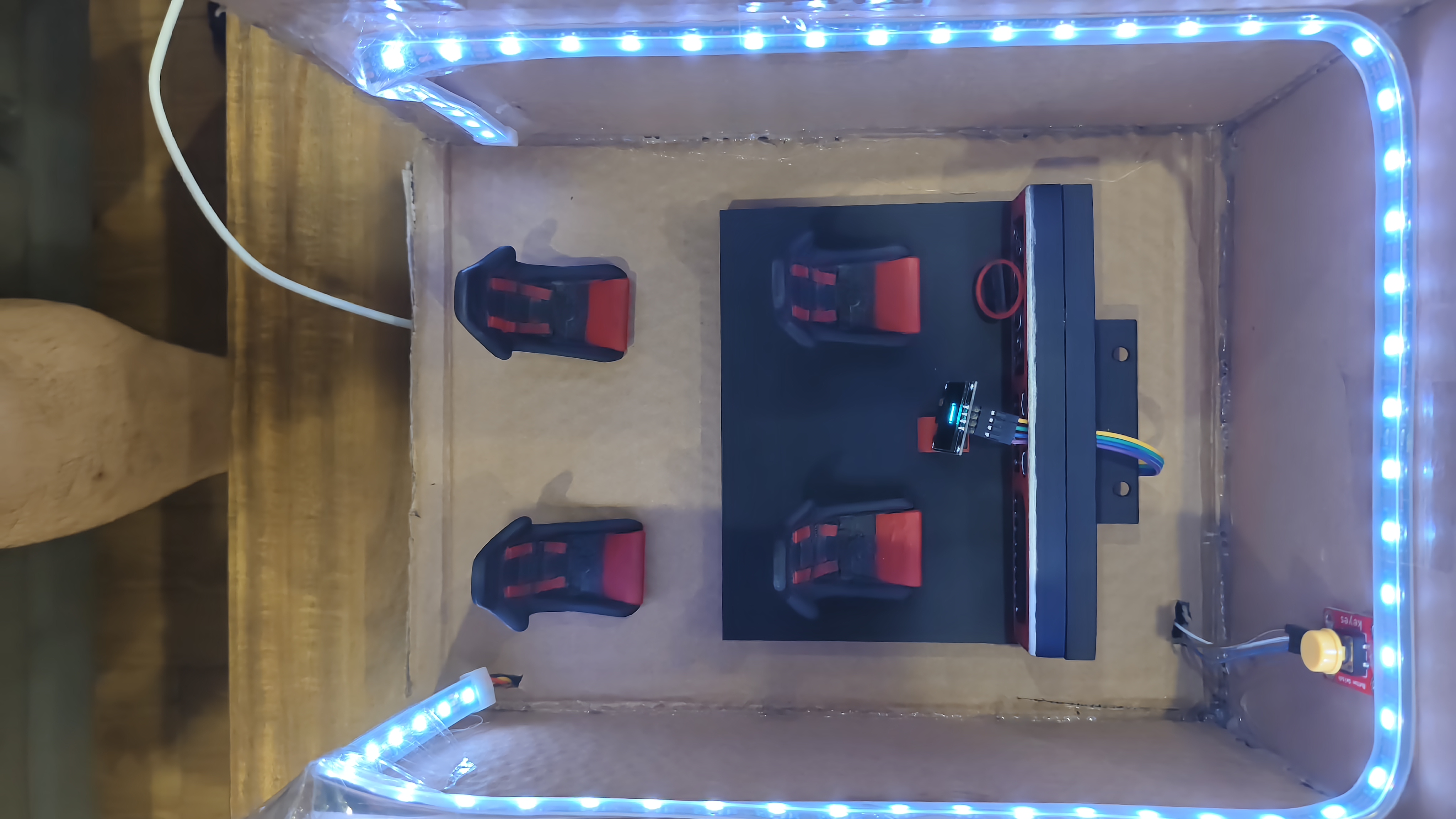
This project uses a sandbox scenario solution of corrugated paper shells + 3D-printed interiors, simulating a real cockpit environment to enhance the sense of immersion and operational familiarity for seniors.
Component
Materials
Color
Manufacturing method
Note
Main shell
Corrugated cardboard (3-5mm)
Original color/white stickers
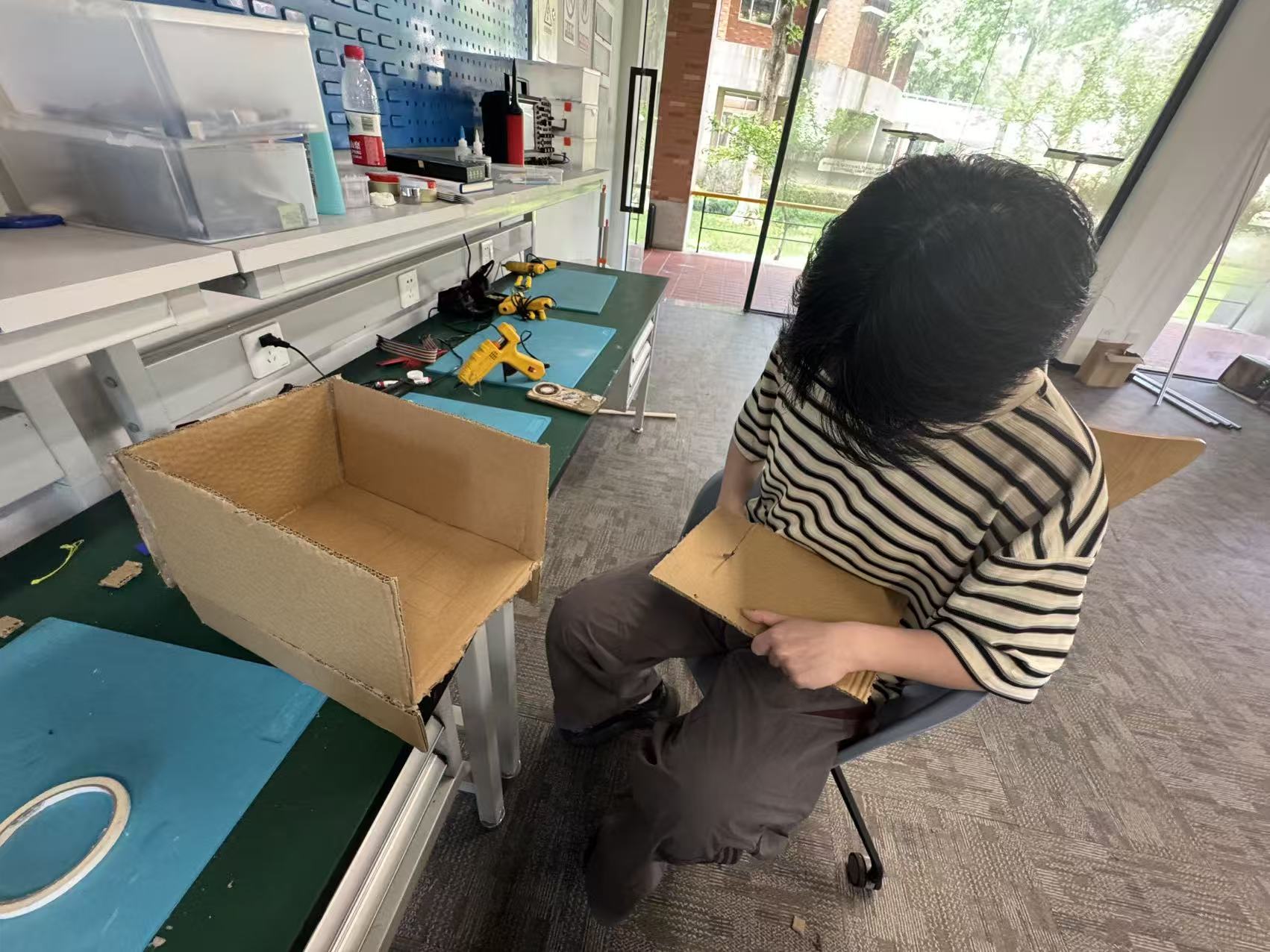
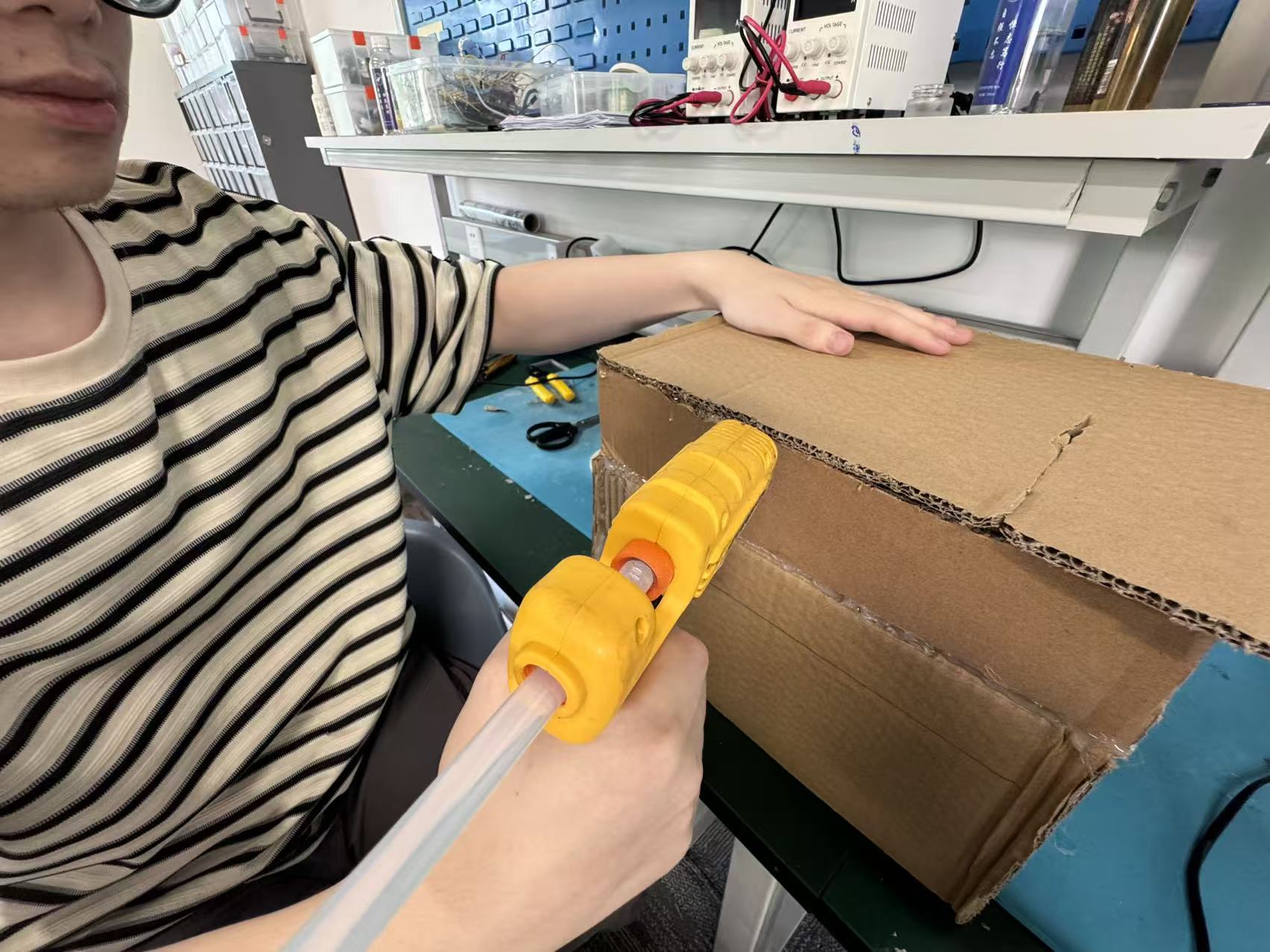
Manual cutting + hot melt glue splicing
Lightweight, easy to process, extremely low-cost, providing basic structural support
Dashboard
PLA
Black
3D printing
Simulating a car dashboard, installing an OLED screen and indicator lights
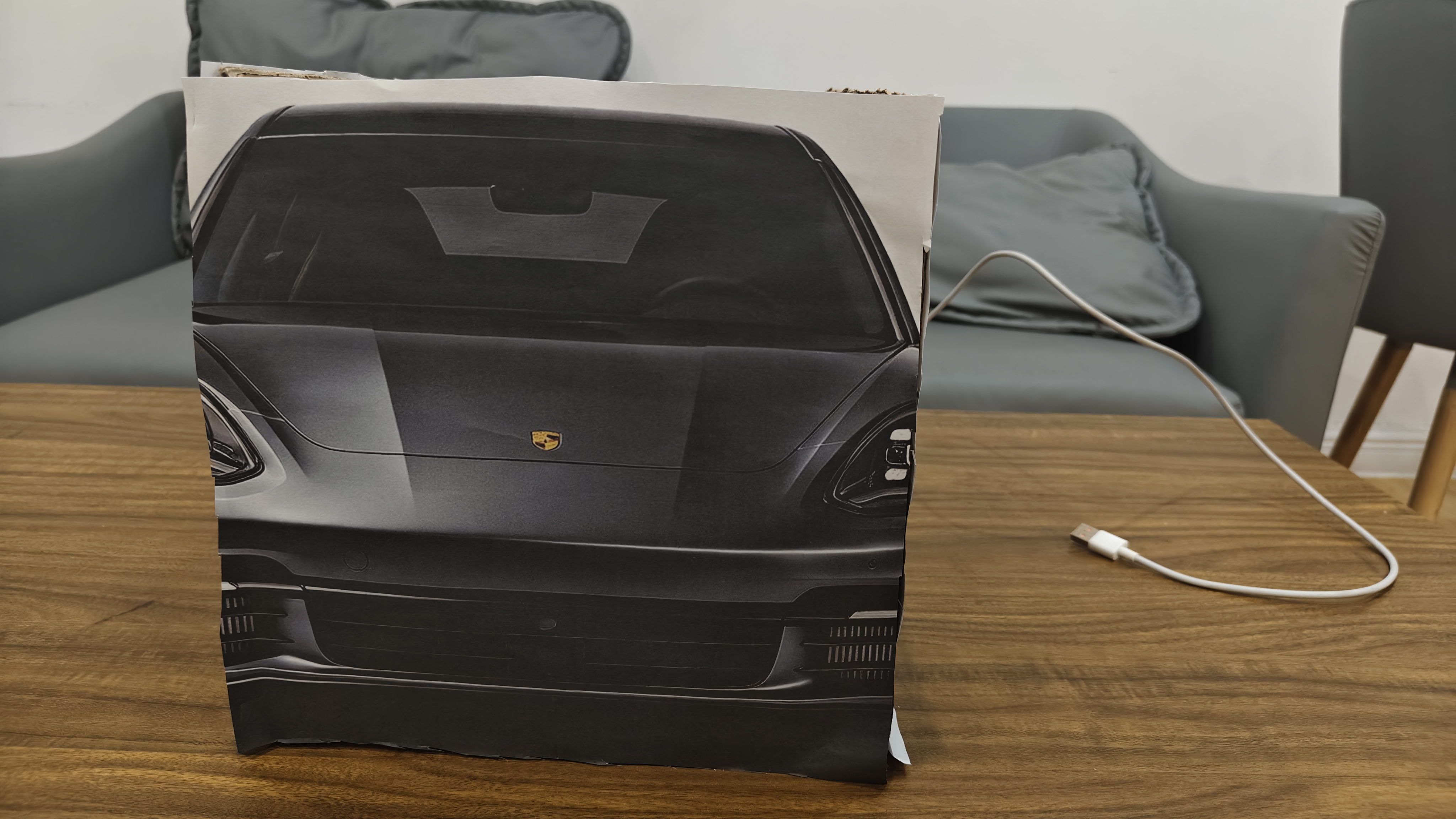
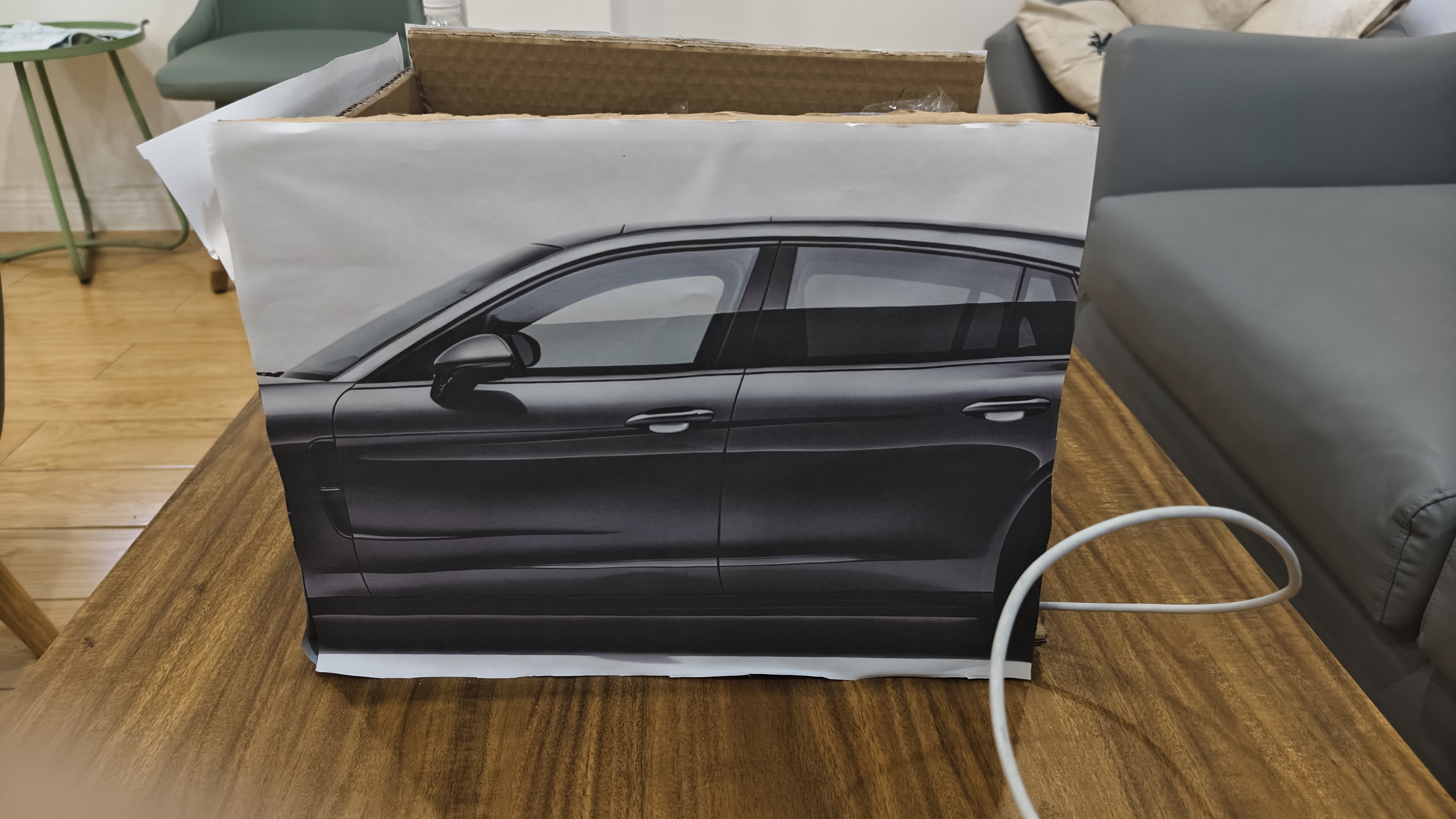
Simulate the car's appearance by printing and pasting it onto the outside of the corrugated paper casing
No additional shell decorations are made, keeping things simple
6.5 Production Process
Step 1: Make the outer shell of the corrugated cardboard
Step
Note
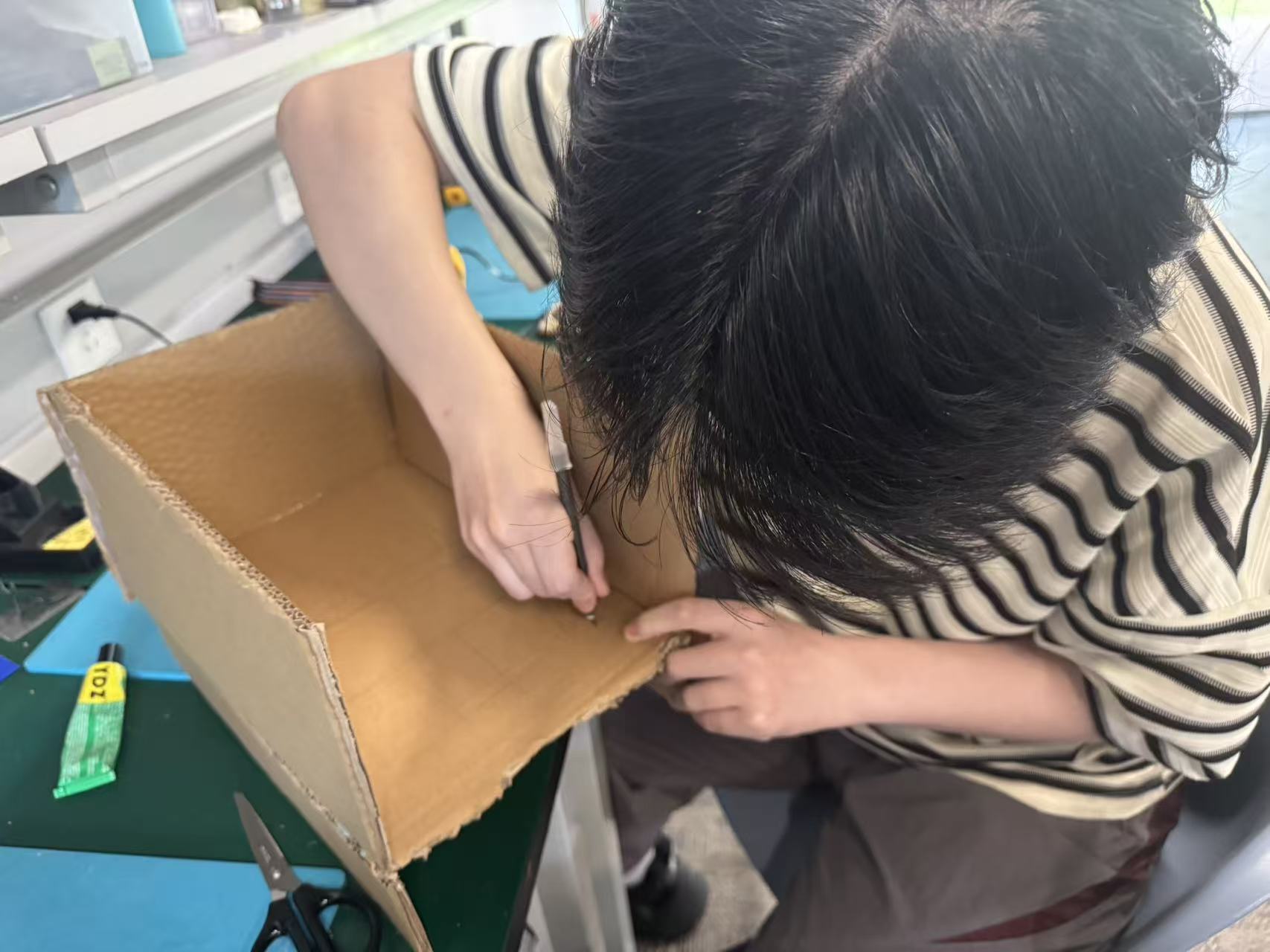
1.1 Design and Cutting
Based on the internal component layout, draw the shell unfolding diagram, with dimensions of approximately 250×200×150mm
1.2 Cutting
Use a utility knife to cut corrugated cardboard along the drawing (recommended thickness 5mm).
1.3 Opening
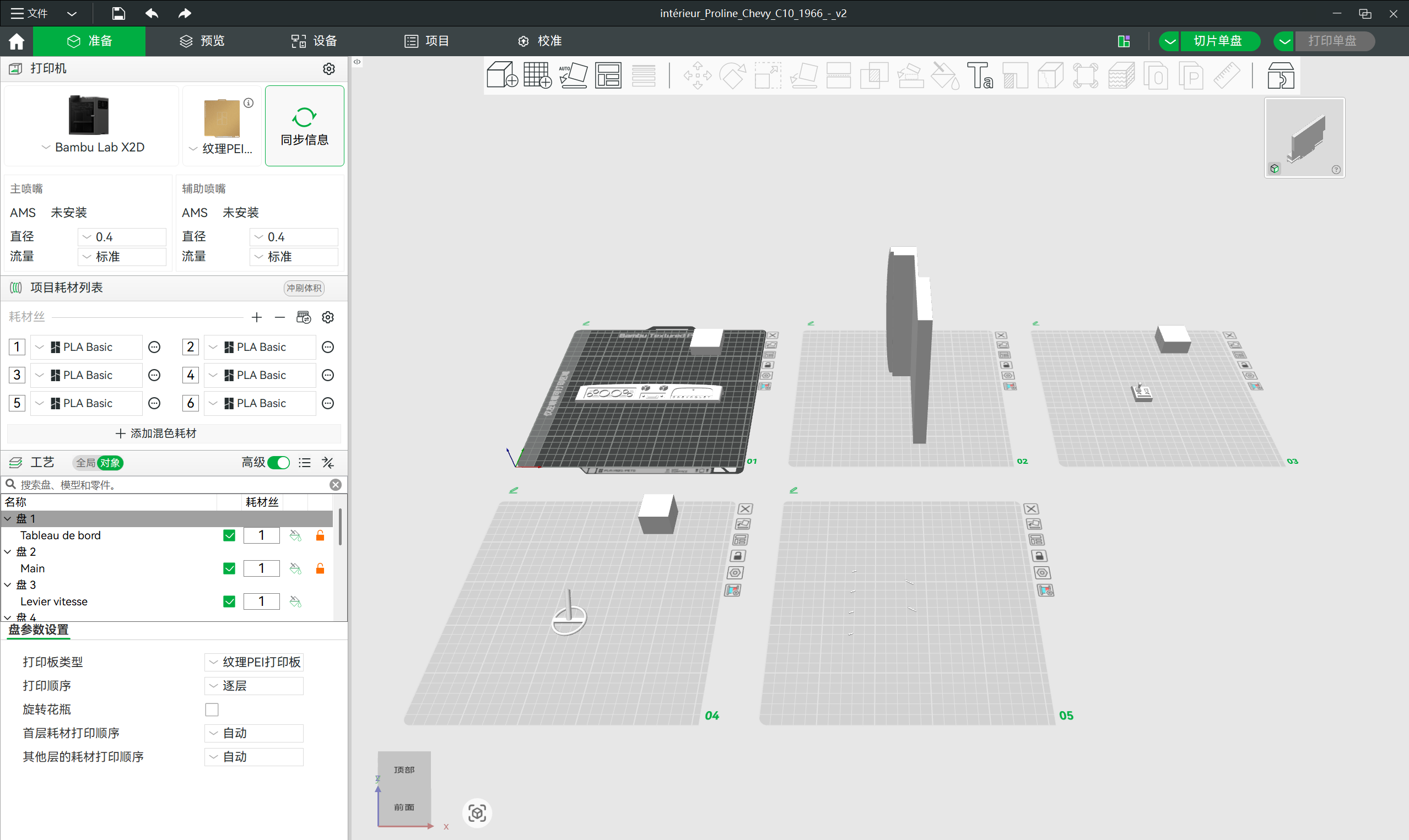
Reserve installation slots for 3D-printed interior parts (dashboard, steering wheel, transmission, seats, base)
1.4 Bending and Splicing
Bend along the creases and use hot melt adhesive to assemble a box-shaped structure
1.5 Reinforcement
Corrugated paper triangular supports are added at internal corners to enhance structural strength
1.6 Appearance Decoration
Paste the printed car image onto the outside of the casing
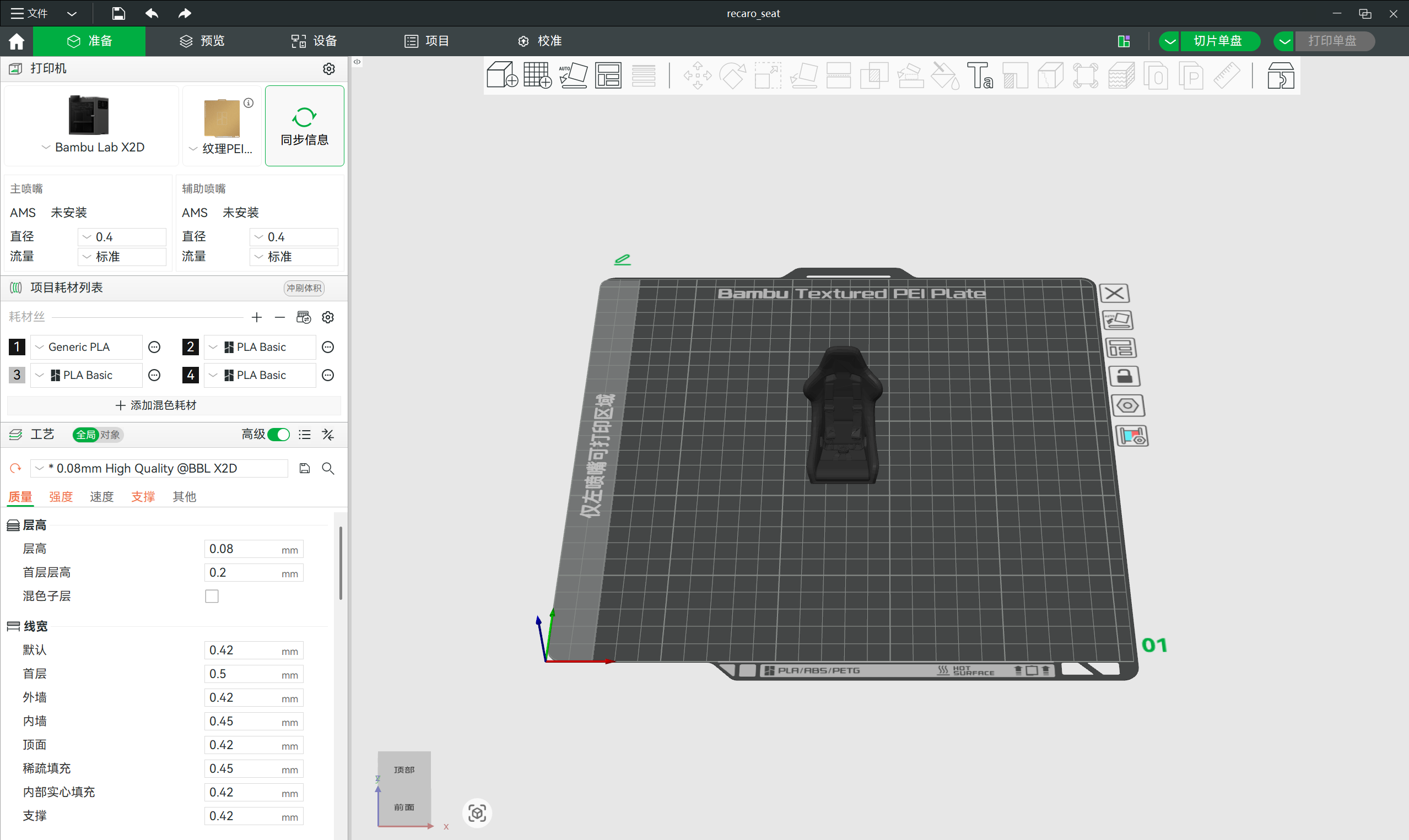
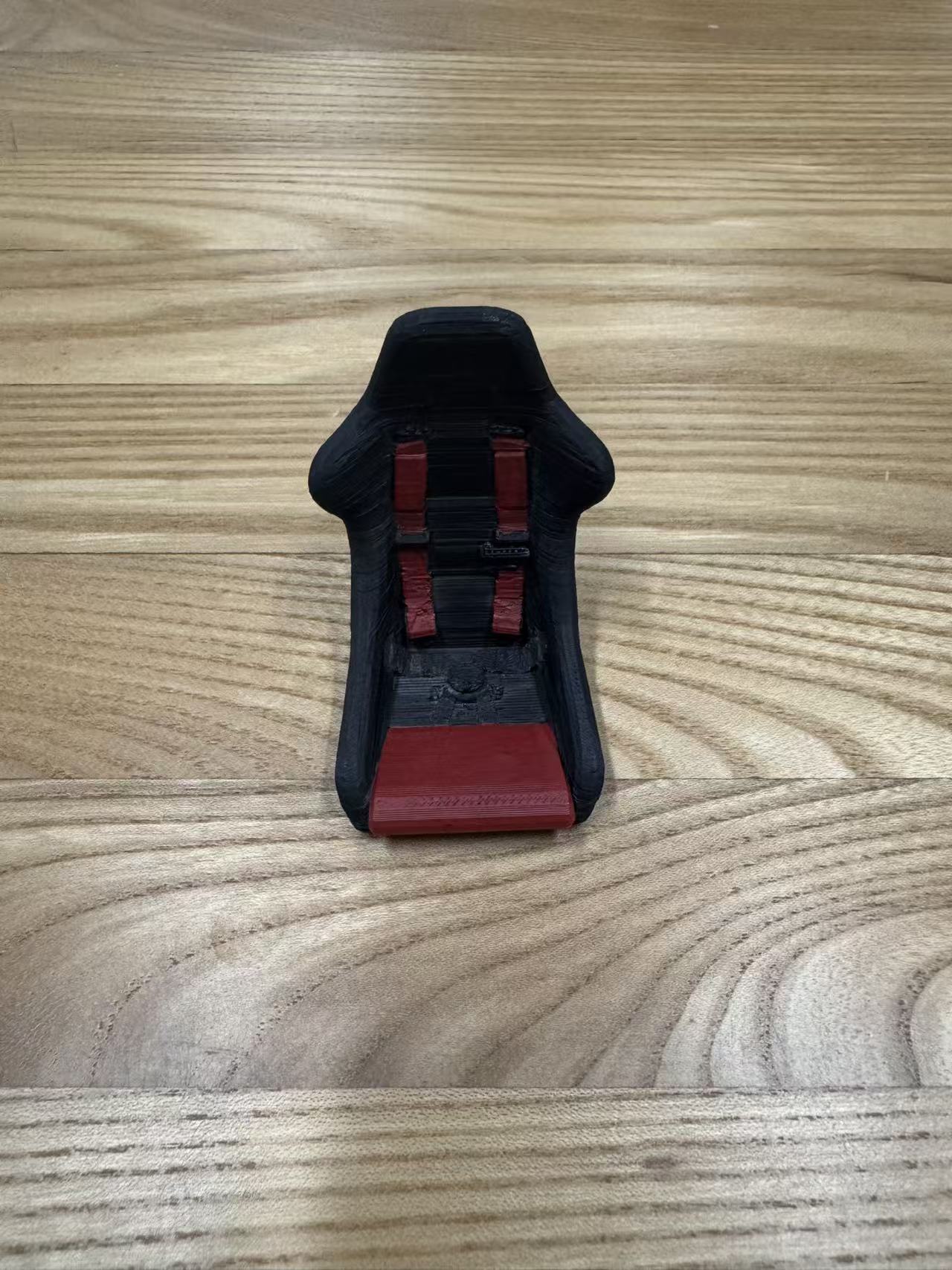
Step 2: 3D print the interior parts
Decorative parts
Size (approx.)
Color
Print parameters
Note
Dashboard
150×60×40mm
Black
Floor height 0.2mm, fill 20%
Simulated dashboard, embedded OLED screen
Steering wheel
Diameter 100mm
Black
Floor height 0.15mm, fill 30%
Ring-shaped structure, rotatable (optional)
Transmission
40×30×50mm
Black
Floor height 0.2mm, fill 20%
Simulated gear lever design
Seat
80×60×50mm
White
Floor height 0.2mm, fill 15%
Simulated driver's seat
Simulation Base
230×180×10mm
Black
Floor height 0.2mm, fill 20%
Supports all components
Step 3: Assemble the components
Step
Note
3.1 Install the base
Fix the 3D printed simulation base to the bottom of the corrugated paper
3.2 Installing the Instrument Panel
Fix the 3D-printed instrument panel to the front and embed an OLED screen
3.3 Installing the steering wheel
Fix the 3D-printed steering wheel in front of the dashboard
3.4 Installing the transmission
Fix the 3D printed transmission in the middle
3.6 Installing the Seat
Fix the 3D-printed seat at the rear
3.7 Installing RFID
Close to the inner side of the panel (sensor zone thickness 1-2mm)
3.8 Install Button
Stuck to the installation wall
3.9 Connecting Lines
Connect all modules according to the wiring list, tie the cable tie to arrange the wiring harness
3.10 Pasting Appearance Decoration
Attach the printed car image to the outside of the casing
7. Addressing some issues within the SDGs
Note: The so-called specific uses here refer to the actual effect of the product produced under the production mode of the device
This project corresponds to the three most relevant goals of the United Nations Sustainable Development Goals (SDGs):
✅ SDG 3: Good Health and Well-being
Core Goal: Ensure a healthy lifestyle and promote well-being for people of all ages.
Specific Manifestations:
SDG 3 Sub-Goals
Contribution of this project
3.6 Reduce traffic accident casualties
Traffic light detection and warning (within a 40-meter range) provides elderly drivers with ample reaction time; Real-time alerts for running red lights, reducing accident risks at the source
3.8 Universal Health Coverage
The low-cost solution (¥287) allows driver assistance technology to benefit ordinary elderly users, not exclusive to high-end models
3.4 Reducing Premature Deaths from Non-Communicable Diseases
Reducing accident injuries through assisted driving and ensuring the safety of elderly drivers
✅ SDG 11: Sustainable Cities and Communities
Core Goal: Build inclusive, safe, and resilient cities and communities.
Specific Manifestations:
SDG 11 Sub-Goals
Contribution of this project
11.2 Provide safe and affordable transportation systems for everyone
This enables elderly drivers to participate more safely in urban traffic, integrate into community travel networks, and enhance the inclusiveness of the urban transportation system for the elderly
11.7 Provide safe and inclusive public spaces
Providing a safe driving practice environment through 3D driving simulation games to help seniors build confidence in their travels
Specific contributions:
Reduce the risk of traffic accidents for elderly drivers and improve urban road safety
Affordable assisted driving technology solutions for senior communities and the elderly
✅ SDG 9: Industry, Innovation, and Infrastructure
Core Objective: Build resilient infrastructure, promote inclusive and sustainable industrialization, and drive innovation.
Specific Manifestations:
SDG 9 Sub-Goal
Contribution of this project
9.5 Enhancing Technological Innovation Capability
By combining technologies such as RFID, IoT, speech synthesis, and 3D game engines with age-friendly needs, it builds intelligent interactive terminals tailored to specific groups
9.1 Developing Sustainable Infrastructure
It provides replicable technological innovation examples in the elderly assisted driving field, driving the elderly-friendly upgrade of intelligent transportation infrastructure
Specific contributions:
Low-cost, open-source solutions have promoted the adoption of assisted driving technology for seniors
The software-hardware integration model provides a reference for the age-friendly transformation of smart city transportation systems
Summary
This project starts from the essential needs of elderly-friendly interaction, comprehensively utilizing embedded systems, sensor technology, human-machine interaction, and Web 3D knowledge to build a practical application value assisted driving interactive device for seniors. The project achieved core functions such as RFID identity authentication, 13 scenario voice broadcasts, emergency braking linkage, and 3D driving simulation training at a low cost (¥287), offering significant price advantages and open-source customizable flexibility compared to competing products on the market (¥500-50,000).
On the technical side, the project overcame key challenges such as repeated initialization of DFPlayer, priority preemption in emergency situations, and serial communication overload, achieving stable linkage between hardware and computer software. In terms of materials and manufacturing, a sandbox scenario solution was adopted using corrugated paper casings + 3D-printed interior (dashboard/steering wheel/transmission/seats/base) + printed car image exterior decorations, balancing cost, immersion, and iteration.
The project directly corresponds to SDG 3 (Good Health and Well-being), SDG 11 (Sustainable Cities and Communities), and SDG 9 (Industry, Innovation and Infrastructure), providing practical technical guarantees for the life safety and dignity of elderly drivers.
"Let technology serve people, making travel safer and warmer."