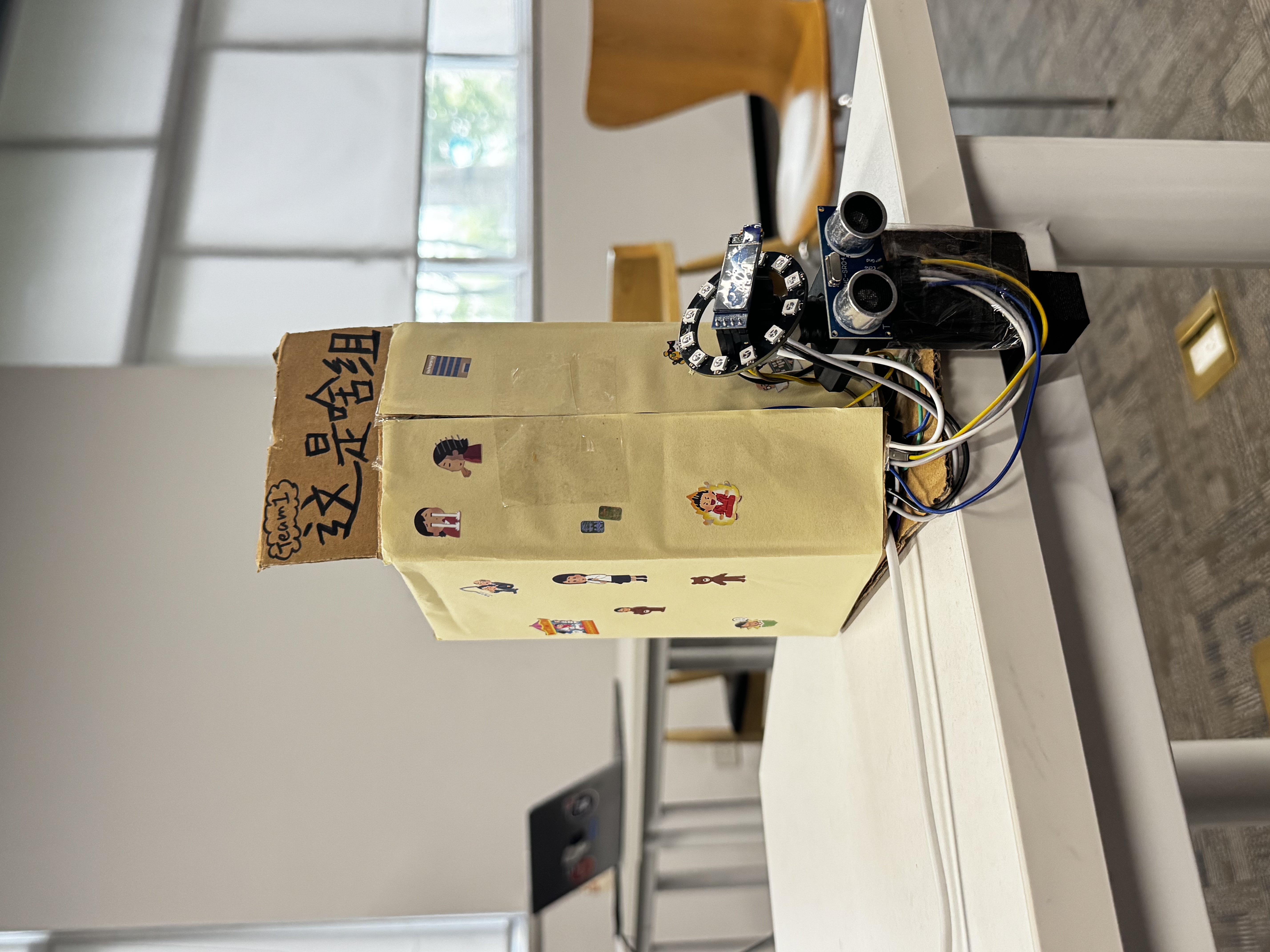
Cognitive Guardian

Mild Cognitive Impairment (MCI) Home Safety Assistance Device

I

Video

项目演示视频

Project Demonstration Video

II

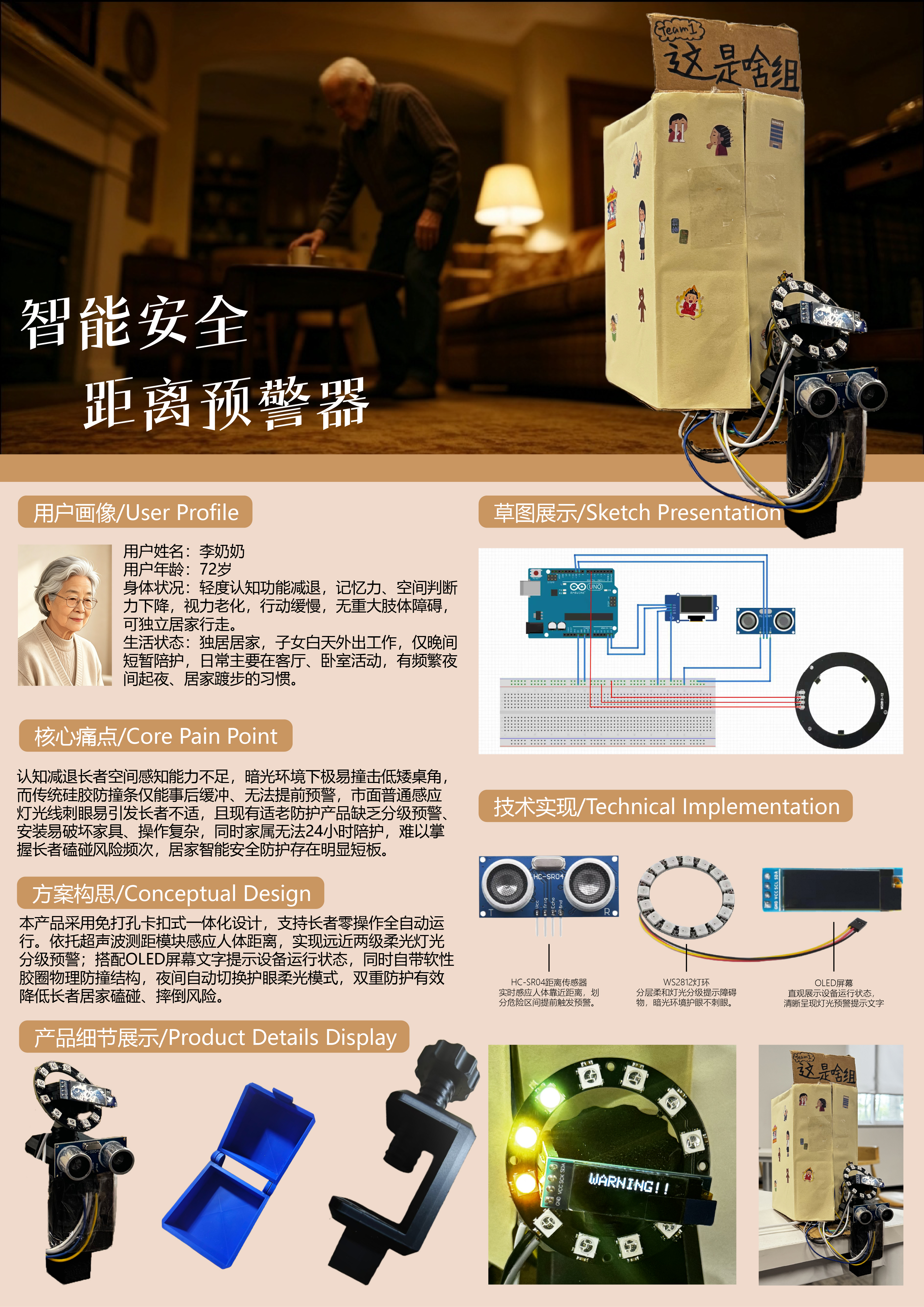
Project Poster

项目海报
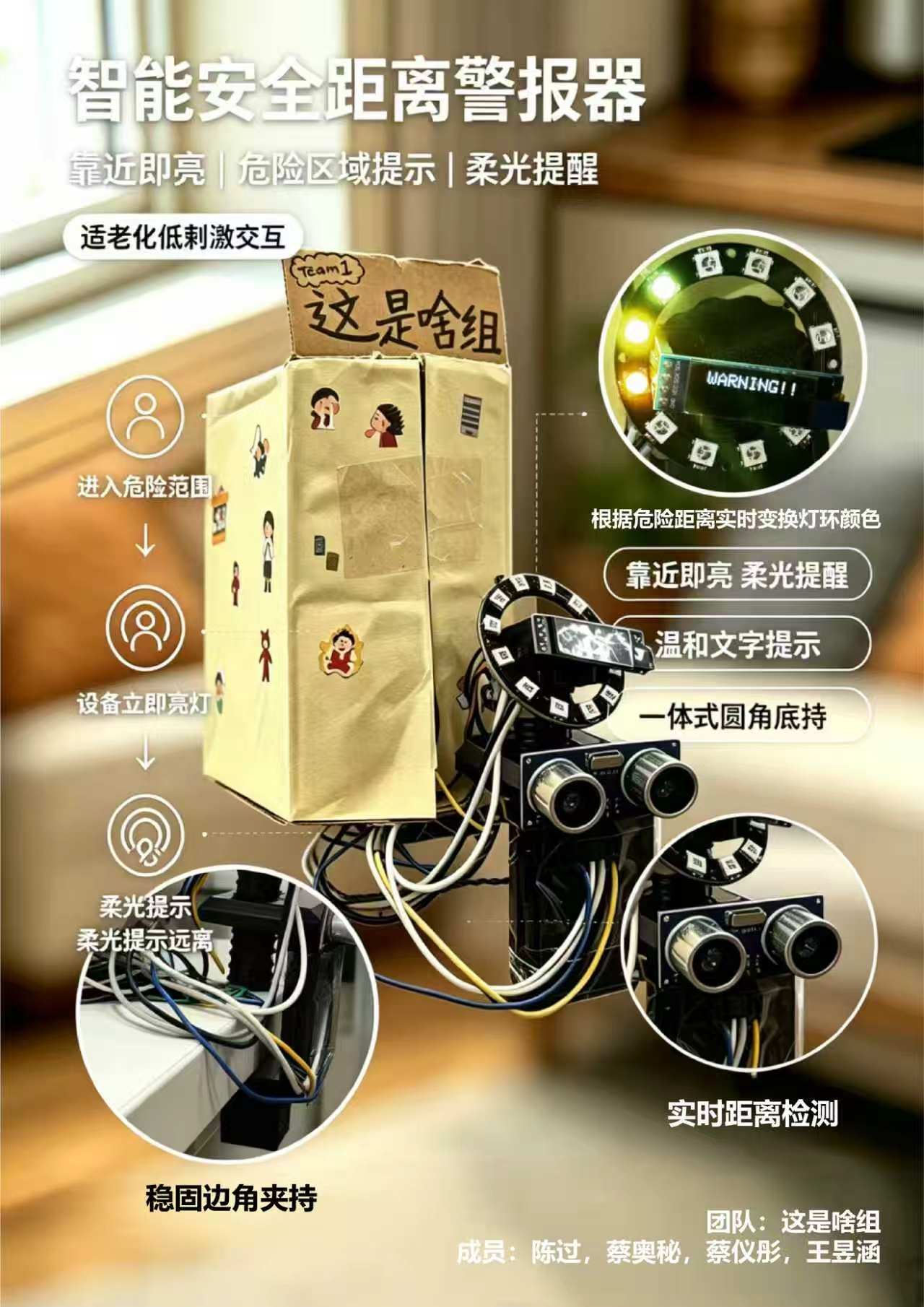
Project Poster

图片 11-10

III

Project Display Board

项目展板

Project Display Board

图片 11-11

IV

Product Positioning & Problem Solved

产品定位与解决的问题

Product Name

Mild Cognitive Impairment (MCI) Home Safety Assistance Device (Cognitive Guardian)

Target Users

Elderly people with mild cognitive impairment or early-stage Alzheimer's disease living at home, as well as their caregivers (family members or professional carers).

Core Pain Points

  • Due to declining cognitive function, seniors often unconsciously approach dangerous areas such as windows, stoves, or balconies, or linger there for extended periods, increasing the risk of falls, burns, or wandering.
  • Traditional security devices (e.g., buzzer alarms) produce harsh sounds that can trigger anxiety, panic, and even worsen the patient's condition.
  • Caregivers cannot provide 24/7 supervision and lack a gentle, timely reminder mechanism.

Our Solution

  • Use an ultrasonic sensor to continuously monitor the distance between the senior and hazardous zones.
  • When the person enters a dangerous distance (e.g., <60 cm) and stays there for over 3 seconds, the device automatically triggers soft gradient lighting + gentle text prompts – a low‑stimulus way to remind the user to move away, while also alerting nearby caregivers.
  • No harsh alarms; the interaction is tailored to the sensory needs of people with cognitive impairment, ensuring both safety and human care.
V

Innovation Highlights

创新亮点

  1. Human‑Centred Sensory Design – Replaces traditional loud buzzers with gentle light + text feedback, avoiding anxiety and fear, and truly matching the psychological and sensory profile of MCI patients.
  2. Zero‑Threshold Deployment – Fixed pin assignments for all connections; no complex debugging; code is ready to upload with only one library (FastLED) required – ideal for student innovation projects.
  3. Compact Integrated Structure – 3D‑printed fully rounded shell (no sharp edges), matte finish to reduce visual distraction; dedicated slots for sensor, LED ring, and display make assembly straightforward.
  4. Smart Dwell‑Time Detection – Not just instantaneous proximity, but a customizable delay (e.g., 3 seconds) to identify actual "lingering" behaviour, minimising false alarms.
  5. Low Cost, High Practicality – Total hardware cost under 100 CNY (approx. 15 USD), yet effectively fills a critical gap in home‑based cognitive care – outstanding cost‑performance and scalability.
VI

Market Analysis

市场分析(同类产品、价格、渠道)

Comparison with Existing Products

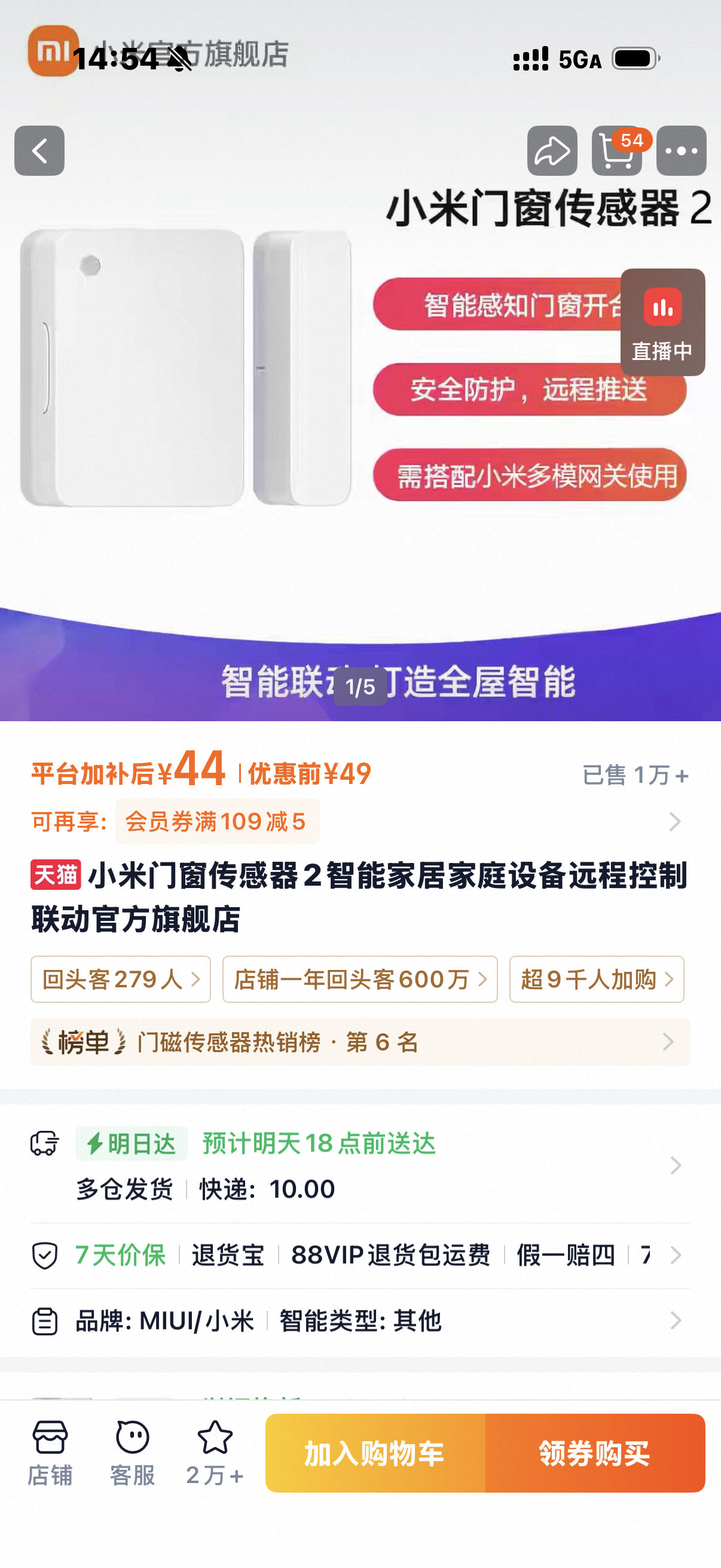
Smart door/window sensor (Xiaomi, Aqara): 50–200 CNY - Only detects open/close, not presence or distance
Smart Door Sensor

图片 40-1

Smart Door Sensor

图片 40-2

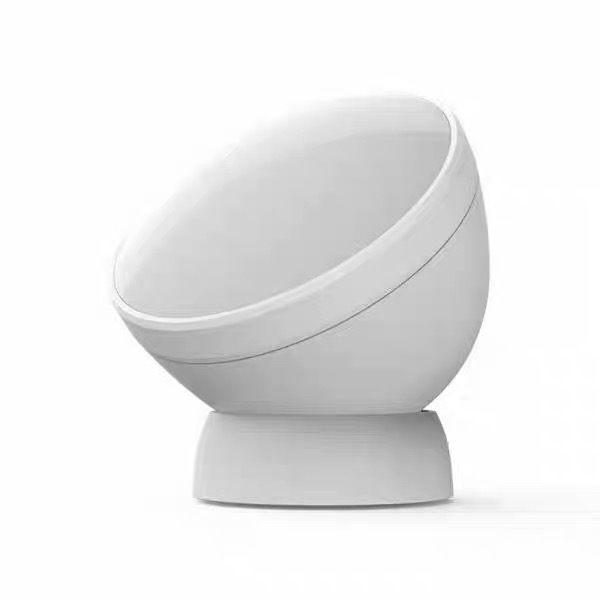
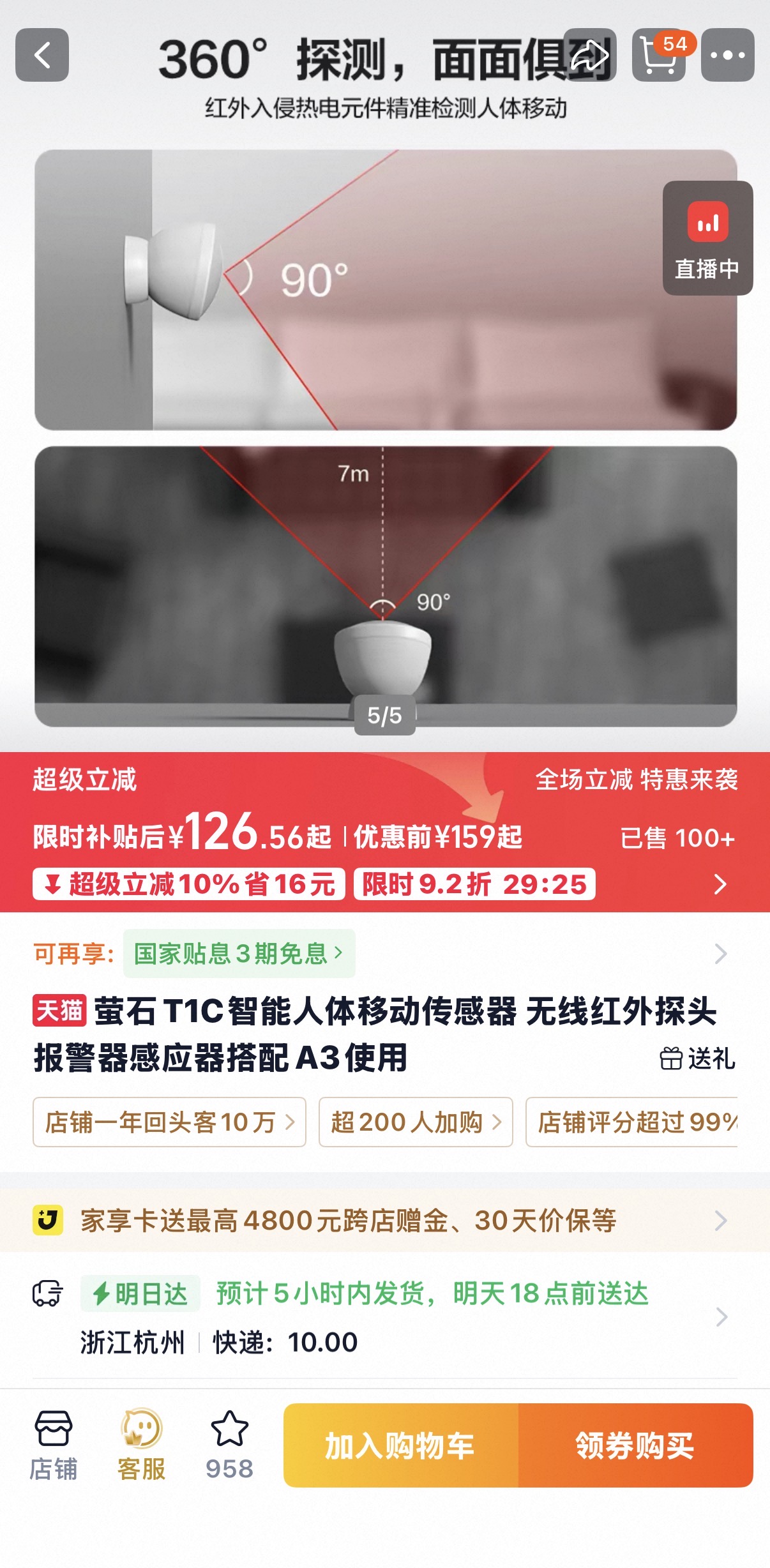
PIR motion sensor (Hikvision, Ezviz): 80–300 CNY - Detects movement only; insensitive to stationary or slow movement
PIR Motion Sensor

图片 40-3

PIR Motion Sensor

图片 40-4

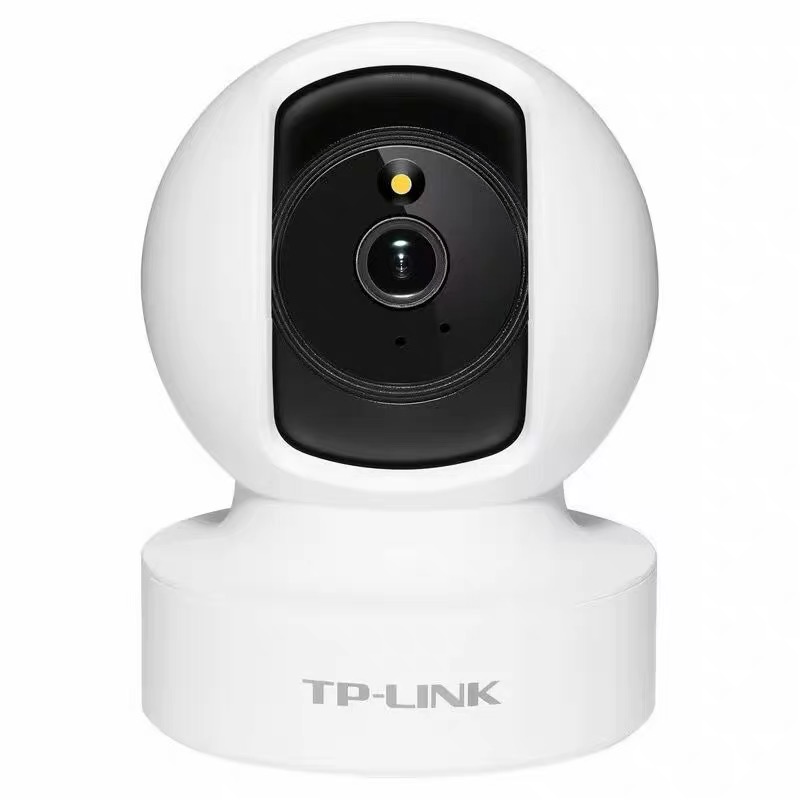
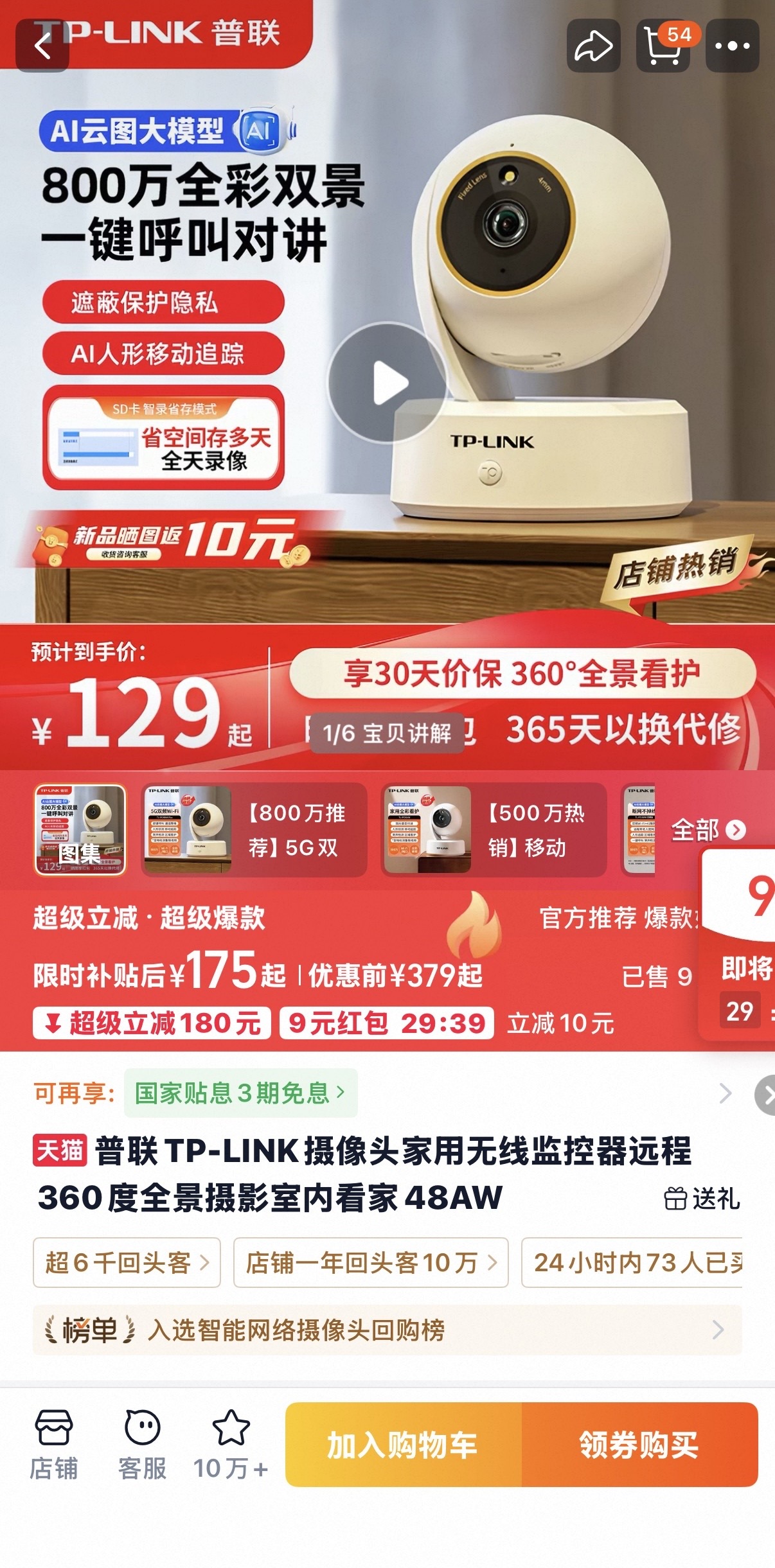
Smart camera with alarm (360, TP‑Link): 200–600 CNY - Privacy concerns, cloud fees, harsh alarm sounds
Smart Camera

图片 40-5

Smart Camera

图片 40-6

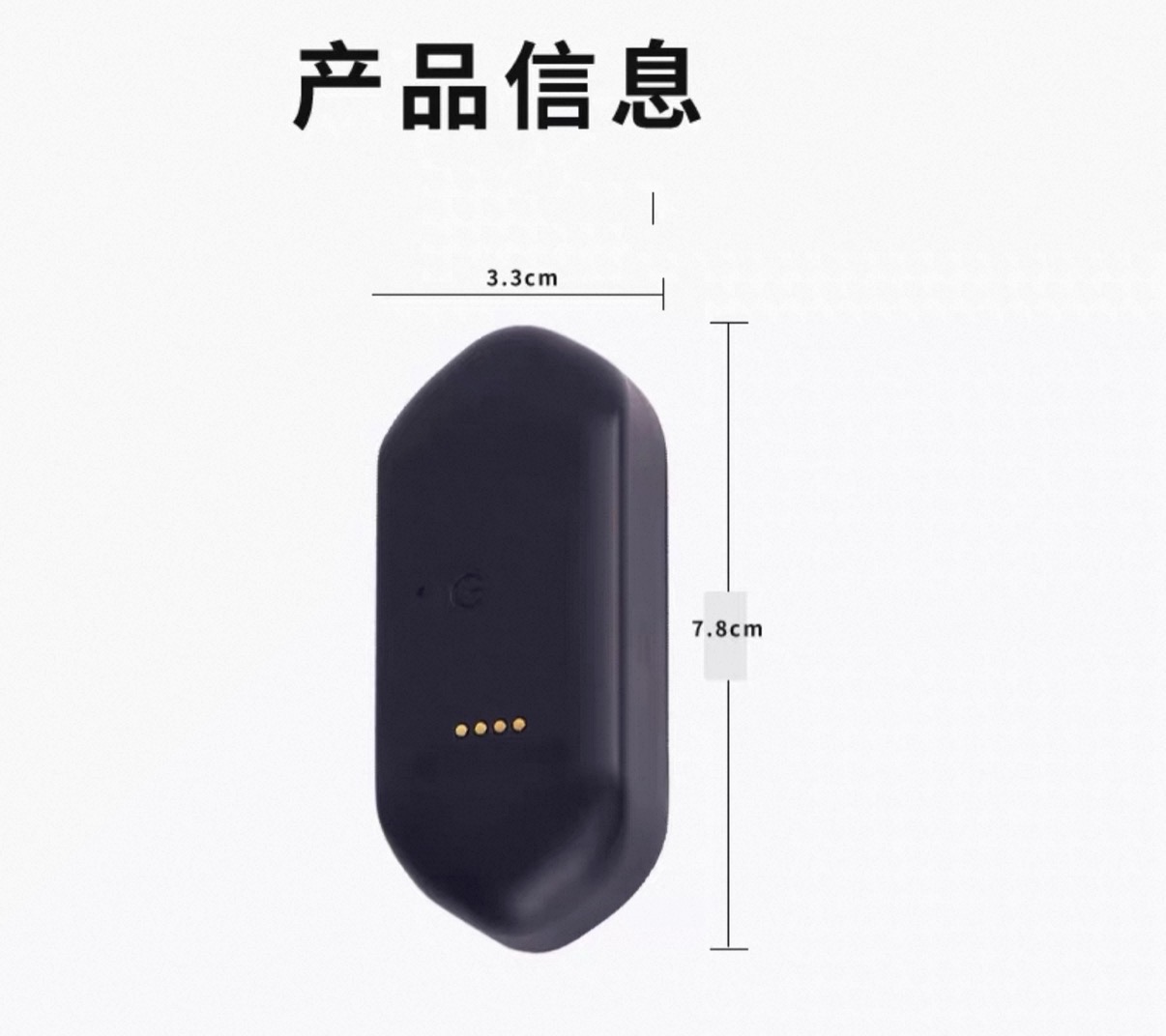
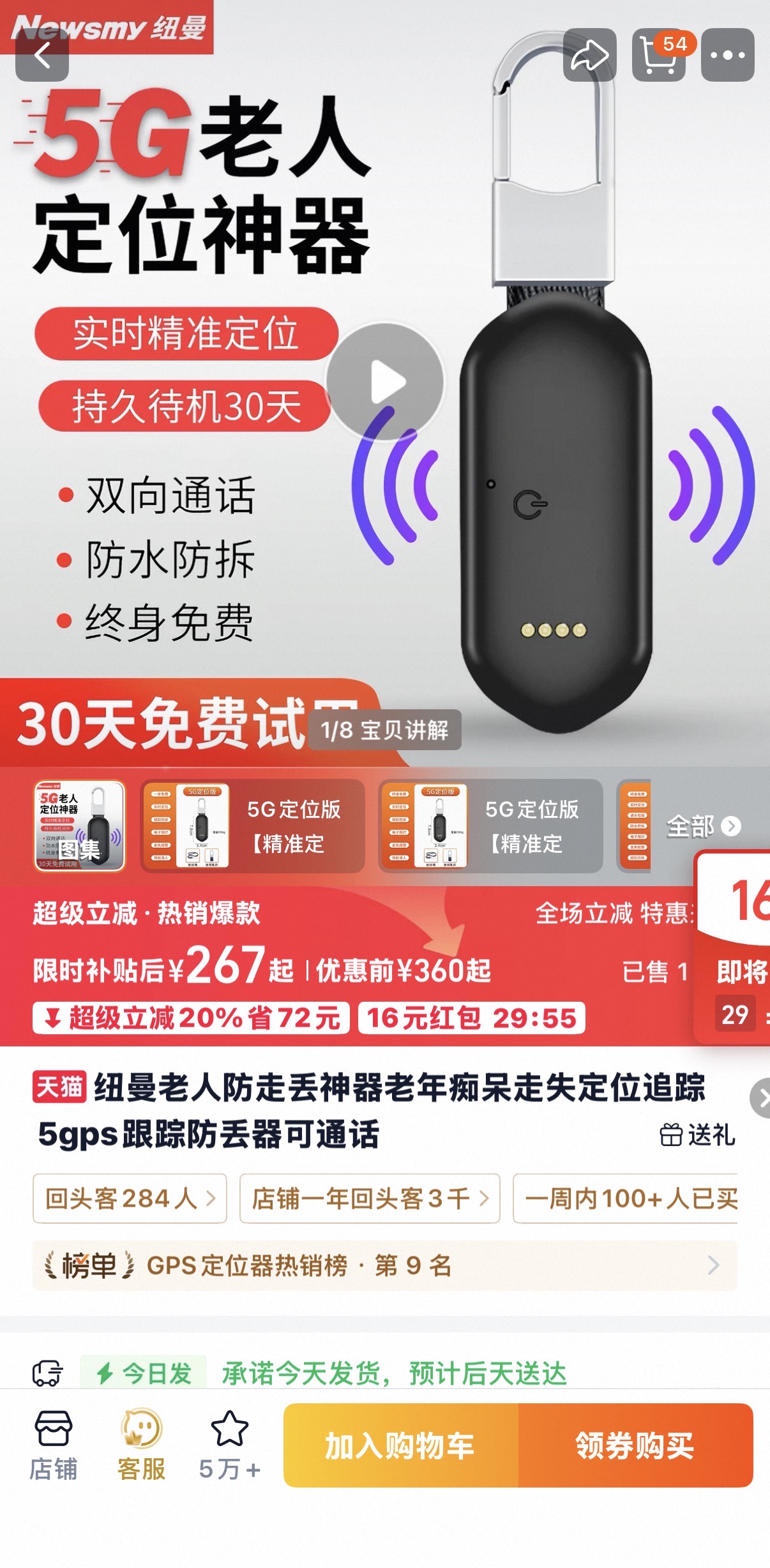
Wearable elderly anti-lost watch (Aikaian, Suoqi): 200–600 CNY - Poor wearing compliance for MCI elderly; easy loss and damage; unable to solve home corner collision and night walking safety risks
Anti-lost Watch

图片 40-7

Anti-lost Watch

图片 40-8

Professional dementia care devices (Imported brands): Thousands to >10,000 CNY - Expensive, complex operation, not suitable for average households
Our Product (Self‑developed DIY solution): ~150–300 CNY (including shell) - Dedicated function, gentle interaction, open‑source, suitable for home trials
Our Product

图片 40-9

Target Pricing

Recommended retail price: 300–500 CNY (~40–70 USD) as a lightweight assistive device, far below medical‑grade alternatives.

With mass production, BOM cost can be reduced to under 80 CNY, leaving healthy margins.

Market Channels

Market Potential

China has approximately 38 million elderly with MCI, and the ageing population continues to grow. Home safety needs are surging, and this product addresses a clear demand with strong differentiation – good market prospects.

VII

Key Technology Analysis & Potential Technical Issues

关键技术分析与潜在技术问题

Core Technologies

  1. Ultrasonic Ranging (HC‑SR04) – Measures distance by sound wave reflection time, with centimetre‑level accuracy. The code uses a fixed sound speed suitable for indoor environments.
  2. LED Ring (WS2812B) – Single‑wire communication (DIN) controls each pixel's RGB colour and brightness, enabling smooth gradients and rotating effects via the FastLED library.
  3. Dwell‑Time Algorithm – Continuously reads distance; if the value stays below the threshold for a set time, the alert state is triggered; otherwise, it returns to safe mode.
  4. Low Power & Stability – Powered by Arduino UNO (5V), total consumption ~5W, suitable for long‑term plug‑in use.

Potential Technical Problems & Solutions

Ultrasonic interference from curtains or reflective surfaces: Adjust mounting angle; avoid facing smooth reflectors; add median filtering or multi‑sample averaging in software
LED brightness may irritate eyes: Reduce HSV brightness and use warm colours (amber, pale yellow)
System freeze after prolonged operation: Add a watchdog timer (built into Arduino) or periodic sensor resets; include error handling in code
Wiring errors causing module damage: Strictly follow "GND first, then VCC, then signal" sequence; use breadboard power rails to avoid reverse connection
OLED I2C address mismatch: Code pre‑sets both 0x3C and 0x3D; serial output will indicate failure for easy troubleshooting
VIII

Materials & Manufacturing Method

材料与制造方法

Component List

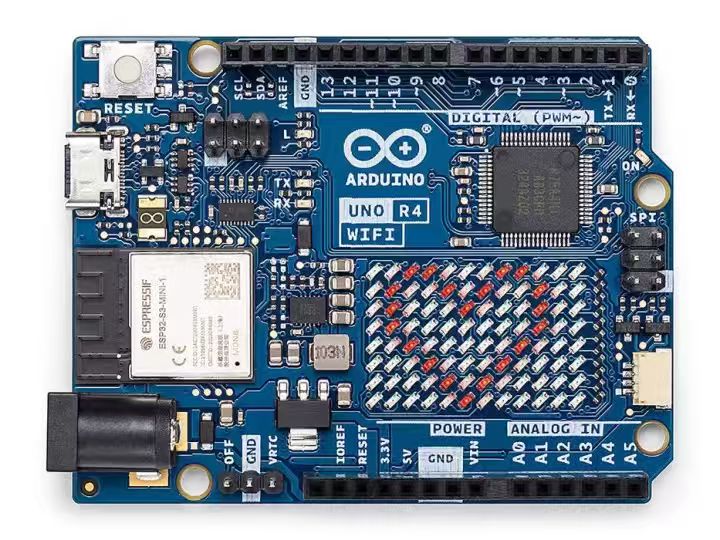
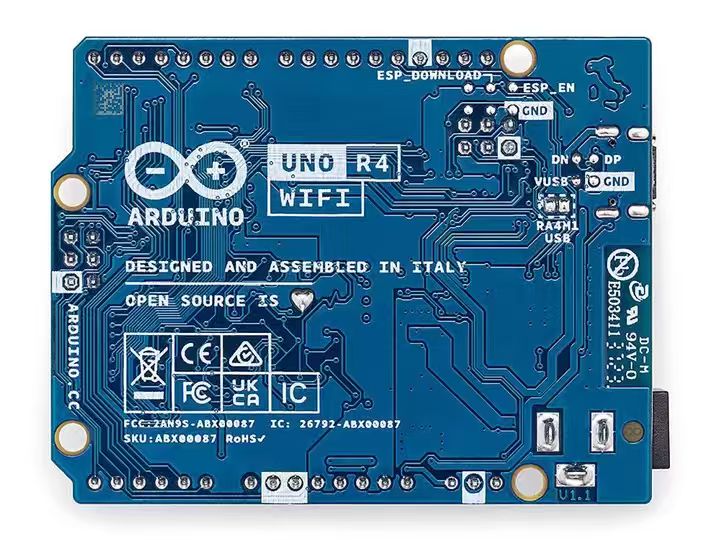
Main board: Arduino UNO R4 - Qty: 1
Arduino UNO R4

图片 11-1

Arduino UNO R4

图片 11-2

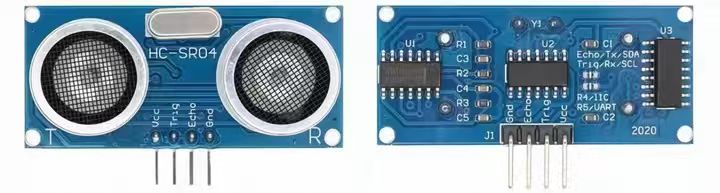
Ultrasonic sensor: HC‑SR04 - Qty: 1
HC-SR04 Ultrasonic Sensor

图片 11-3

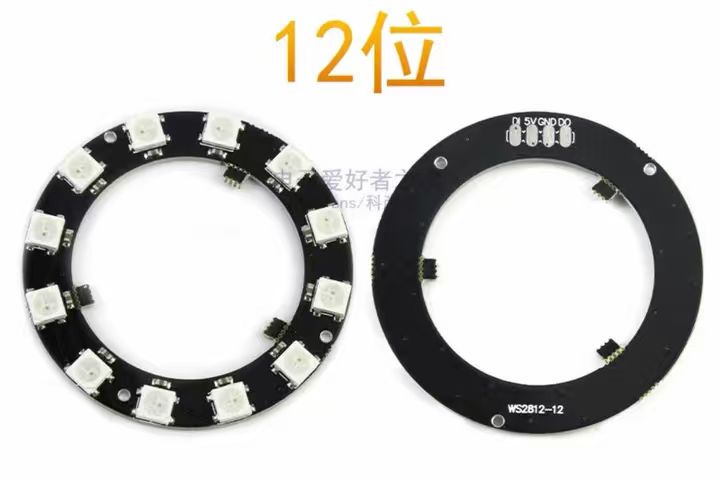
LED ring: WS2812B (12 or 16 LEDs) - Qty: 1
WS2812B LED Ring

图片 11-4

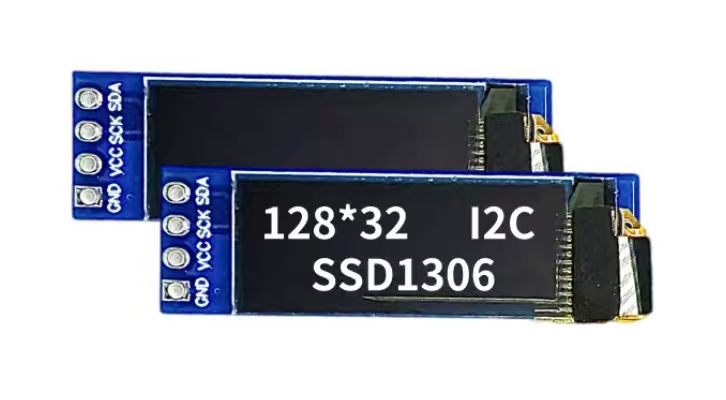
OLED display: 0.91" or 0.96", I2C, 128×32 - Qty: 1
OLED Display

图片 11-5

Breadboard: 400 or 800 holes - Qty: 1
Jumper wires: Male‑to‑male, male‑to‑female - several
Power supply: 5V USB adapter (phone charger) - Qty: 1
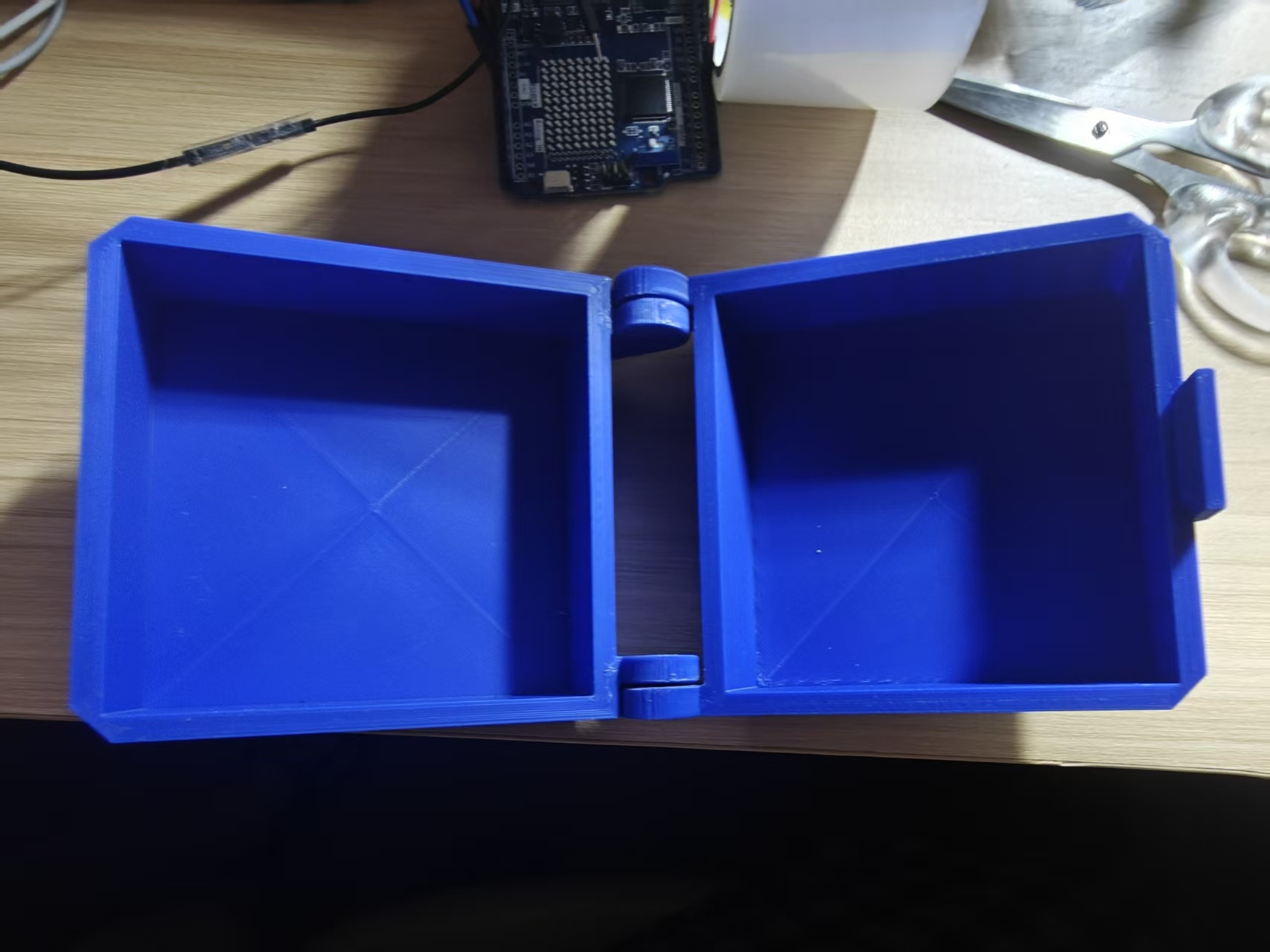
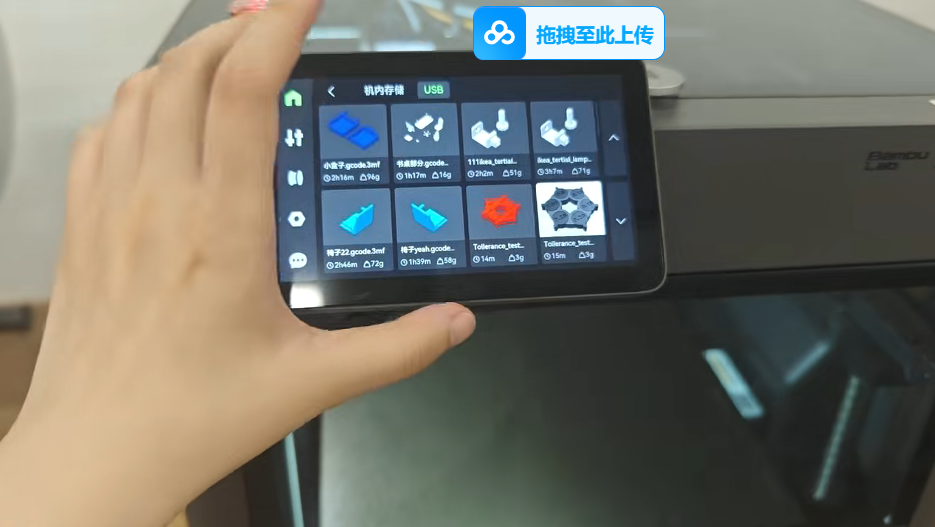
Enclosure: 3D‑printed (PLA filament) - Qty: 1 set
3D Printed Enclosure

图片 11-6

3D Printed Enclosure

图片 11-7

Manufacturing Steps

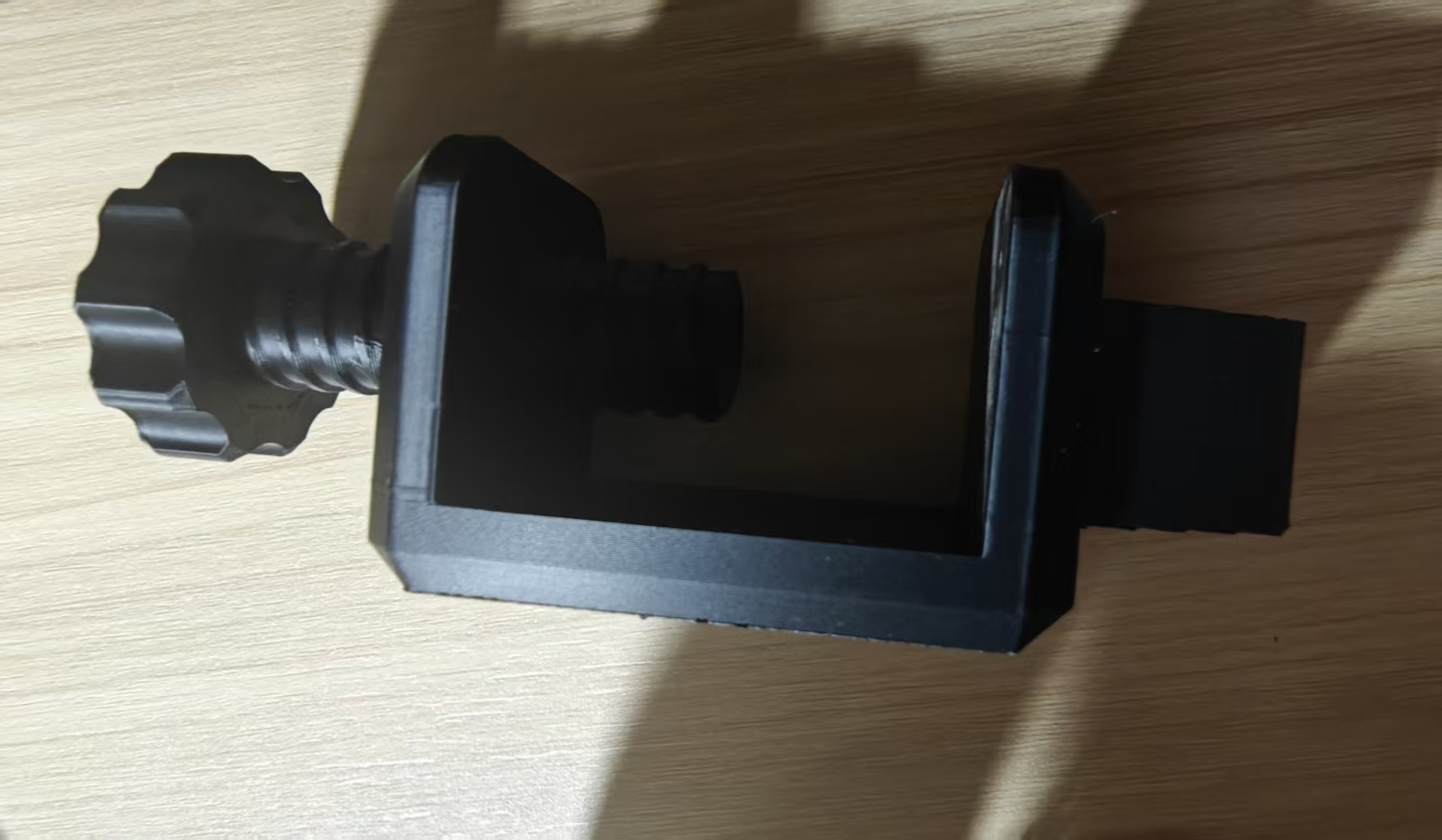
  1. 3D Print the Enclosure: (图片11-13)Print an integrated rounded-corner base shell according to the drawing with overall dimensions (L 80mm × W 60mm × H 40mm). Multiple independent openings are pre-reserved on the shell: exposed probe hole for ultrasonic sensor, mounting slot for ring light strip, external embedding slot for OLED screen, and wiring channels for cables.
    • After printing, polish burrs on shell openings and edges with sandpaper to prevent cable scratches and blockage of sensors & light sources;
    • Check the matching degree of shell snap cover, and reserve sufficient internal space for separate components, breadboard and wiring;
    • Clean dust inside the shell to guarantee enough space for component placement and wiring in later assembly.
3D Printed Enclosure

图片 11-13

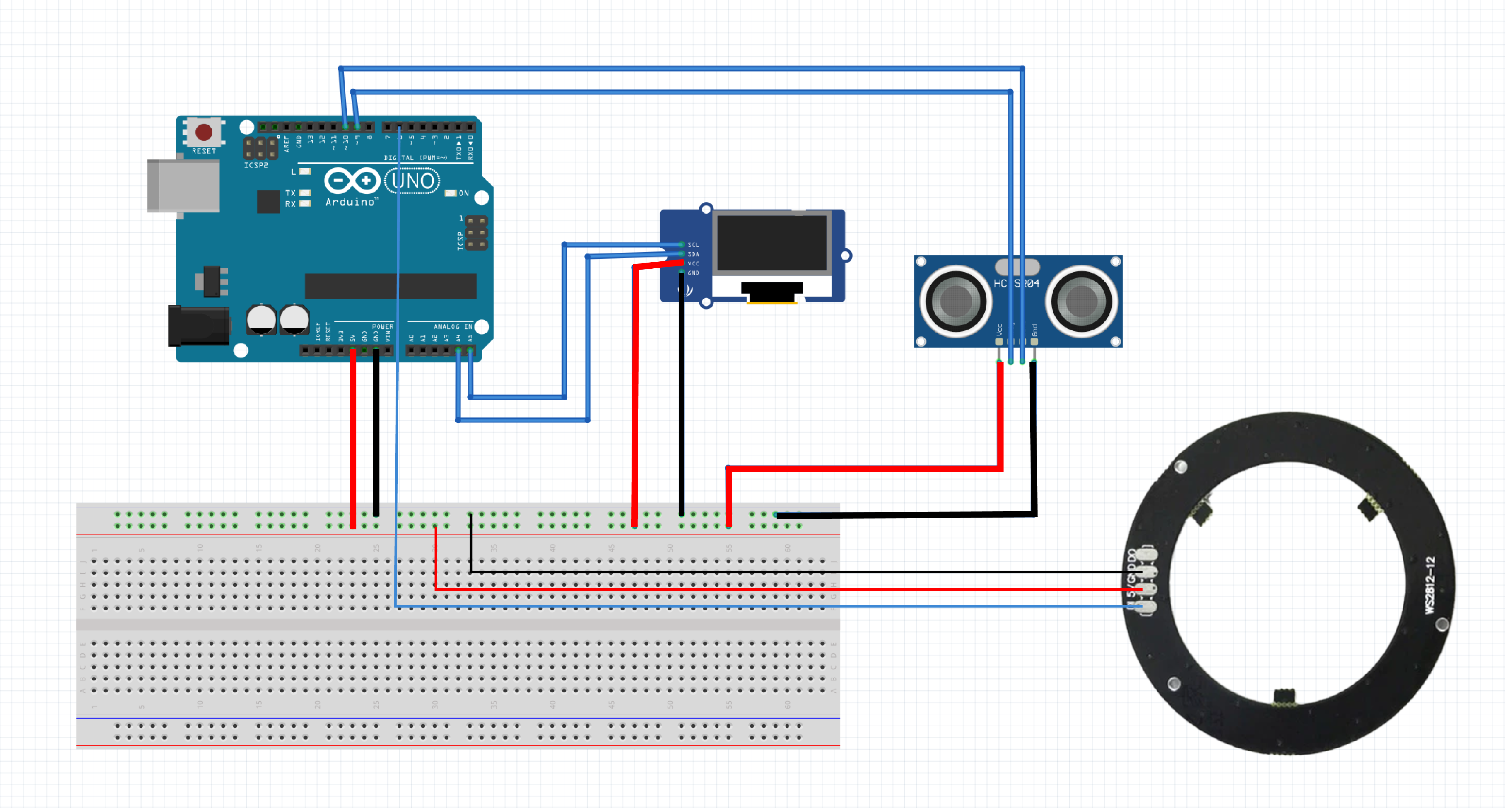
  1. Hardware Wiring: Following the detailed connection guide.
    • Main control power extension: Run wires from 5V and GND pins of Arduino UNO to positive and negative power rails on the breadboard, supplying power to all peripheral modules uniformly;
    • Discrete HC-SR04 ultrasonic ranging module: VCC connects to 5V rail, GND connects to ground rail, Trig signal wire separately links to D9, Echo signal wire separately links to D10;
    • Discrete RGB ring light strip (non-integrated module): VCC connects to 5V rail, GND connects to ground rail, DIN data signal wire separately links to digital pin D6;
    • Discrete I2C OLED display screen: VCC connects to 5V rail, GND connects to ground rail, SCL clock wire separately links to A5, SDA data wire separately links to A4;
Hardware Wiring Diagram

图片 11-8 - Standard Wiring Rules

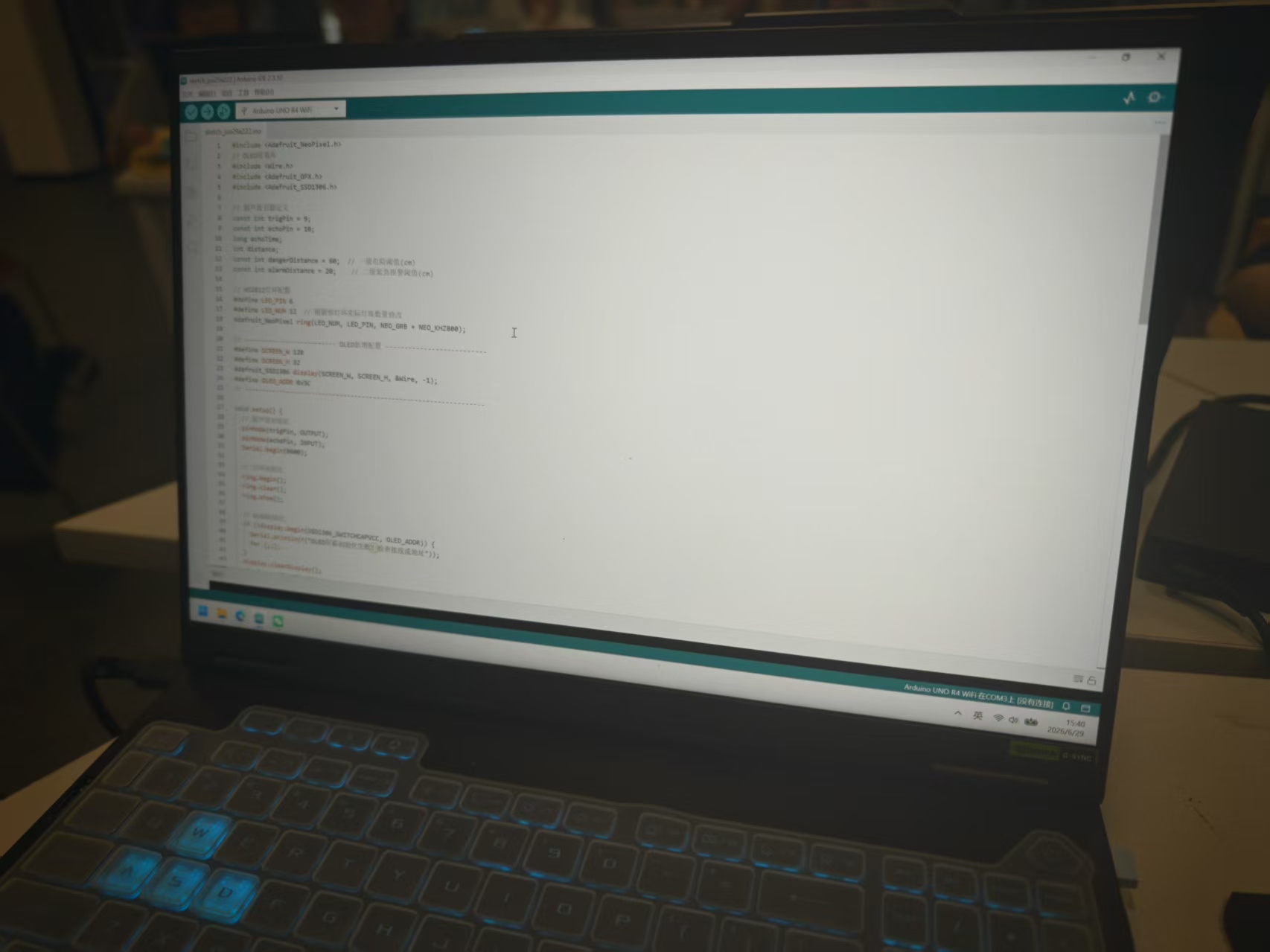
  1. Upload the Code: (图片11-14)
    • Install Arduino IDE; use the Library Manager to install "FastLED" and "Adafruit SSD1306" etc.
    • Copy the provided code; adjust danger distance (default 60 cm) and alarm distance (20 cm) if needed.
    • Upload to Arduino UNO.
Upload Code

图片 11-14

#include <Adafruit_NeoPixel.h>
#include <Wire.h>
#include <Adafruit_GFX.h>
#include <Adafruit_SSD1306.h>

const int trigPin = 9;
const int echoPin = 10;
long echoTime;
int distance;
const int dangerDistance = 60;
const int alarmDistance = 20;

#define LED_PIN 6
#define LED_NUM 12
Adafruit_NeoPixel ring(LED_NUM, LED_PIN, NEO_GRB + NEO_KHZ800);

#define SCREEN_W 128
#define SCREEN_H 32
Adafruit_SSD1306 display(SCREEN_W, SCREEN_H, &Wire, -1);
#define OLED_ADDR 0x3C

void setup() {
  pinMode(trigPin, OUTPUT);
  pinMode(echoPin, INPUT);
  Serial.begin(9600);

  ring.begin();
  ring.clear();
  ring.show();

  if (!display.begin(SSD1306_SWITCHCAPVCC, OLED_ADDR)) {
    Serial.println(F("OLED屏幕初始化失败!检查接线或地址"));
    for (;;);
  }
  display.clearDisplay();
  display.setTextSize(1);
  display.setTextColor(WHITE);
  display.setCursor(0, 0);
  display.println("Distance Detect");
  display.println("System Ready");
  display.display();
  delay(1000);
}

void loop() {
  digitalWrite(trigPin, LOW);
  delayMicroseconds(2);
  digitalWrite(trigPin, HIGH);
  delayMicroseconds(10);
  digitalWrite(trigPin, LOW);

  echoTime = pulseIn(echoPin, HIGH);
  distance = echoTime * 0.034 / 2;

  Serial.print("当前距离:");
  Serial.print(distance);
  Serial.println(" cm");

  display.clearDisplay();
  display.setTextSize(2);
  display.setCursor(0, 0);
  if (distance >= dangerDistance) {
    display.println("SAFE");
  } else if (distance > alarmDistance) {
    display.println("WARNING!");
  } else {
    display.println("DANGER!!");
  }
  display.display();

  if (distance >= dangerDistance) {
    ring.clear();
    ring.show();
  } else if (distance > alarmDistance) {
    variableSpeedRotate(distance);
  } else {
    policeRedFlash();
  }

  delay(50);
}

void variableSpeedRotate(int dist) {
  int rotateDelay = map(dist, alarmDistance + 1, dangerDistance, 5, 35);
  uint32_t color;
  for (int i = 0; i < LED_NUM; i++) {
    ring.clear();
    color = ring.ColorHSV((i * 65536L / LED_NUM), 255, 255);
    ring.setPixelColor(i, color);
    ring.setPixelColor((i + 1) % LED_NUM, ring.ColorHSV(((i + 1) * 65536L / LED_NUM), 255, 180));
    ring.show();
    delay(rotateDelay);
  }
}

void policeRedFlash() {
  for(int i=0; i<LED_NUM; i++){
    ring.setPixelColor(i, ring.Color(255,0,0));
  }
  ring.show();
  delay(80);
  ring.clear();
  ring.show();
  delay(80);
}
  1. Assembly & Testing:
    • Place the ultrasonic sensor, RGB ring light strip and OLED screen separately in designated areas inside the shell. Only the sensor probe, light body and screen panel are exposed through external openings; component bodies are suspended inside the shell instead of being clamped into shell slots;
    • No-load power-on test: When no objects approach the sensor, the device stays in low-power standby mode. The OLED screen displays normal standby interface and the light strip remains off;
    • Function trigger test: Slowly move your hand toward the sensor detection area. Check whether the RGB ring light strip plays colorful rotating warning light animations, and whether the WARNING!! anti-collision alert text pops up synchronously on the OLED screen;
    • Parameter calibration: Repeat tests at different distances and dwell durations, modify distance threshold and timing parameters in code to eliminate false and missed triggers, adapting the device to household table corner scenarios.
  2. Final Fixing:
    • After stable function verification, fix each discrete component independently with low-temperature hot melt adhesive and traceless double-sided tape to avoid wire detachment and component displacement caused by device shaking;
    • Sort all cables, store excess long wires inside shell wiring channels, and separate power wires and signal wires to prevent cable tangling from blocking sensors and light sources;
    • Fasten the snap-on cover of the shell to fully enclose the whole device;
    • Aging test of finished product: Keep powered on continuously for 30 minutes, repeat approaching & leaving trigger operations multiple times. The lighting, screen and ranging functions work normally without abnormality, marking the completion of the whole production process.
IX

Alignment with Sustainable Development Goals (SDGs)

与联合国可持续发展目标的契合

This elderly-friendly corner induction anti-collision night light project closely aligns with 3 Sustainable Development Goals and 6 official secondary targets, focusing on elderly home safety, inclusive aging services, and affordable public well-being improvement.

SDG 3 – Good Health and Well-being

SDG 3

图片 70-1

Target 3.4

By 2030, reduce by one third premature mortality from non-communicable diseases through prevention and treatment and promote mental health and well-being.

This product effectively prevents elderly falls, collisions, and secondary physical injuries caused by night wandering. It reduces the risk of fracture, long-term bedridden conditions, and chronic disease deterioration. Meanwhile, soft light induction without harsh alarms avoids emotional stimulation, protecting the mental stability and well-being of elderly users, especially those with mild cognitive impairment.

Target 3.8

Achieve universal health coverage, including financial risk protection, access to quality essential health-care services and access to safe, effective, quality and affordable essential medicines and technologies for all.

The project provides low-cost, accessible home safety protection equipment for ordinary families. Compared with expensive professional elderly monitoring devices, this affordable assistive technology realizes grassroots home health risk prevention, supplements family elderly care protection systems, and supports universal health coverage at the household level.

SDG 11 – Sustainable Cities and Communities

SDG 11

图片 70-2

Target 11.2

By 2030, provide access to safe, affordable, accessible and sustainable transport systems for all, improving road safety, notably by expanding public transport, with special attention to the needs of those in vulnerable situations, older persons and persons with disabilities.

Extending safe barrier-free travel scenarios from public roads to indoor home environments, the product eliminates hidden collision dangers at household corners. It optimizes indoor walking safety for elderly and vulnerable groups and builds inclusive indoor "safe mobility" environments suitable for aging populations.

Target 11.3

By 2030, enhance inclusive and sustainable urbanization and capacity for participatory, integrated and sustainable human settlement planning and management in all countries.

The product supports community aging-friendly renovation and residential environment upgrading. It can be popularized in old communities, community elderly care centers and home-based elderly care scenarios, helping cities achieve more inclusive, age-friendly and sustainable urban settlement development.

Target 11.7

By 2030, provide universal access to safe, inclusive and accessible, green and public spaces, in particular for women and children, older persons and persons with disabilities.

The project optimizes private family living spaces and public elderly activity spaces such as day-care centers and nursing homes. It builds safer, barrier-free and inclusive living environments specifically for elderly groups, fulfilling the requirement of equitable and accessible public living spaces for vulnerable groups.

SDG 17 – Partnerships for the Goals

SDG 17

图片 70-3

Target 17.17

Encourage and promote effective public, public-private and civil society partnerships, building on the experience and resourcing strategies of partnerships.

The project adopts a multi-stakeholder promotion model, cooperating with community elderly care stations, rehabilitation institutions (public sectors), e-commerce platforms and content marketing channels (private sectors), and elderly care associations (civil society). The cross-domain partnership mechanism accelerates the popularization of aging-friendly public welfare products and promotes sustainable social elderly care development.