Exercise 5: 3D Printing
Practical Application and Case Study of 3D Printing Technology
I. Research or Applications
Case 1:
3D Emotion Dice - Helping Autistic Children Recognize and Express Emotions
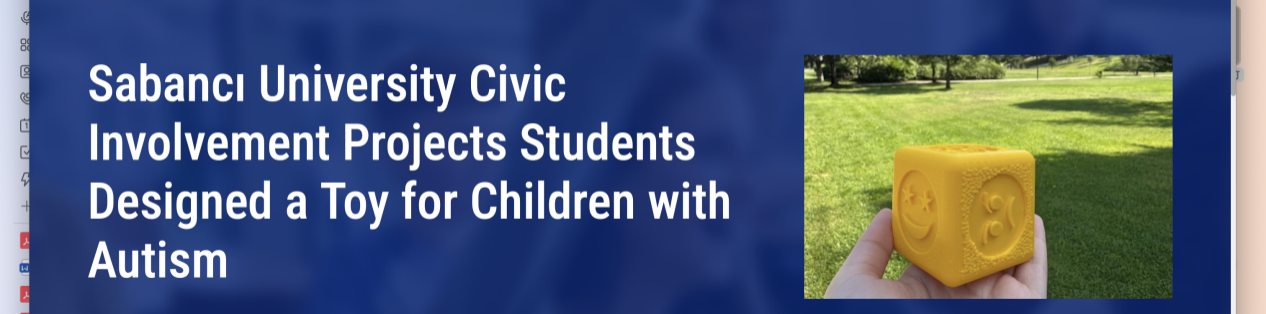
This is a 3D printed toy developed by a student team at Sabancı University in Turkey during the Spring 2025 semester, aimed at supporting emotional cognitive abilities in autistic children. What makes this project special is that the design process involved autism expert and psychologist Begüm Kobanbay as a consultant, ensuring the product truly meets the needs of target users.
Design Background: Student team leader Birsen Beril Bildirici learned about toy cases developed specifically for special needs children at an international workshop, and was inspired to bring this idea back to implement in the CIP course.
Core Concept: Expert consultant Kobanbay pointed out that for children on the autism spectrum, recognizing and expressing their own and others' emotions often requires special effort. Many studies use two-dimensional visual materials (such as pictures and cards) to assist in this process, but the addition of three-dimensional objects can transform children from "bystanders" into "active participants"—this is precisely the design goal of the 3D emotion dice.
Production Method: The dice were 3D printed at Sabancı University's CoSpace (Collaborative Space) makerspace. This tool will be used in various activities conducted with autistic children under the CIP framework.
This case demonstrates that even products with simple structures (like dice), as long as the design logic is correct—transforming abstract "emotion" concepts into tangible, manipulable physical objects—they can become effective intervention tools. 3D printing makes such customized production possible.
Case 2:
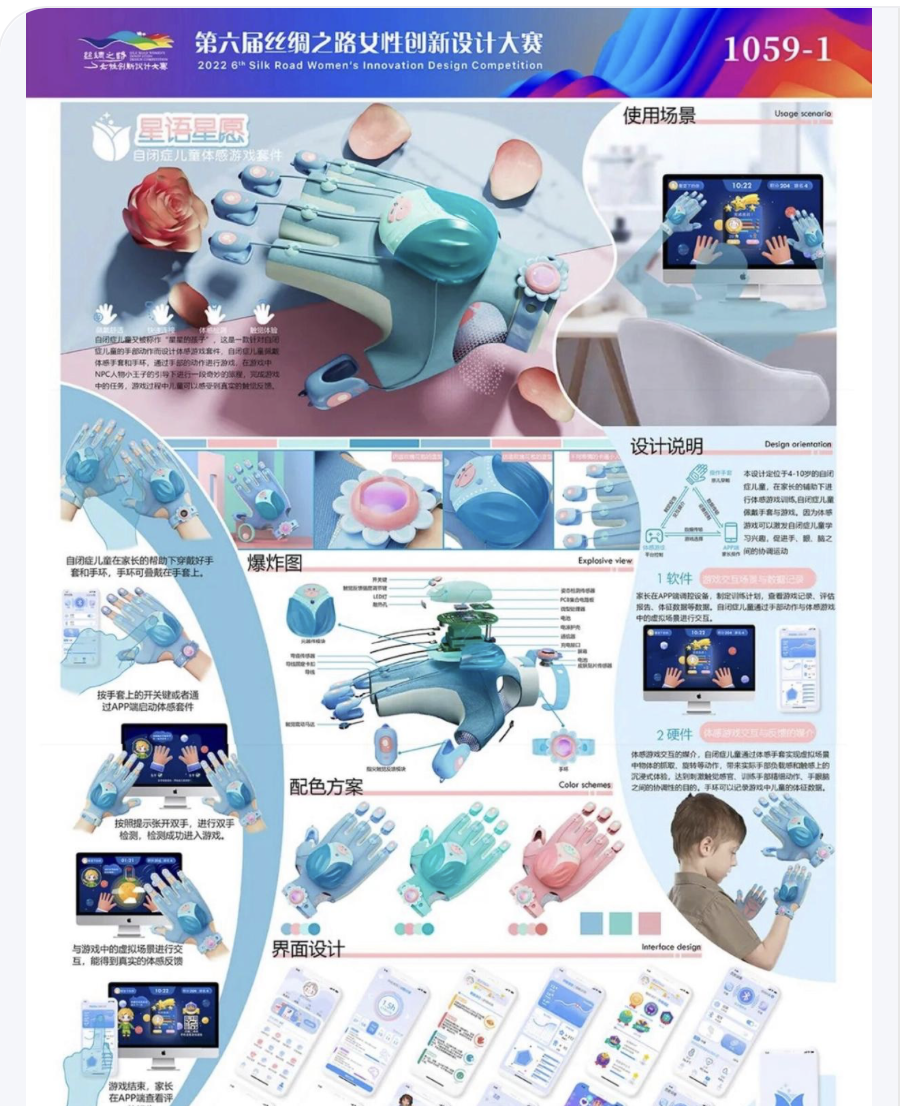
This is a haptic game training kit designed for hand movement training in autistic children, consisting of gloves and a wristband. The wristband screen displays device status and records physiological data such as heart rate and blood oxygen levels during gameplay. Autistic children achieve grasping and rotating actions in virtual scenes through the haptic gloves. When worn, there is actual hand load sensation, enabling precise capture of children's hand movements during gameplay. The gloves have multiple built-in haptic feedback vibration points, providing realistic virtual tactile experiences, especially with fingertip tactile feedback components in areas sensitive to touch, giving children an immersive gaming experience. In terms of appearance design, bionic design was adopted, imitating the form, color, and imagery of rose buds. The haptic glove serves as the medium for haptic game interaction, containing bend sensors that monitor finger bending degrees. The gloves can precisely capture children's hand movements during gameplay and evaluate training effectiveness based on movement stability and accuracy.
Source:https://mbd.baidu.com/newspage/data/dtlandingsuper?nid=dt_4681713730090665528&sourceFrom=search_a
II. 3D Printing Tests
Test Piece 1:
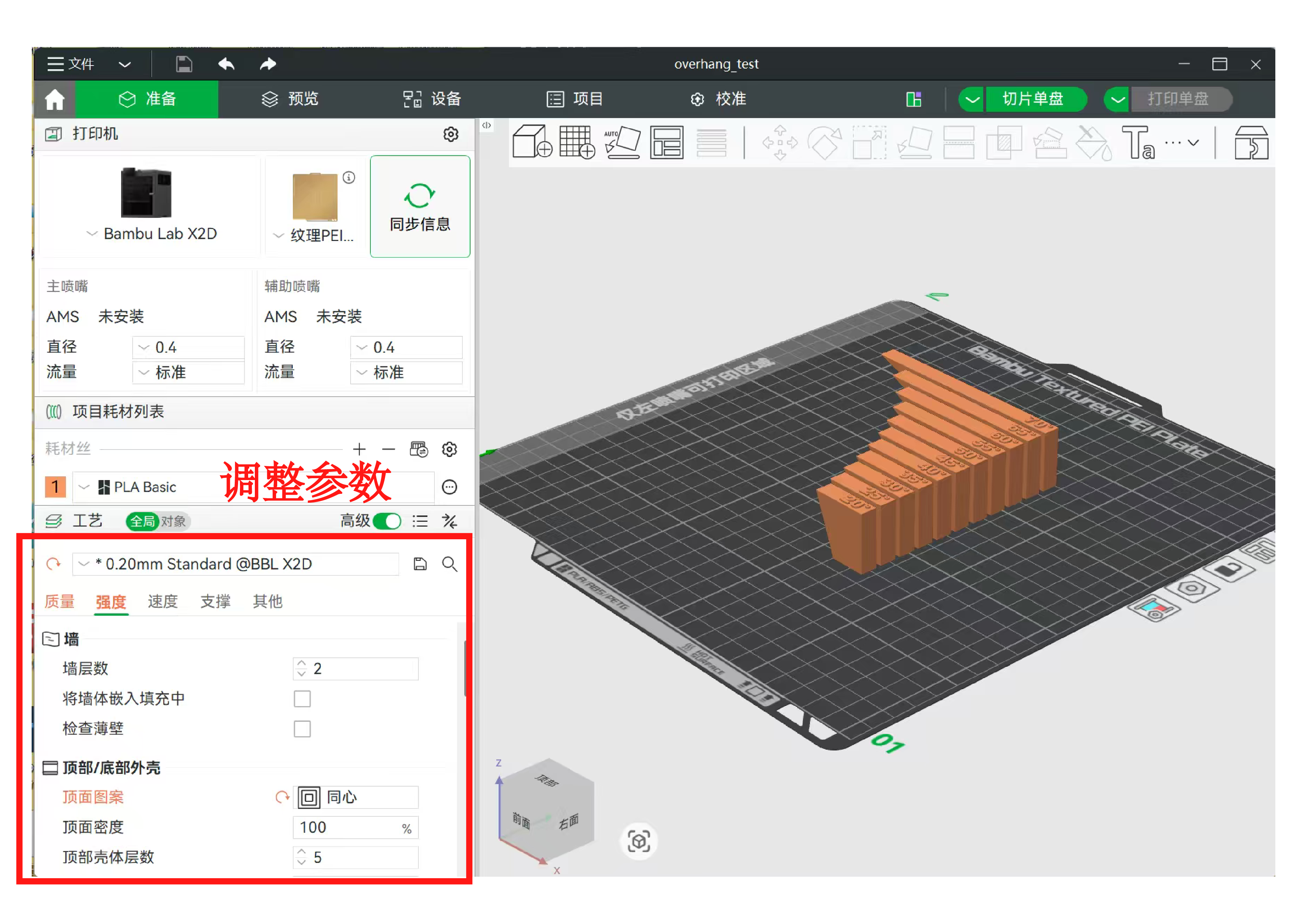
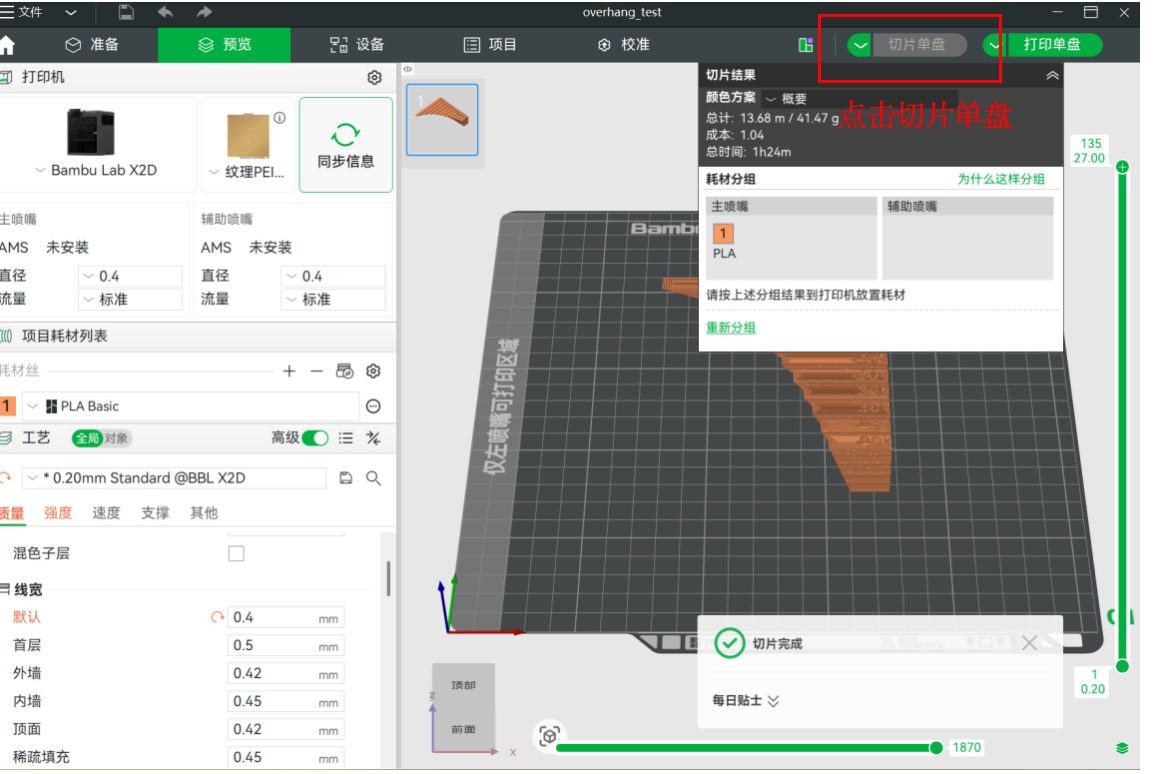
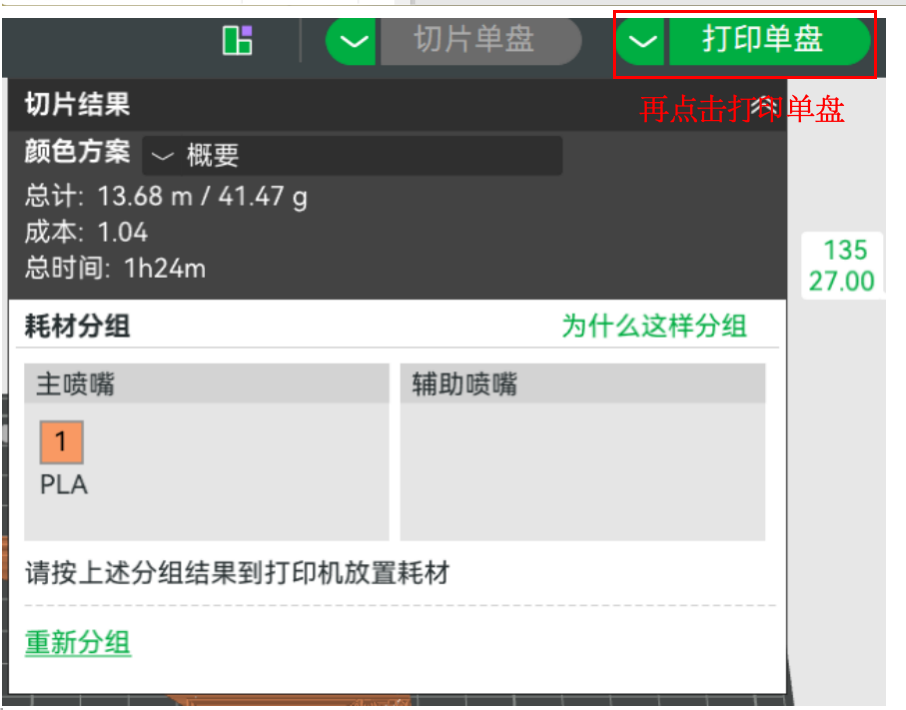
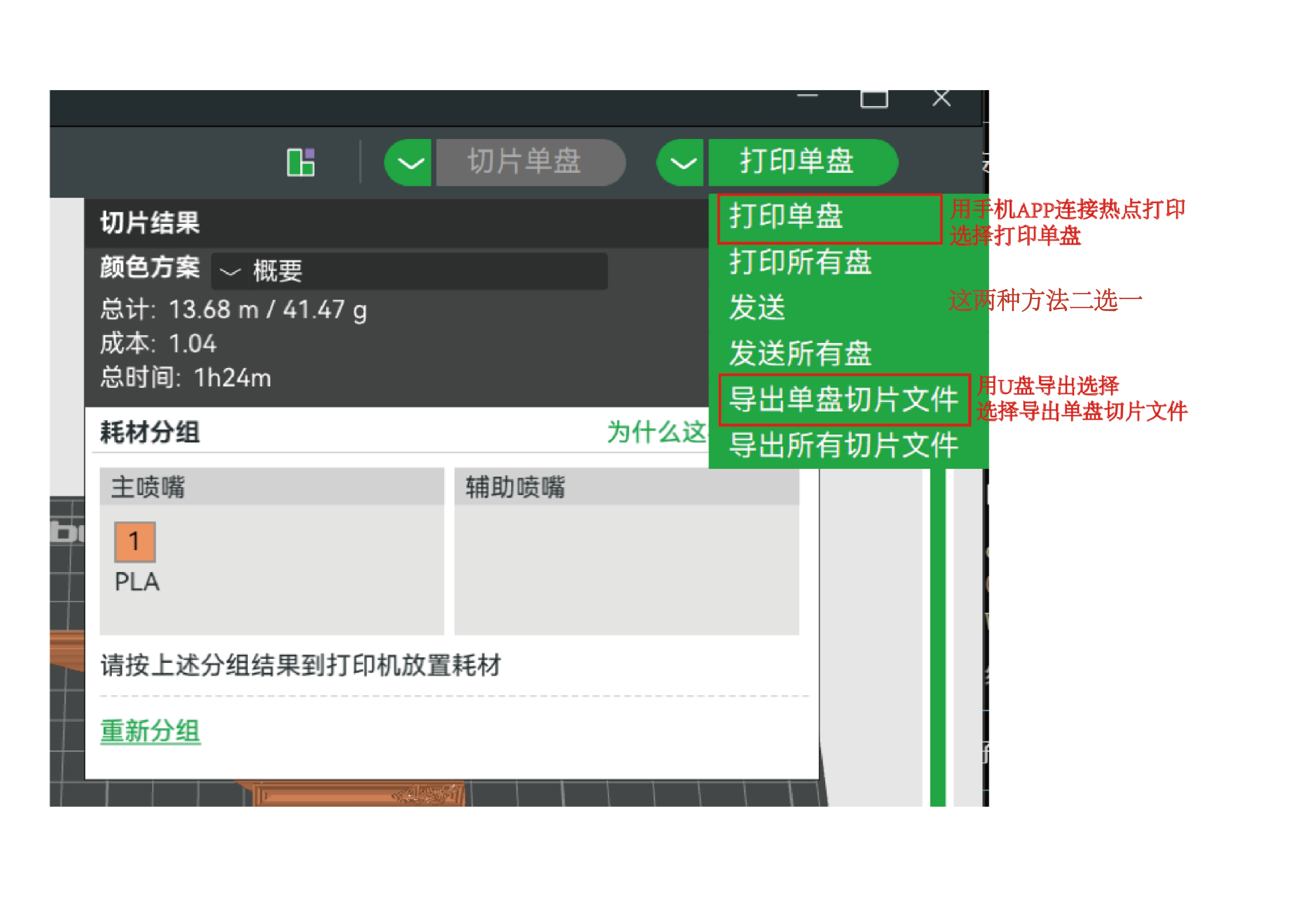
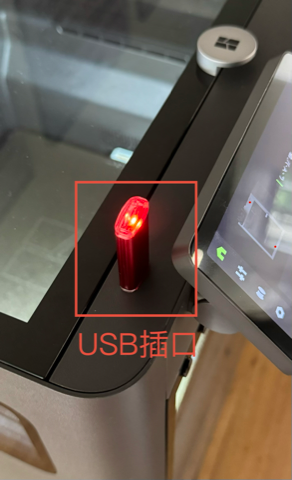
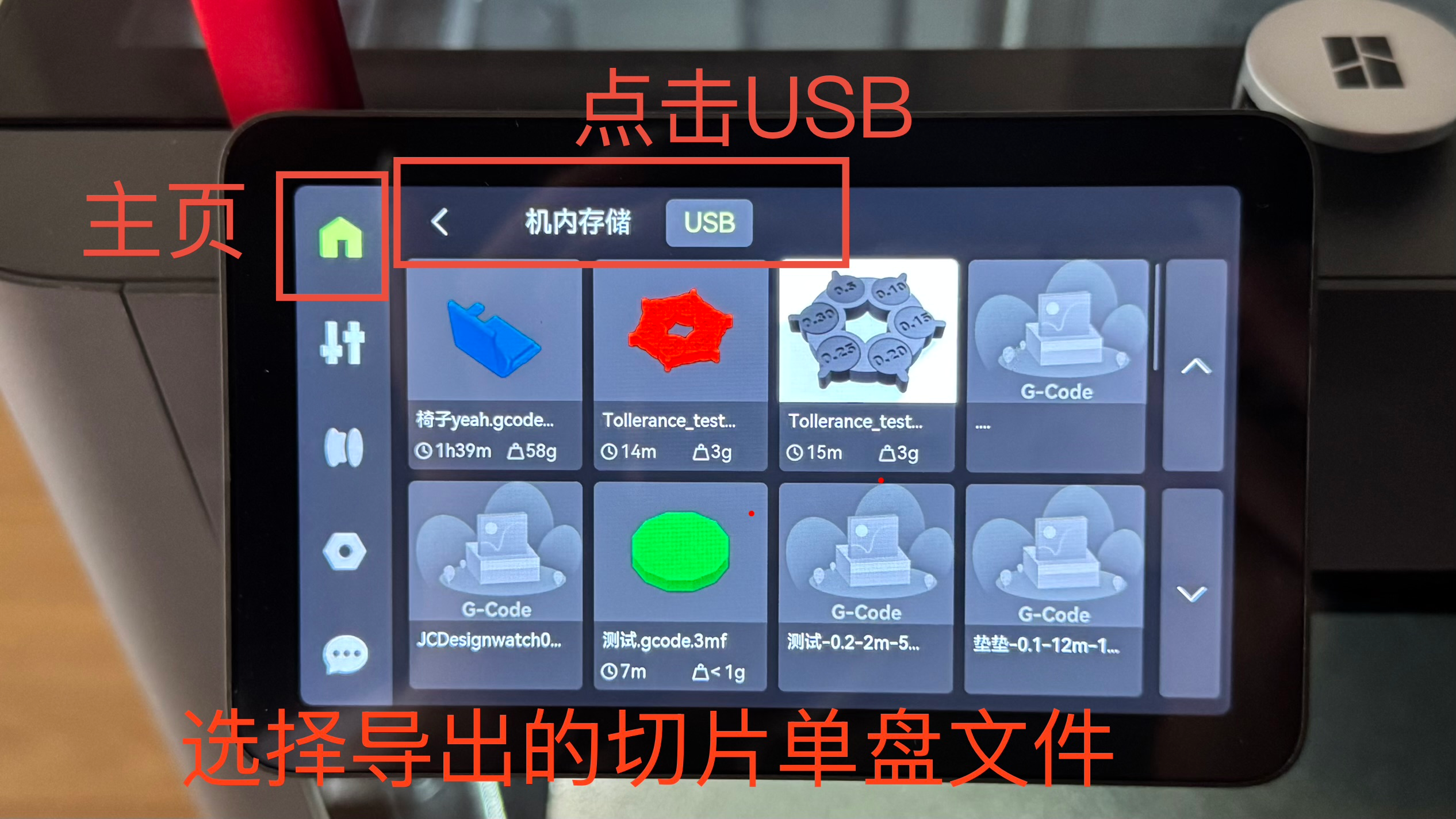
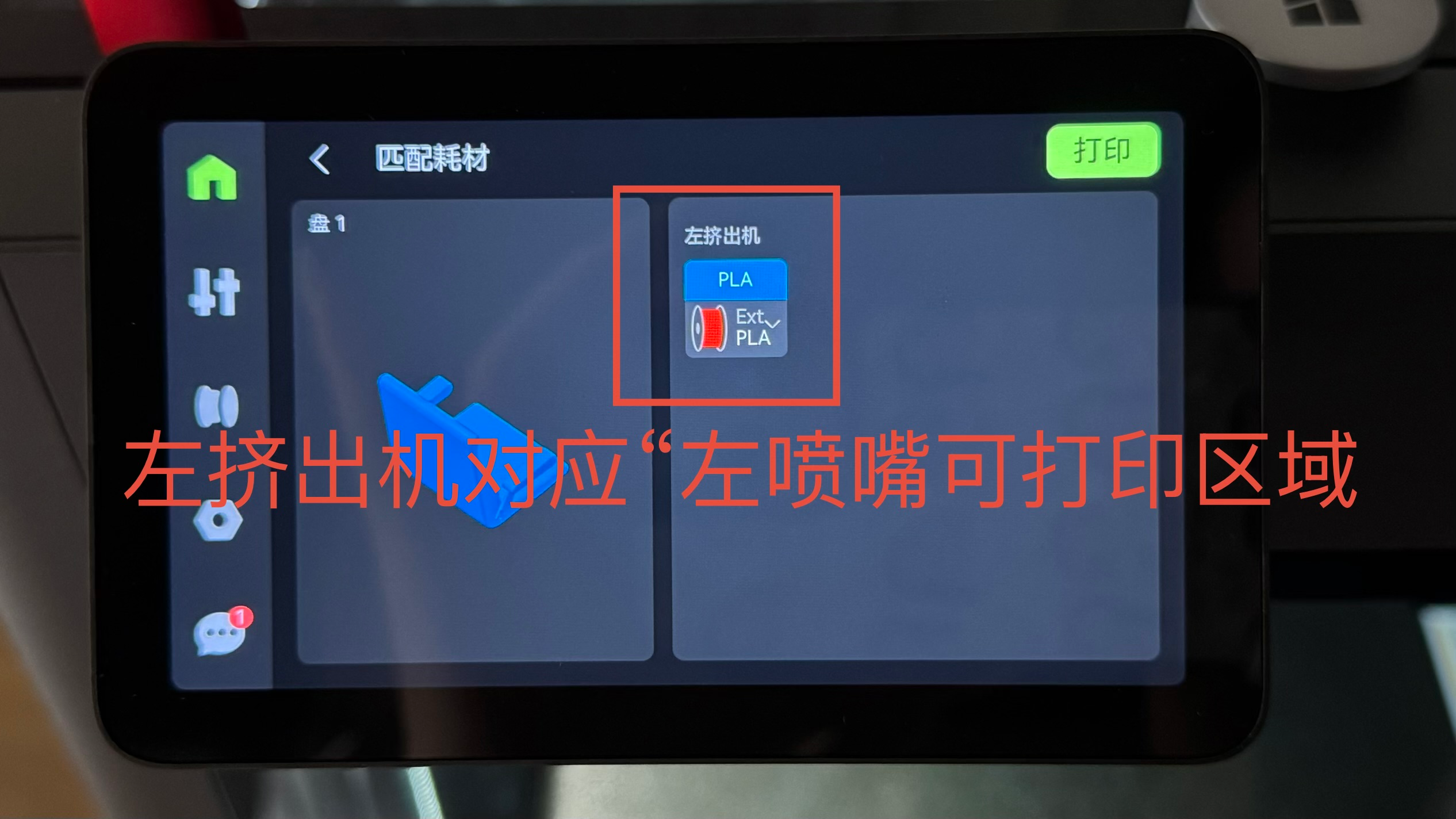
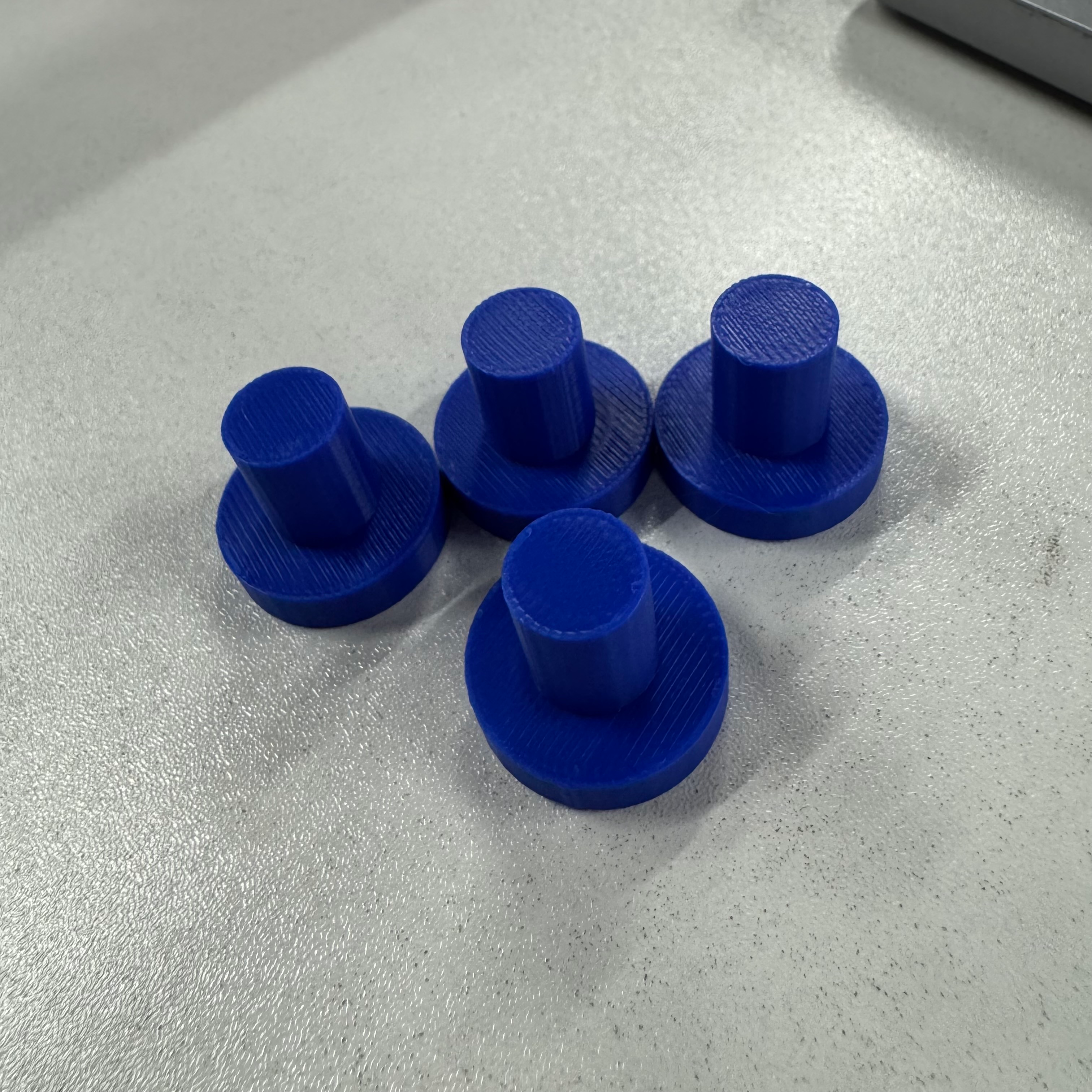
Note: Due to lack of detailed photos from previous tests, these are supplementary photos (blue chair represents test software)
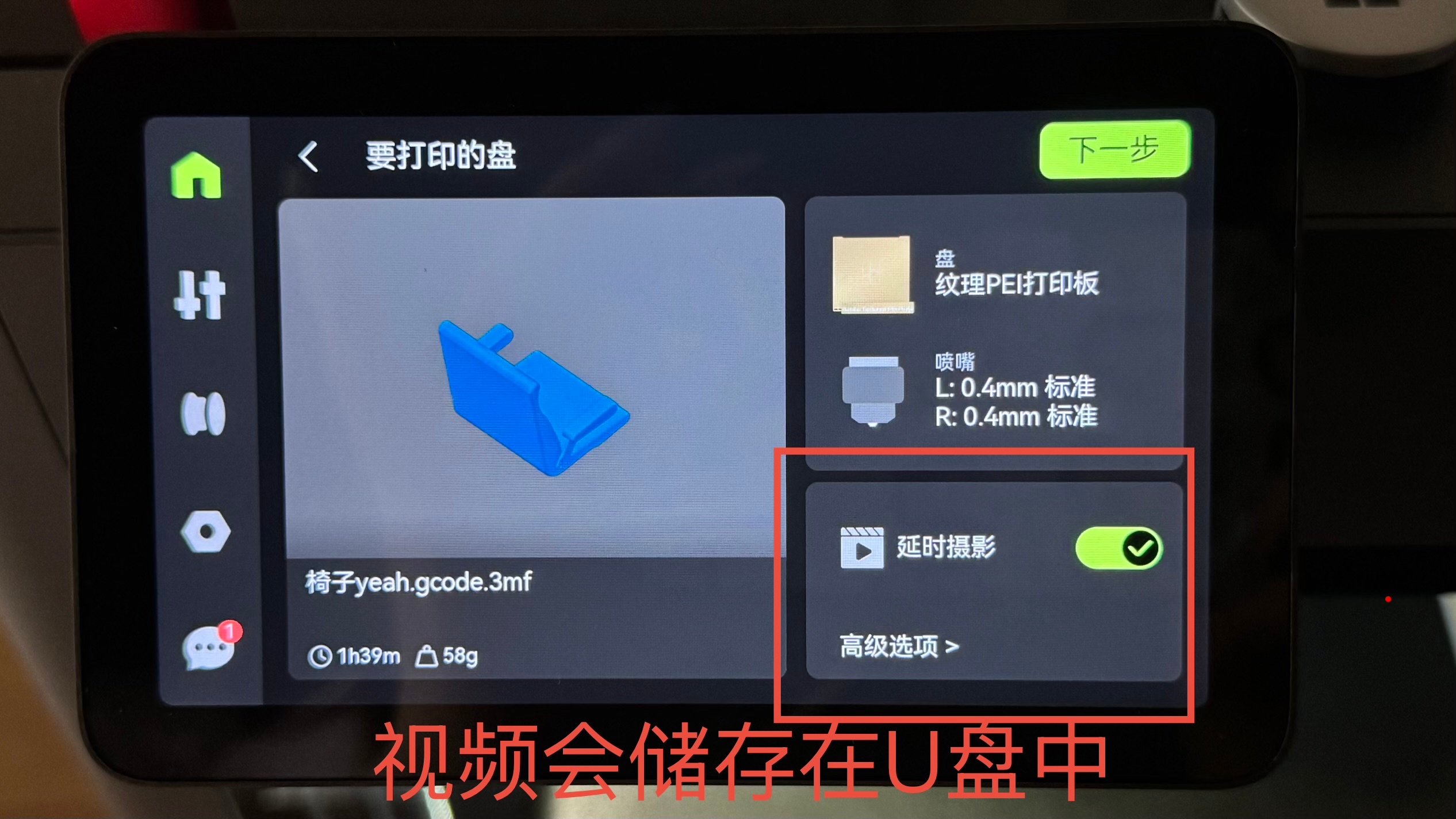
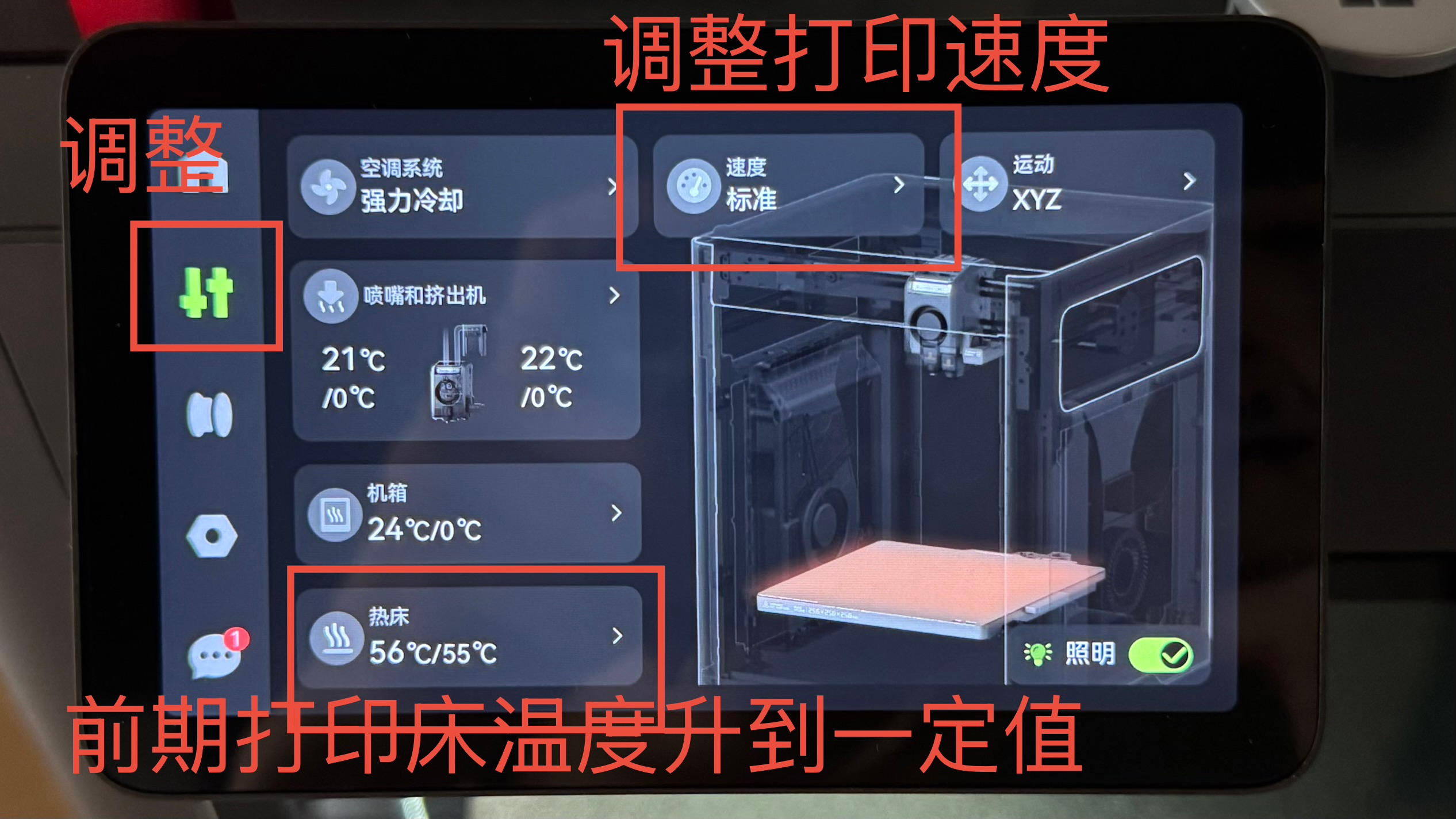
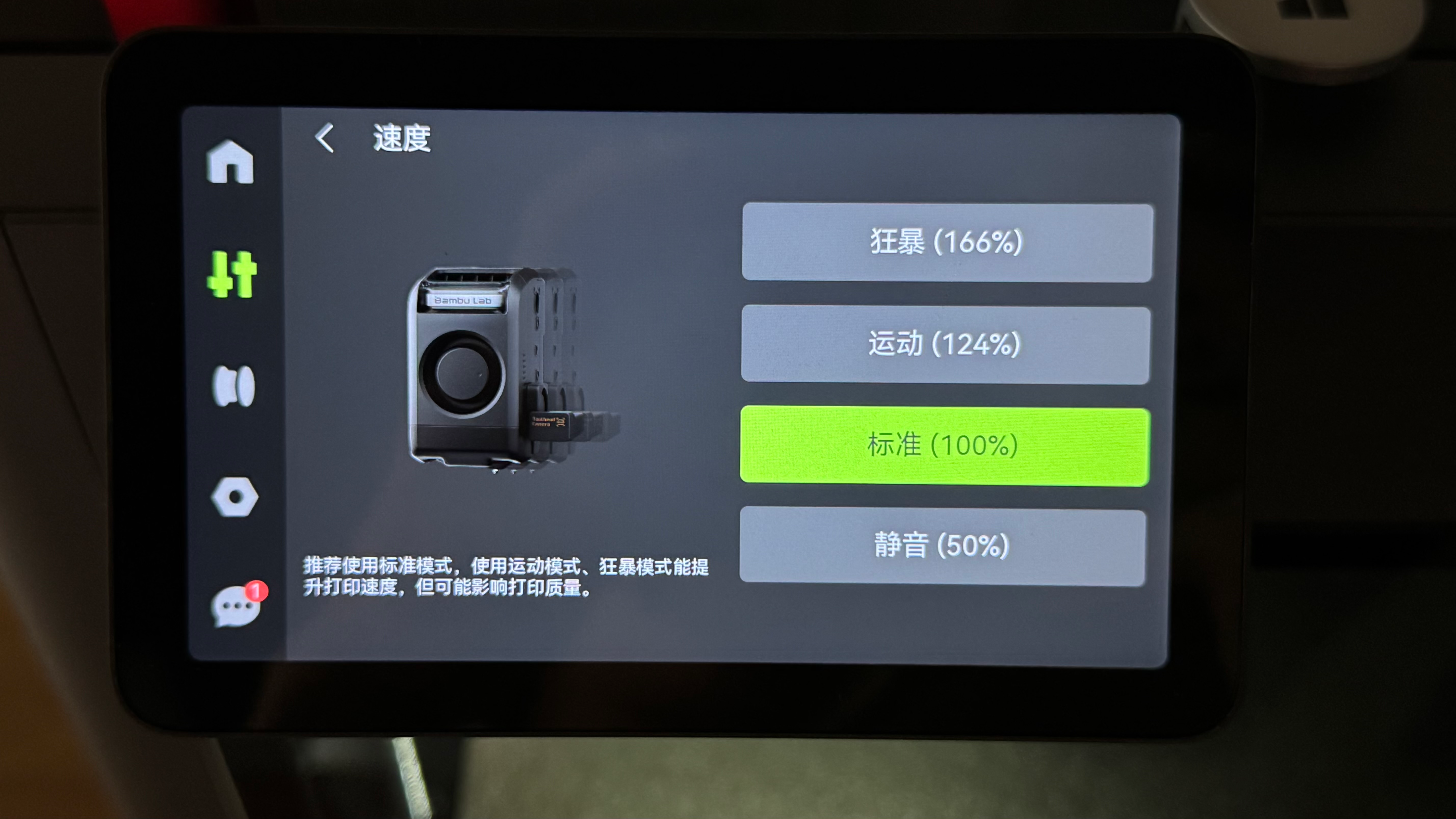
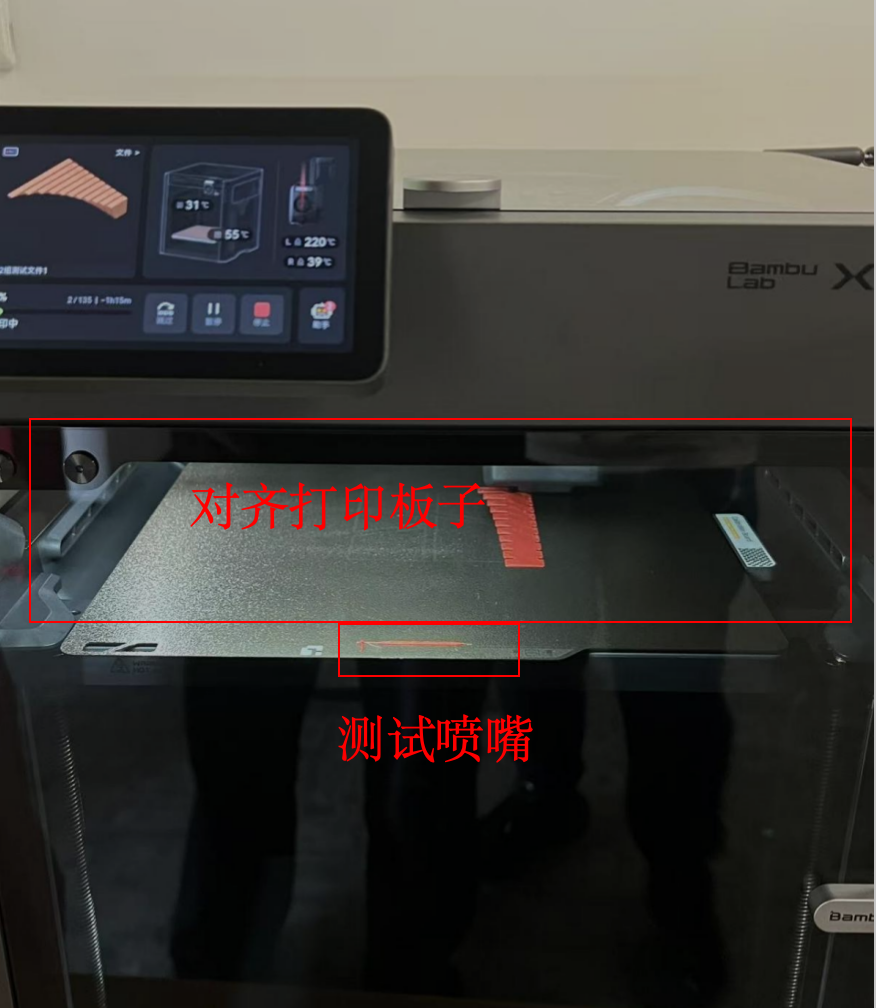
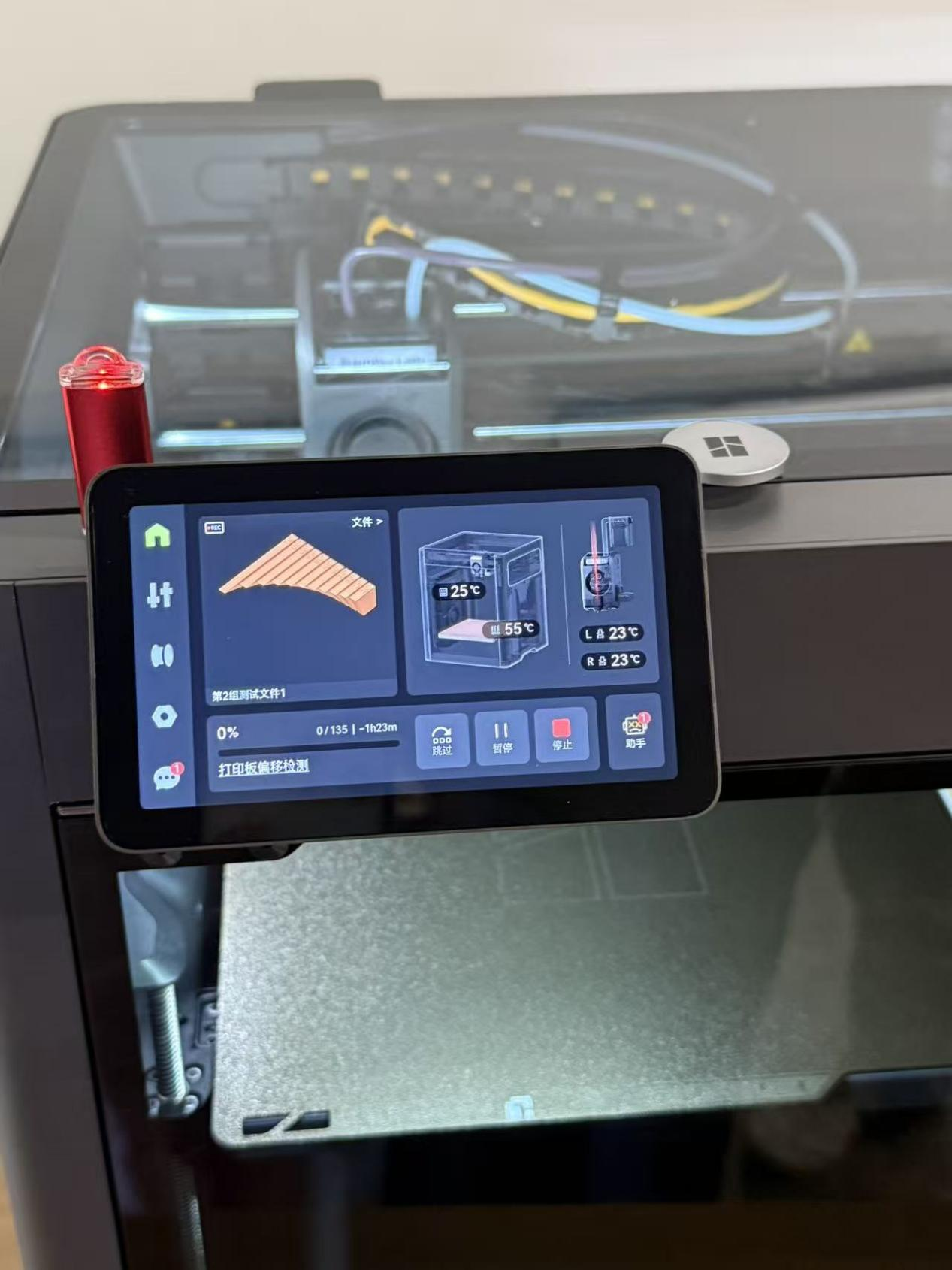
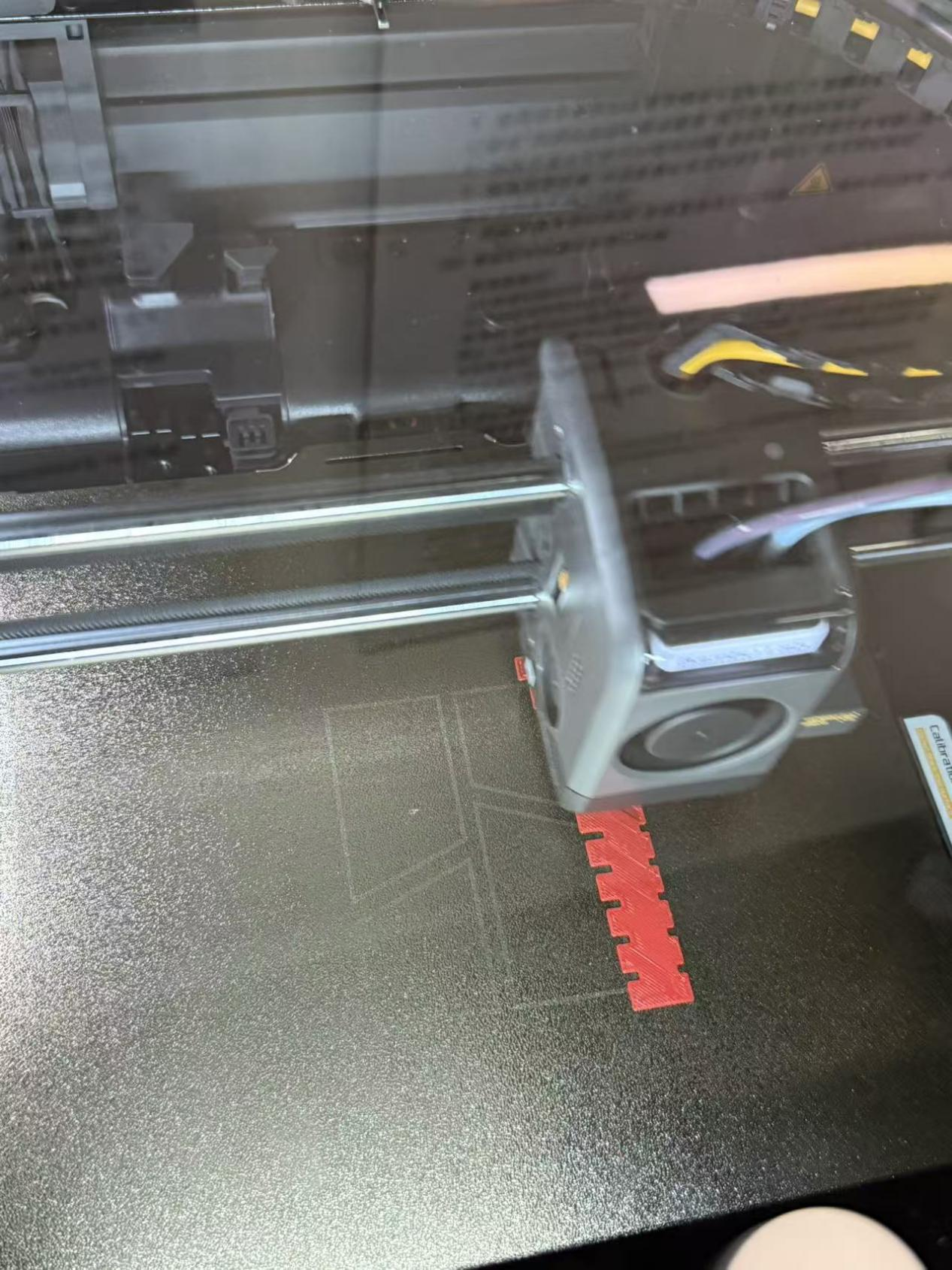
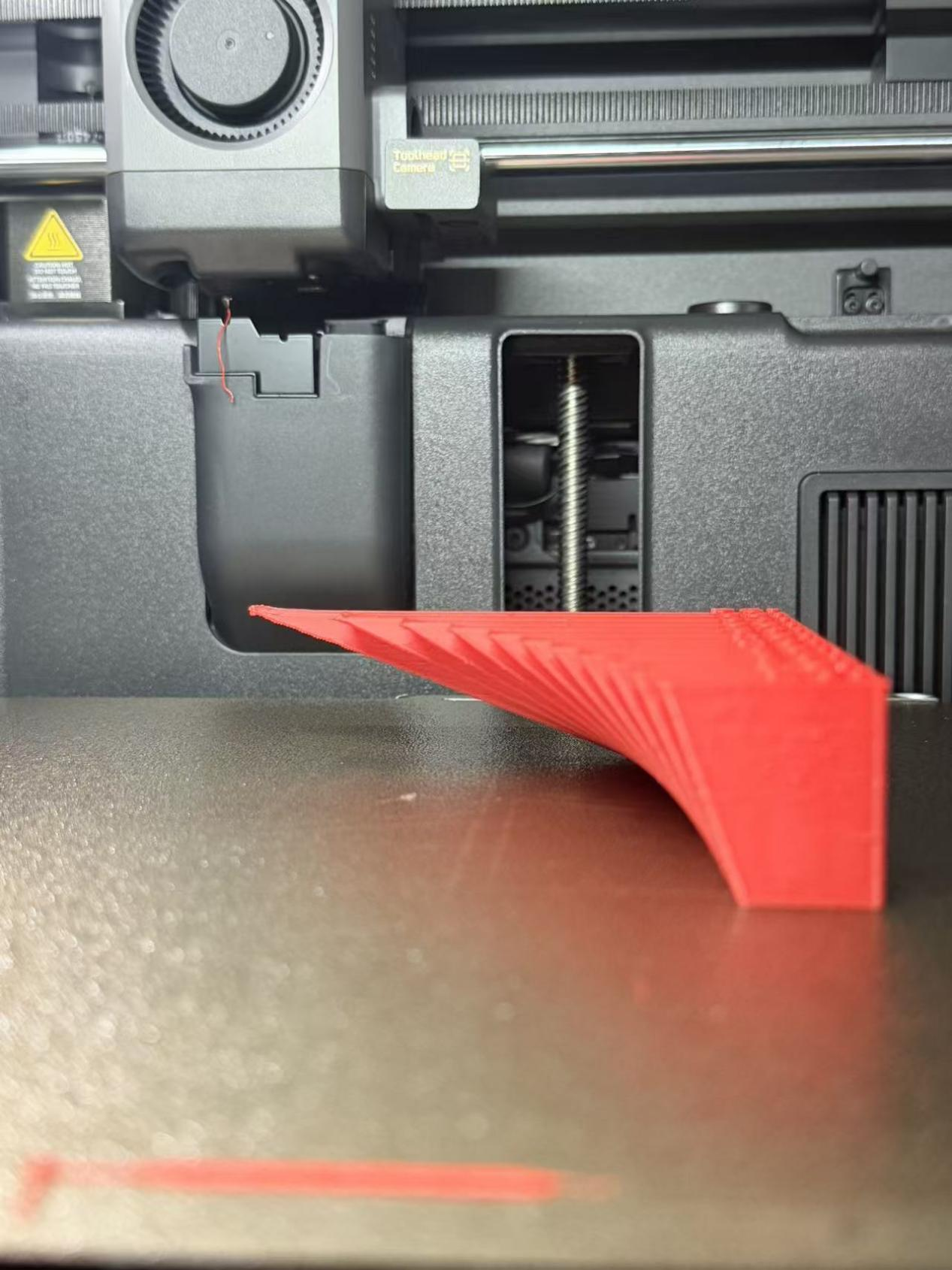
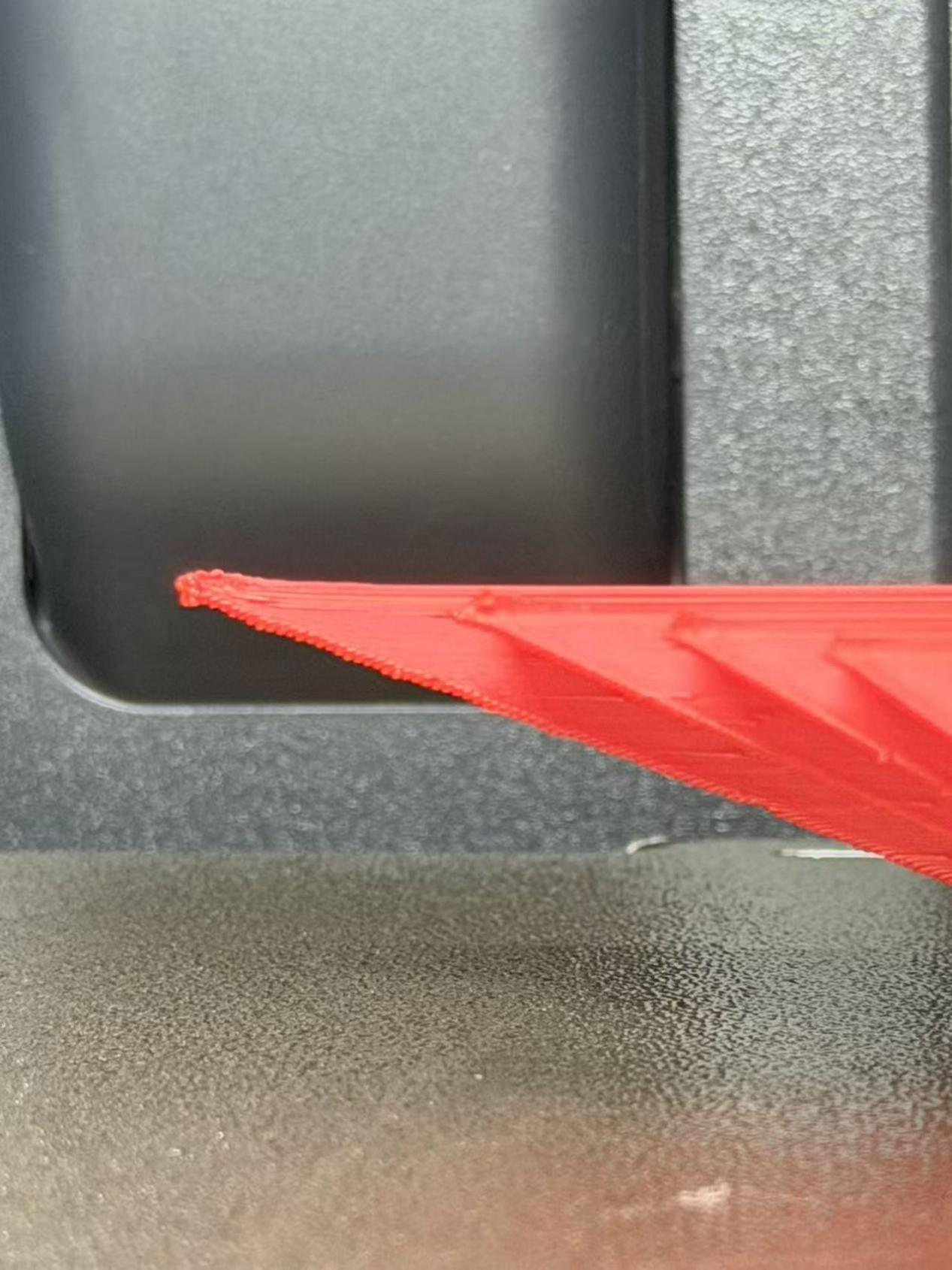
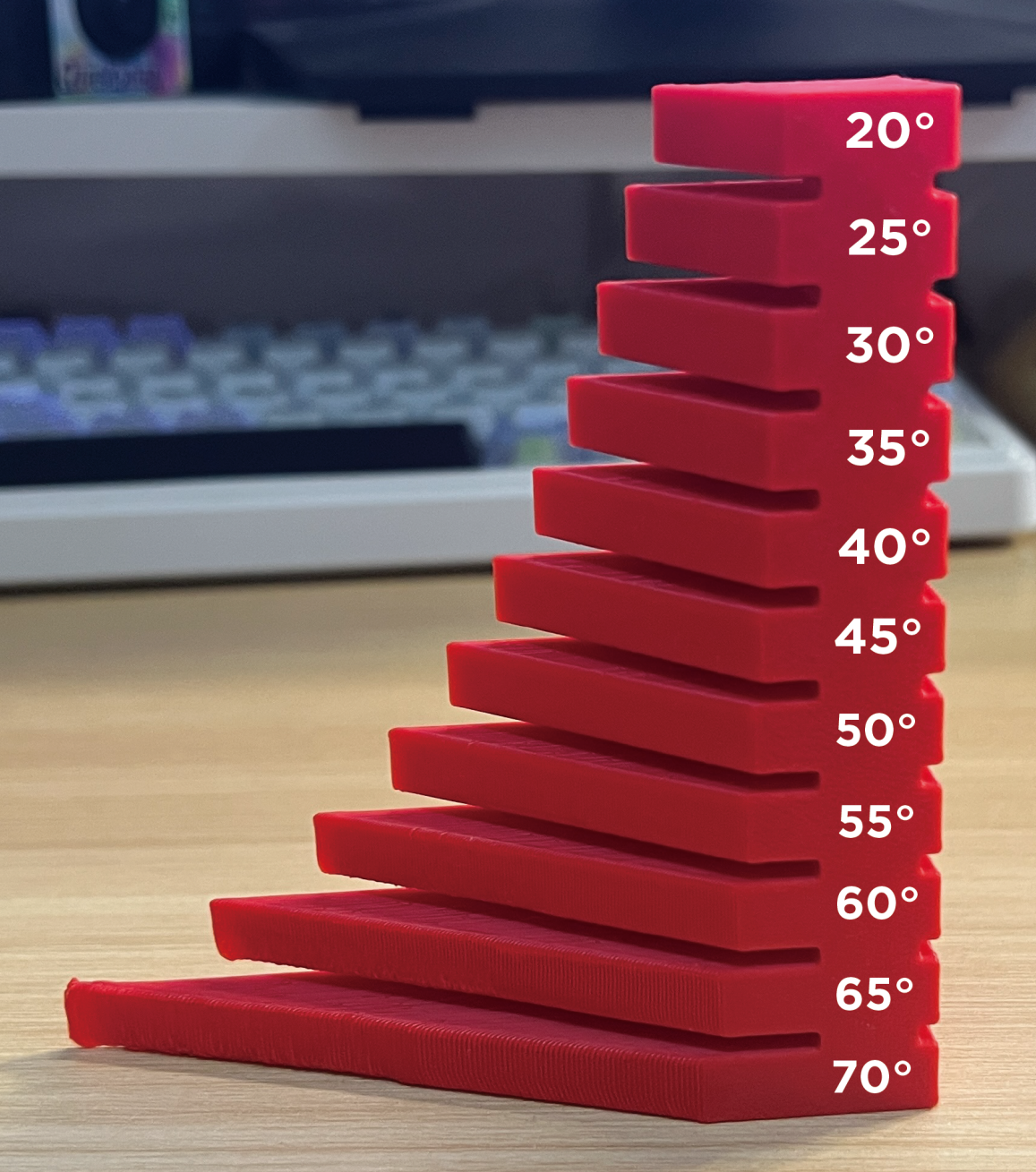
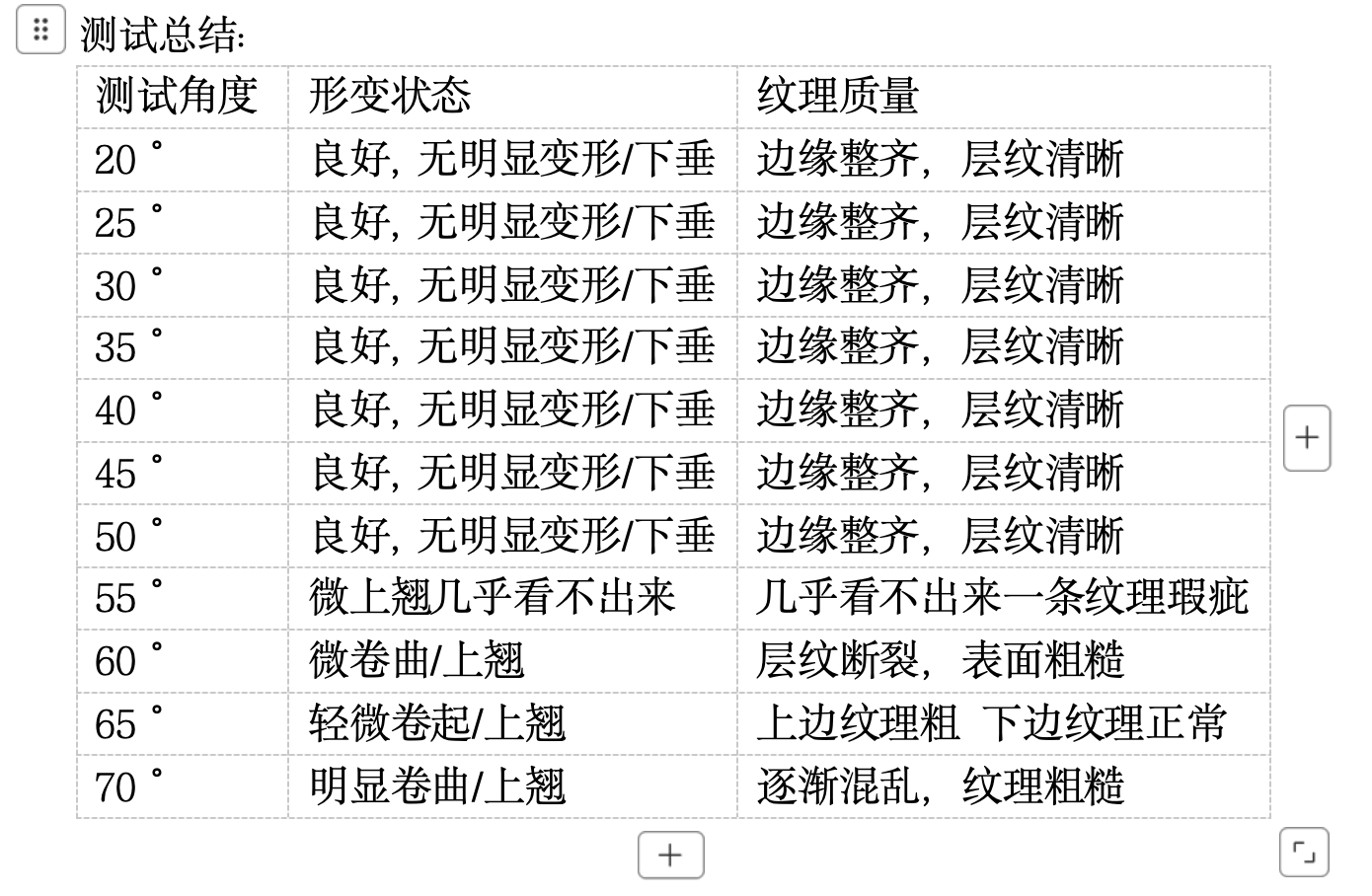
Test Conclusions: (All tested angles during the testing phase were acceptable)
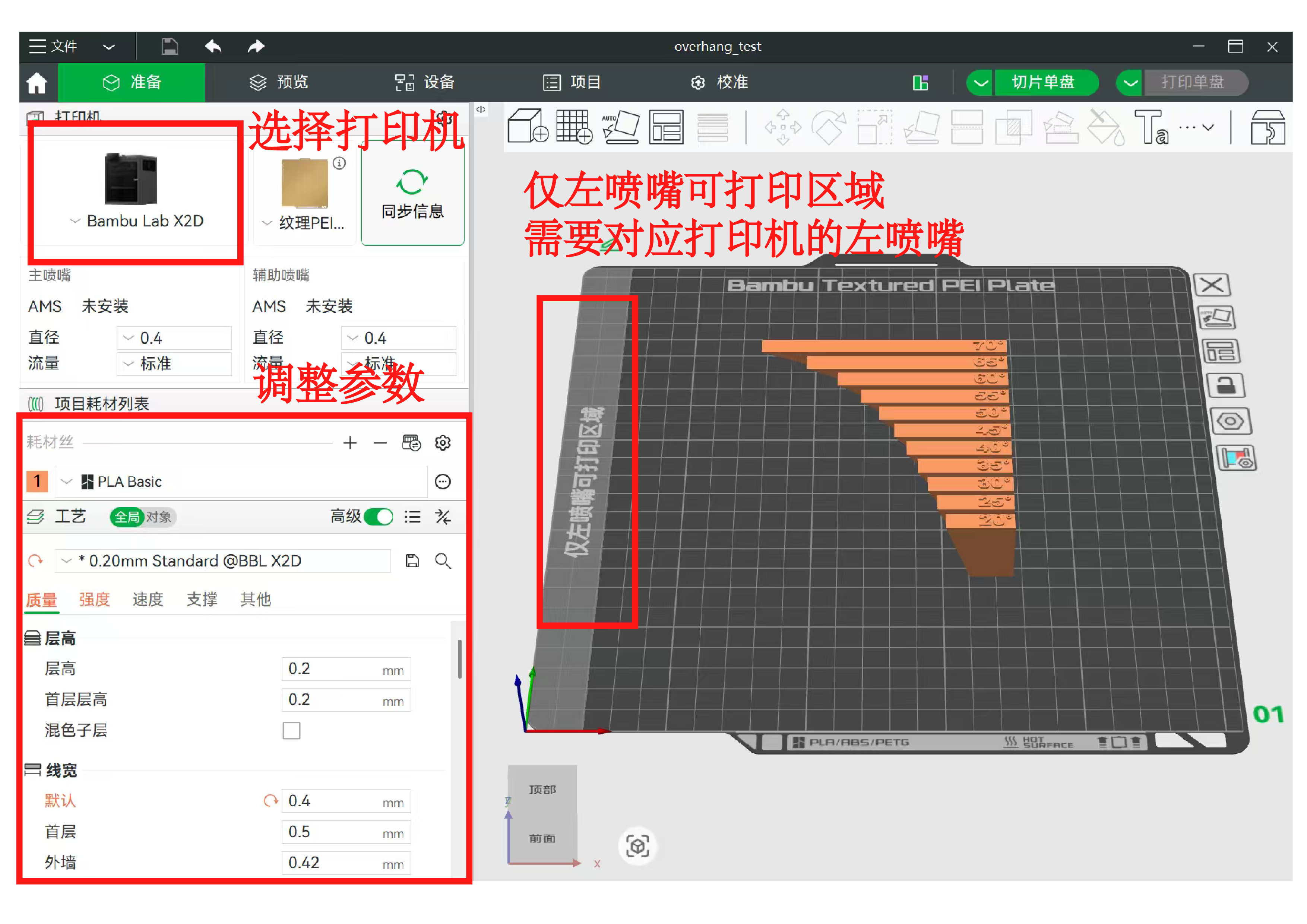
- In the test angle range of 20° to 50°, the material's deformation state and texture state performed well, with no obvious deformation, sagging, or curling. Edges were neat and layer lines were clear, indicating this angle range is a stable working zone.
- When the angle reached 55°, extremely slight deformation (slight warping) and texture defects began to appear, but the overall structure remained relatively intact.
- When the angle increased to 60° and above, deformation intensified significantly compared to before (curling, warping), and texture condition deteriorated (layer line breaks, rough surface, chaotic texture). Especially at 70°, there was明显 curling and rough texture compared to before, but the material did not exceed its tolerance limit and could still print normally.
Test Piece 2:
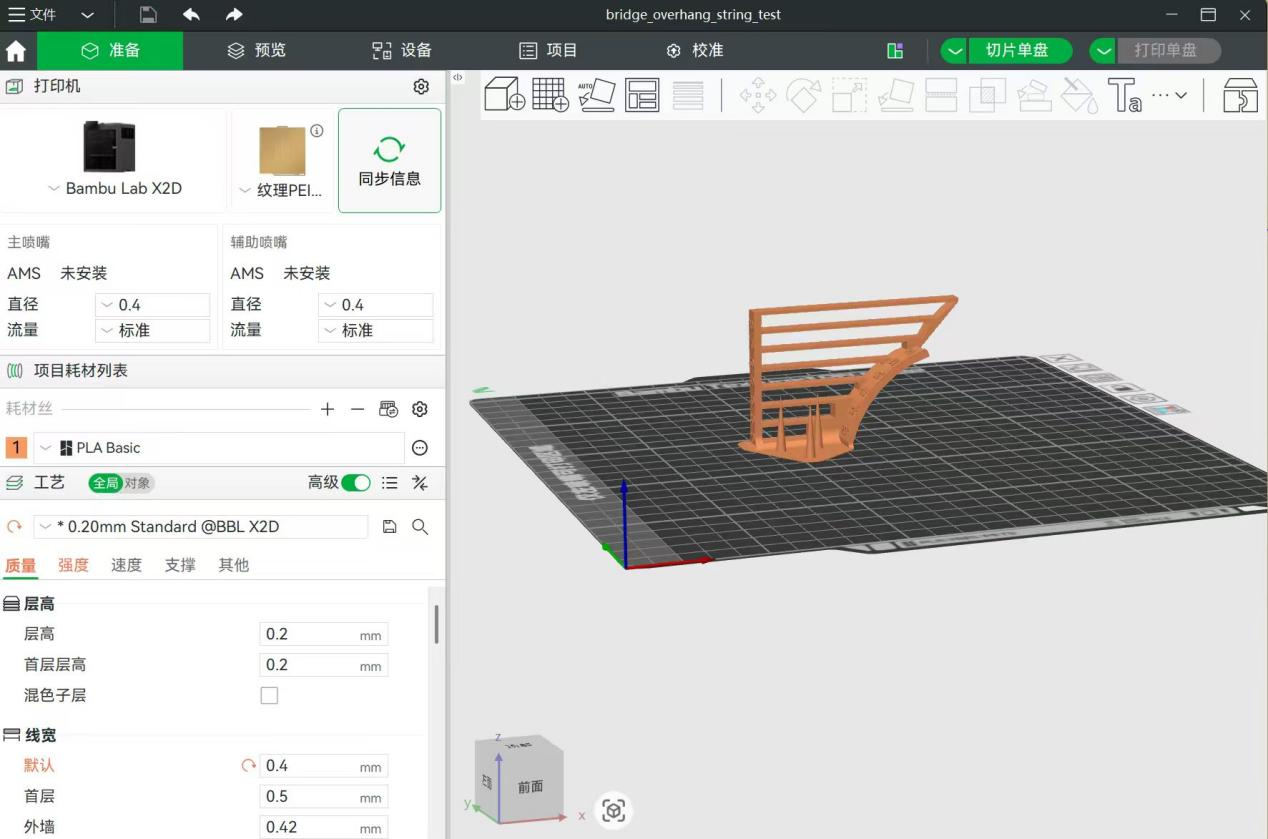
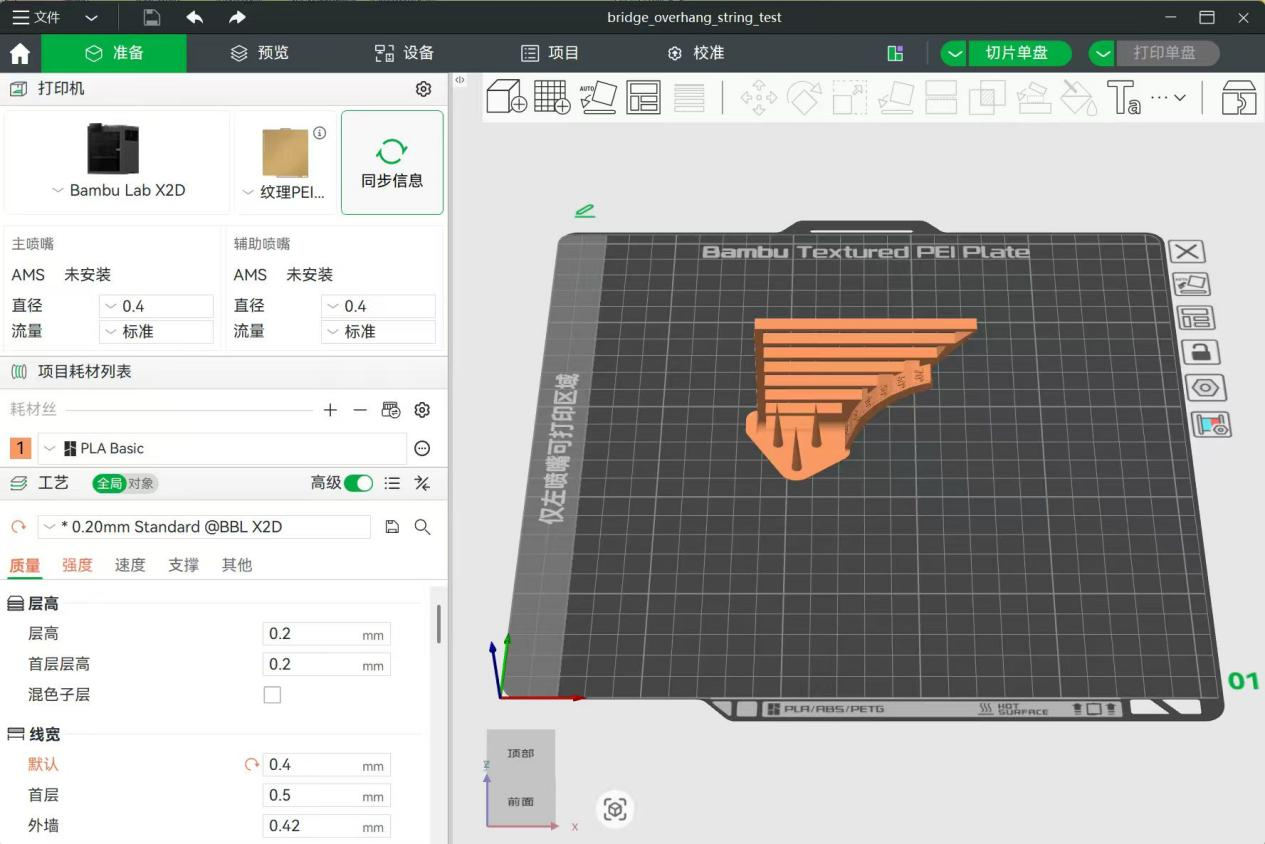
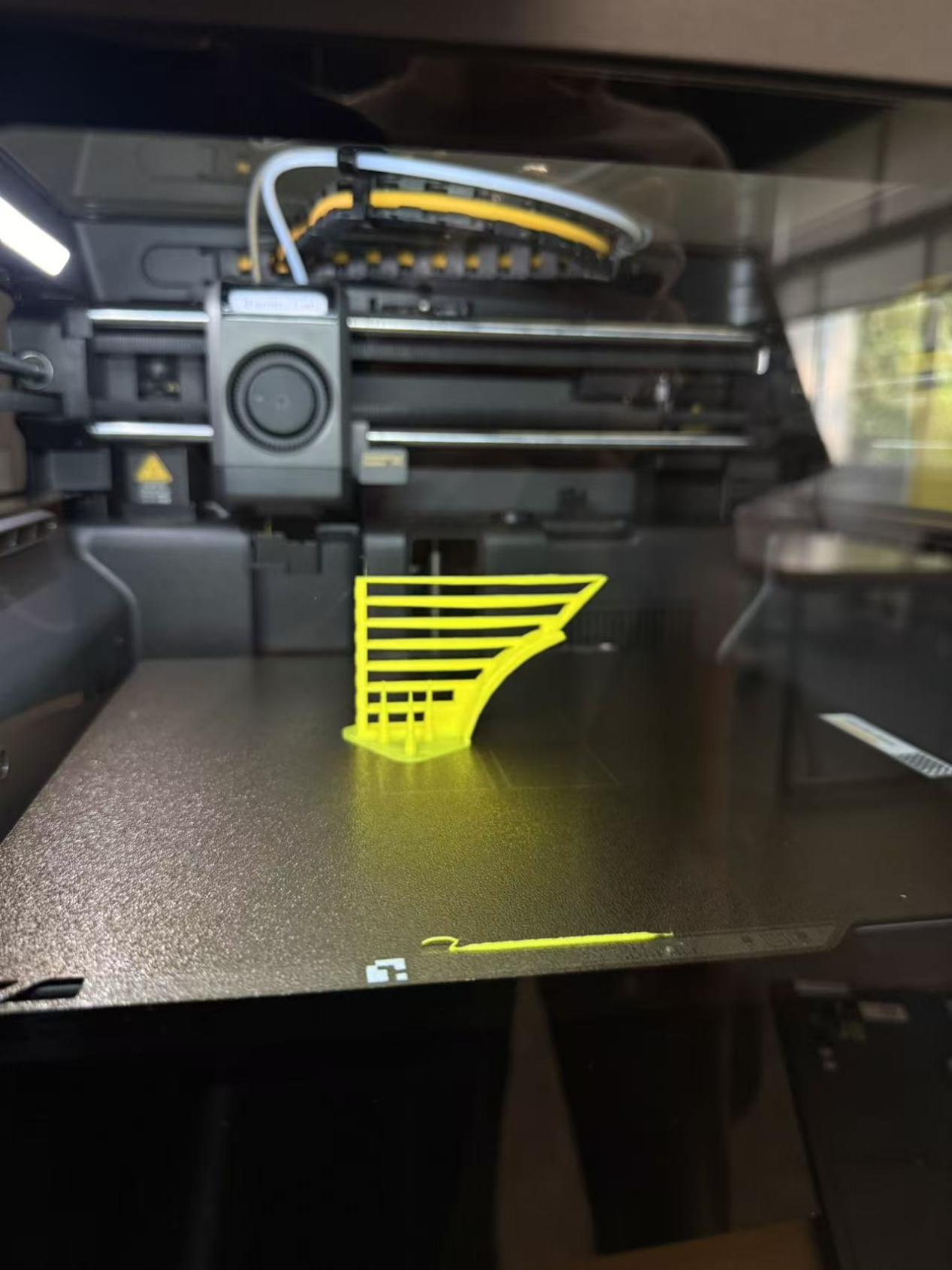
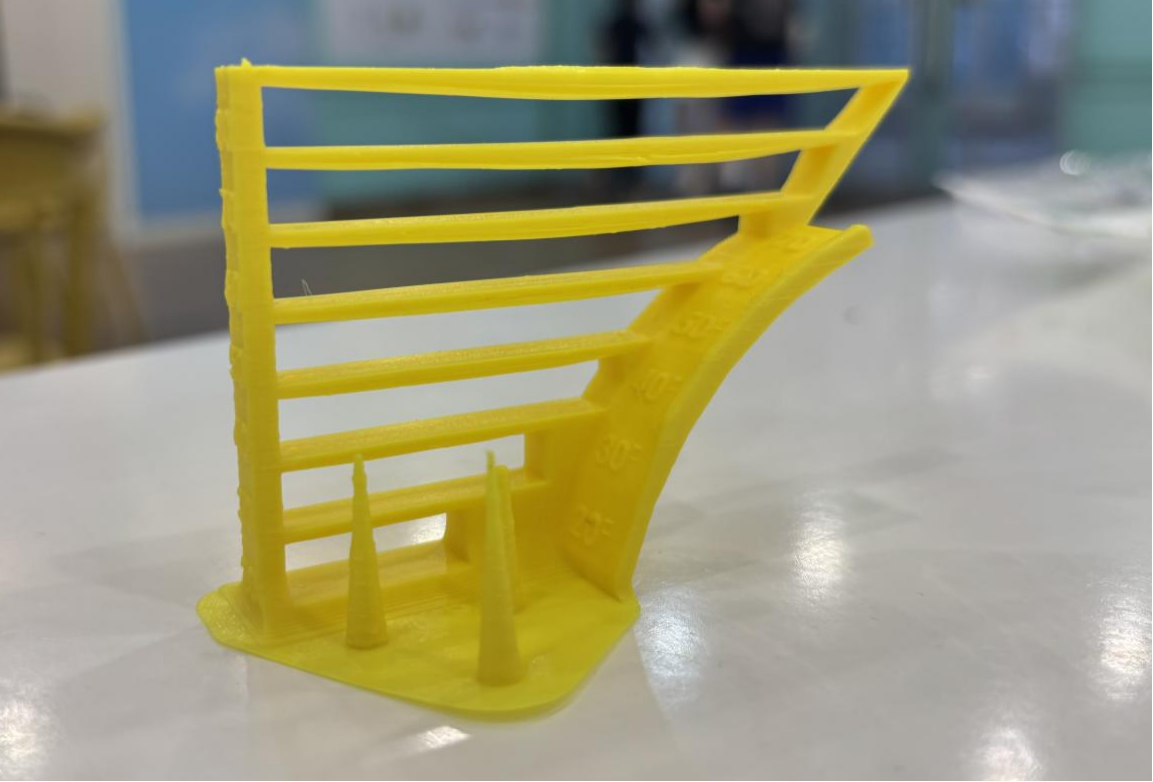
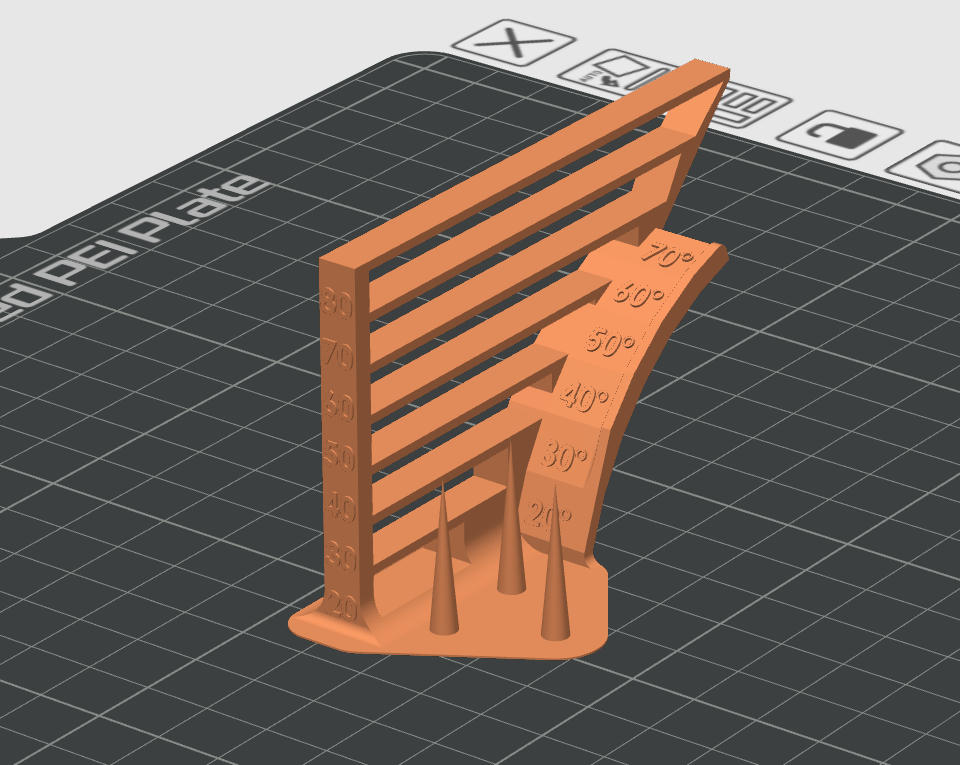
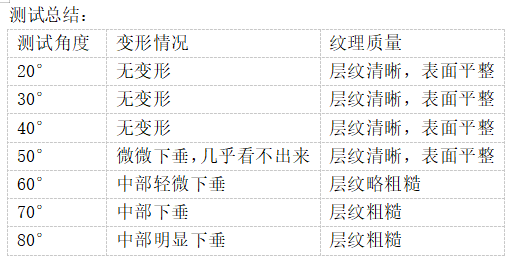
Conclusions:
- When overhang angles are in the range of 20° to 40°, the material shows no deformation and layer lines are clear and smooth, making it the optimal forming range;
- At 50°, extremely slight sagging appears (almost invisible), but texture remains good, which can serve as the critical upper usage limit;
- From 60°, middle sagging becomes obvious and texture begins to roughen. From 70° to 80°, sagging continues to worsen and texture deteriorates significantly.
- Therefore, to ensure printing or forming quality, it is recommended to control overhang angles within 40°. If minimal sagging is acceptable, you can try not exceeding 50°. Beyond 60°, additional supports should be added or the design adjusted.
III. 3D Printed Download File (Chair)
Basic Information:

Material: PLA basic
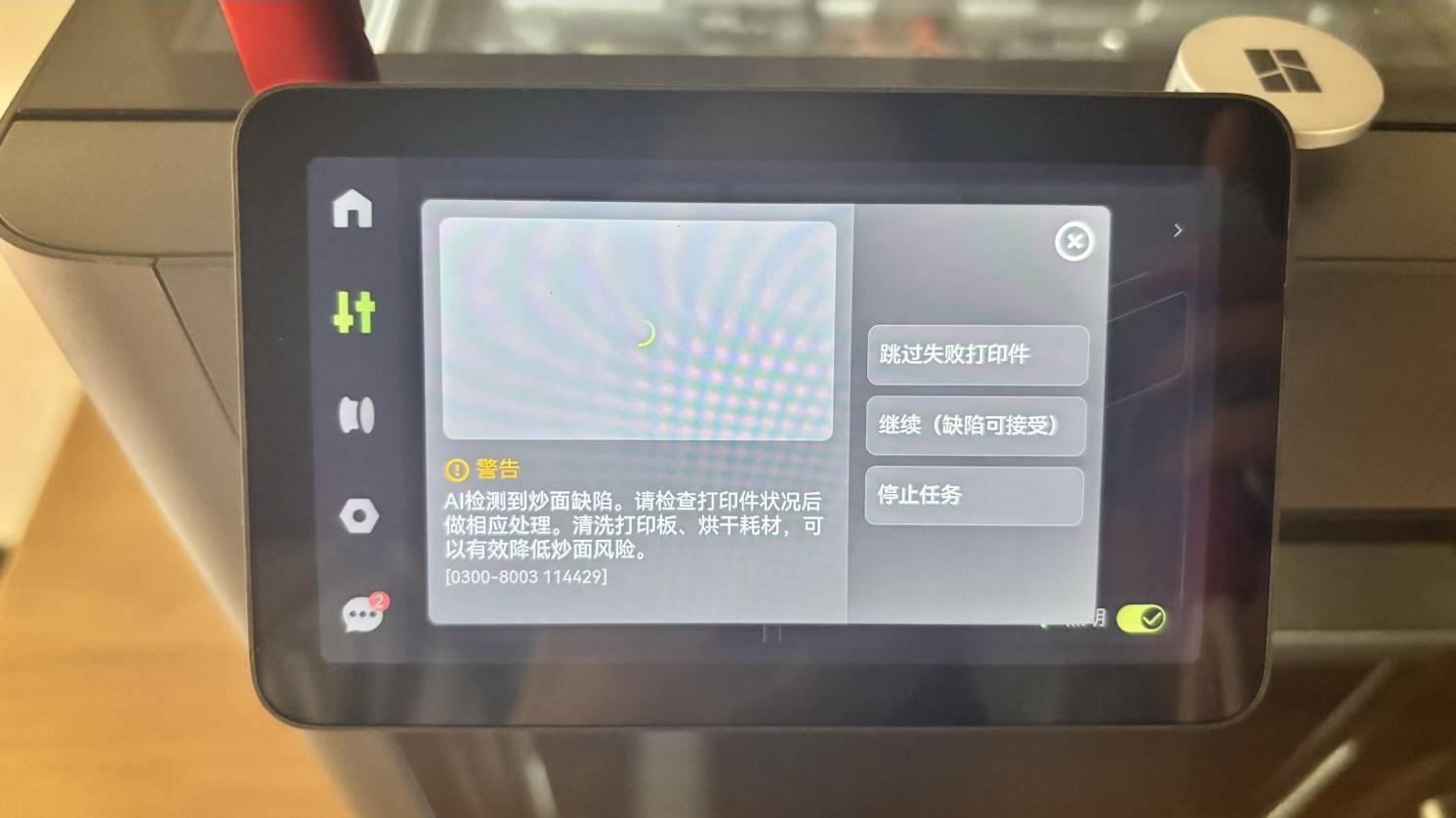
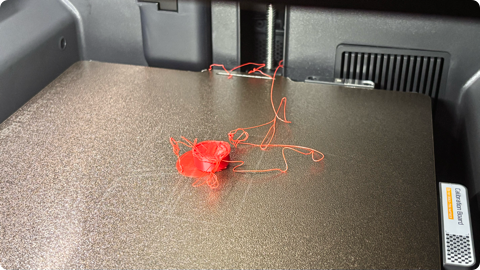
1. Initial Print File (Error Occurred)
Reason: No supports were added, there were floating areas
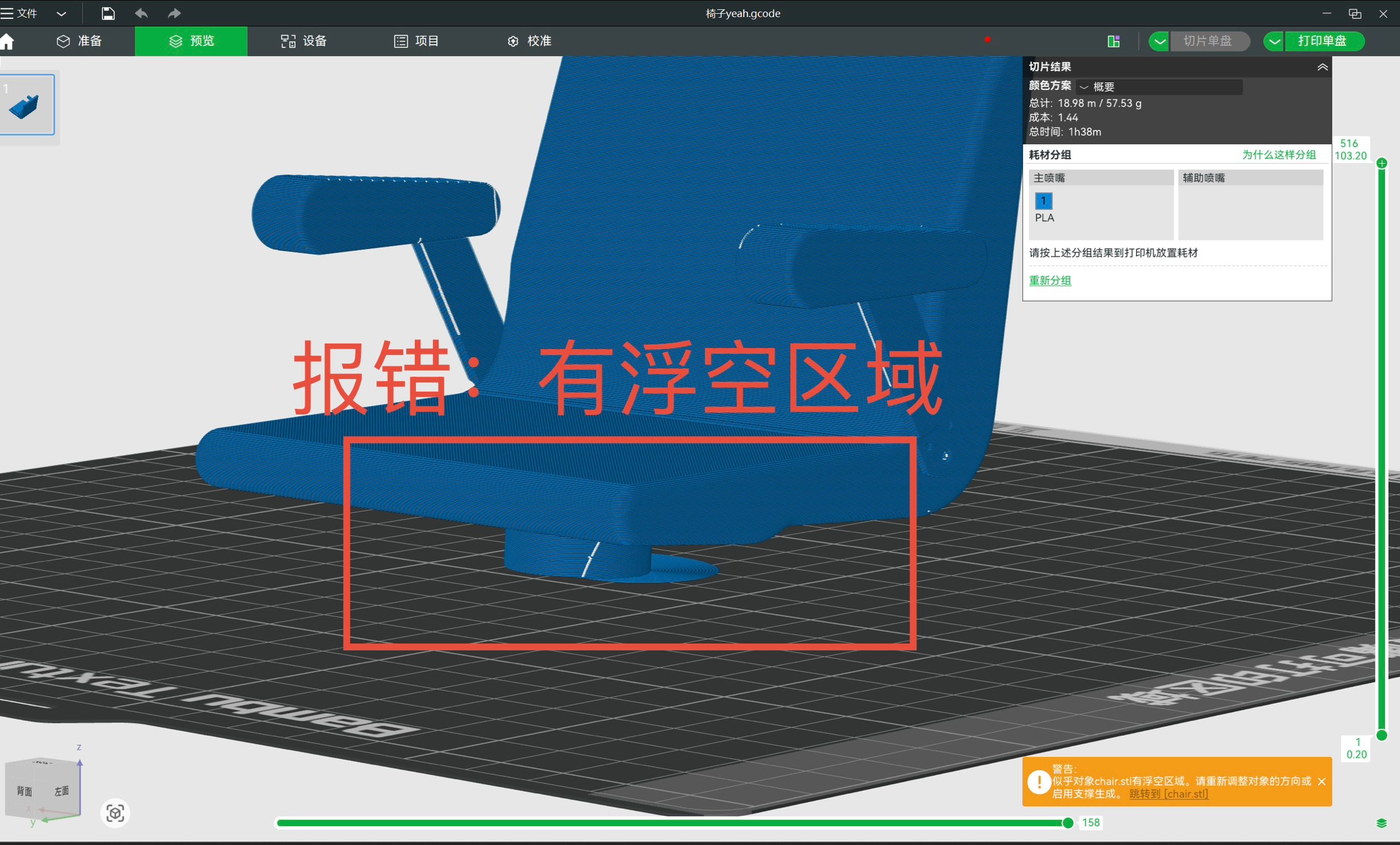
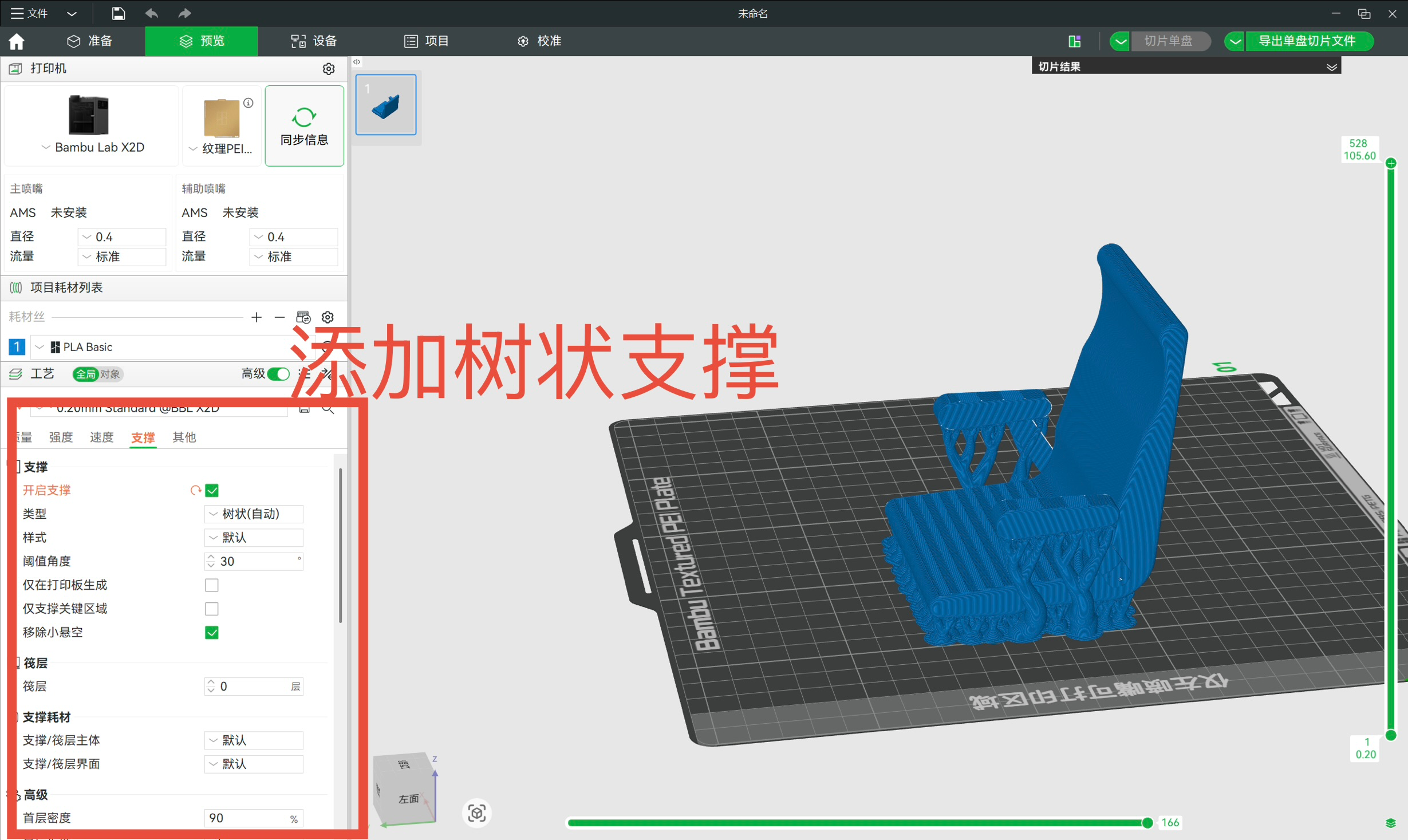
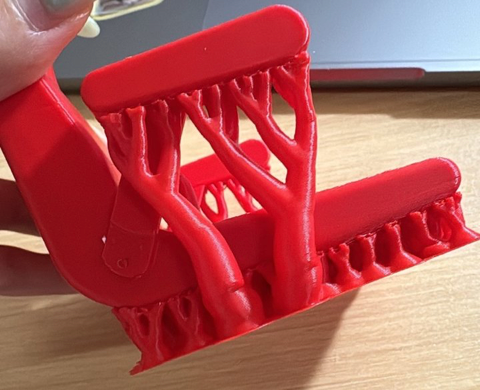
2. Readjustment (Added Tree Supports)
3. Printing
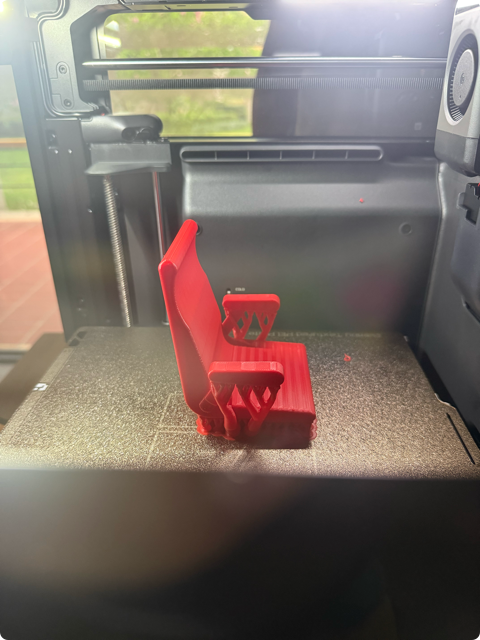
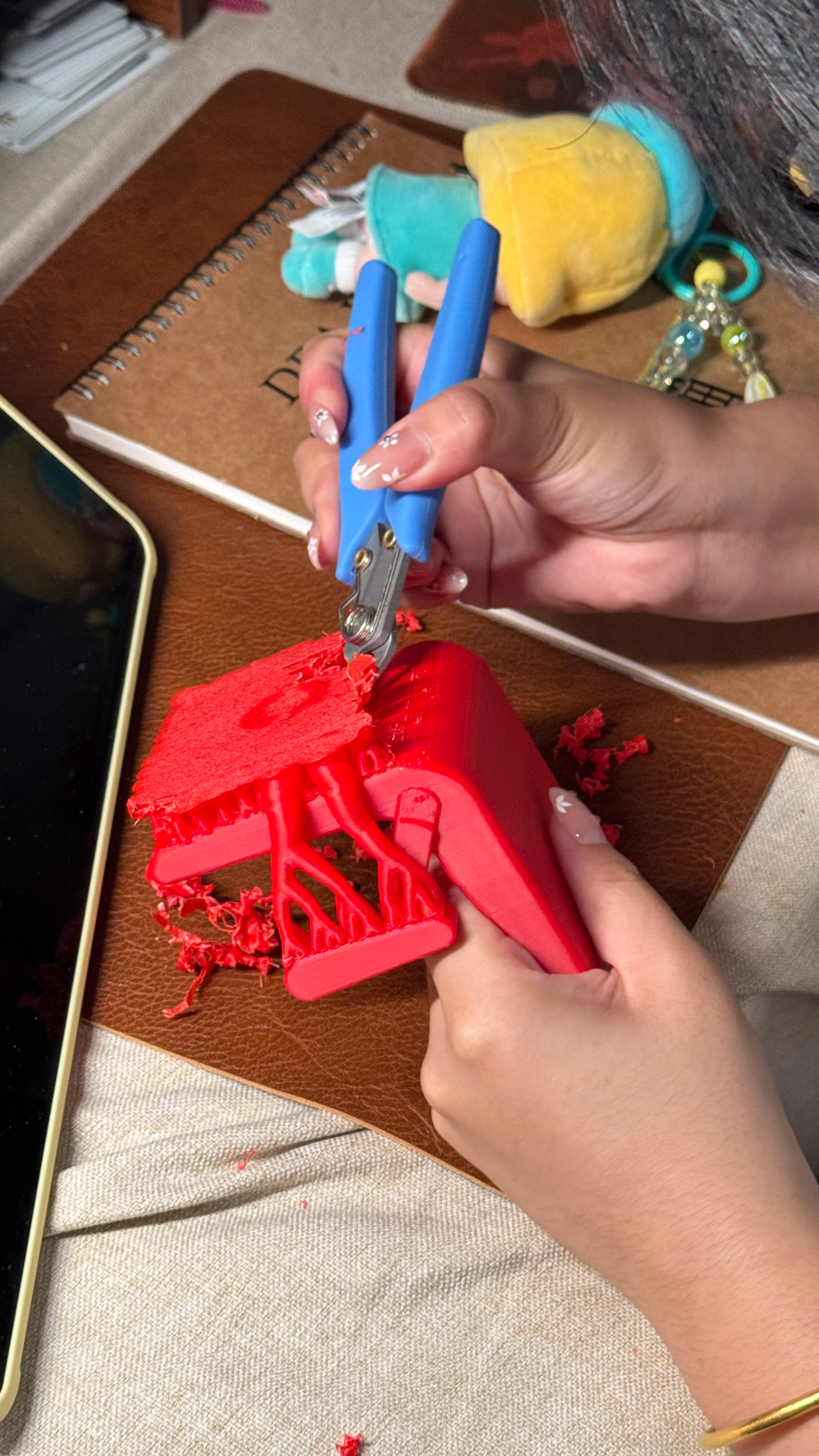
4. Remove Tree Supports
Tool: Wire cutters
Summary:
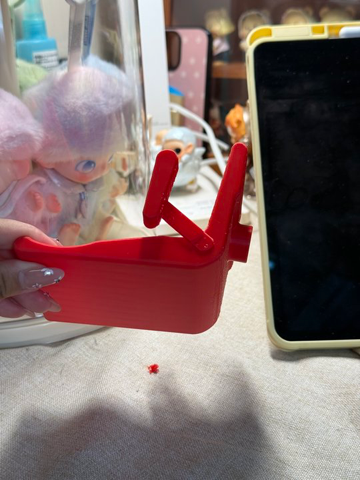
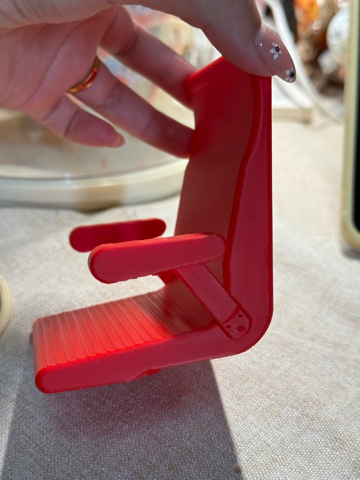
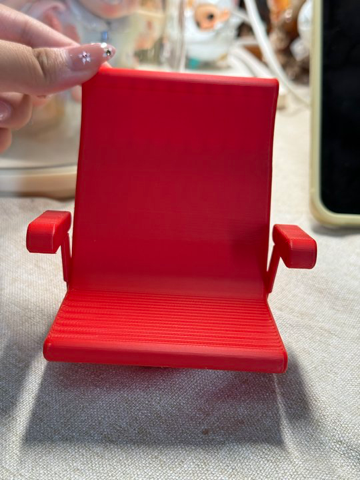
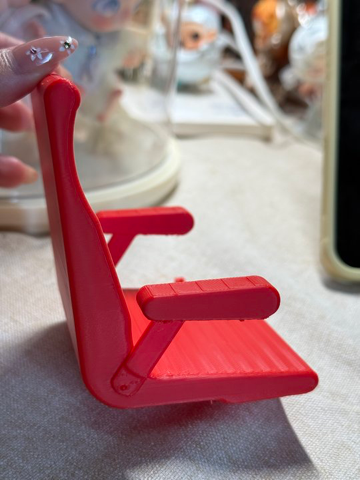
Our group's own parts were successfully 3D printed in the end.
Work Display:
IV. Personal 3D Printing Test
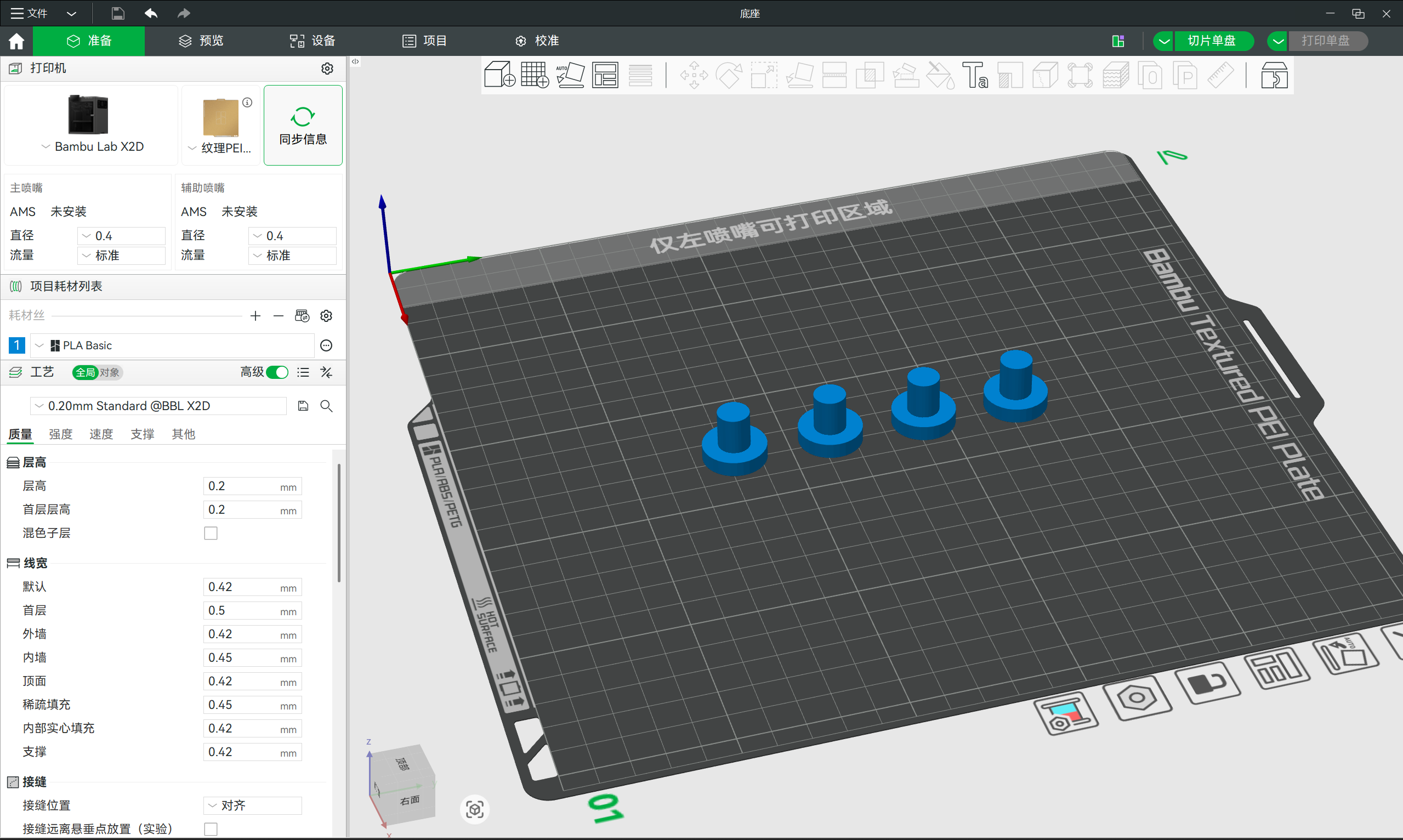
Final Product: